Obvious category clues
Pork, shellfish, meat and dairy combinations, gelatin, animal fats, casein, whey, and wine-derived ingredients can focus the first pass before certification is checked.
Kosher label review is not settled by the ingredient list alone, but the ingredient list still helps shoppers spot obvious conflicts and source-dependent terms. IngrediCheck helps you scan packaged foods against saved kosher shopping rules, flag dairy or pareve clues, gelatin, glycerin, flavors, enzymes, and emulsifiers, and decide when the hechsher or certifier database matters most.
Quick answer
A kosher ingredient checker can flag obvious meat, shellfish, gelatin, dairy, wine-derived, and source-dependent terms, but ingredients alone do not establish kosher status. IngrediCheck helps review the label against saved rules while the hechsher and recognized certifier remain authoritative for equipment, supervision, and production.
What It Catches
Workflow
Read the label
Pork, shellfish, meat and dairy combinations, gelatin, animal fats, casein, whey, and wine-derived ingredients can focus the first pass before certification is checked.
Glycerin, enzymes, flavors, mono- and diglycerides, stearates, emulsifiers, and processing aids may need certifier knowledge that the retail ingredient list does not provide.
Category status affects more than the visible ingredients because equipment and production runs matter. Check the current hechsher rather than inferring pareve or dairy status from marketing.
Decision boundary
IngrediCheck can flag declared label clues and apply the kosher preferences you saved. It cannot authenticate a symbol, inspect equipment, establish bishul or Passover status, or replace rabbinic and certifier guidance. Use the certifier's current database when kosher status controls the decision.
Detailed label guide
The ingredient list can identify obvious conflicts and focus the questions a shopper still needs to ask. Pork, shellfish, meat and dairy combinations, gelatin, animal fats, casein, whey, and wine-derived ingredients are useful first-pass clues. Source-dependent terms such as glycerin, enzymes, natural flavors, mono- and diglycerides, stearates, emulsifiers, and processing aids should remain needs-review results when the package does not disclose enough detail.
That is why a kosher scanner app should explain the match rather than declare a product certified. An apparently neutral ingredient panel cannot reveal every sub-ingredient, supplier source, production aid, or equipment history. Use the scan to rule out clear conflicts quickly and reserve certifier review for the products whose status cannot be settled from the label.
Certification belongs to a specific product and production context, not automatically to every item sold under a familiar brand. Check the current hechsher on the package and, when needed, the issuing certifier's product database. A scanner can point out why a product deserves confirmation, but it cannot authenticate the symbol, know whether the certifier is accepted by the household, or infer status from a brand name alone.
Use the same caution with imported, repackaged, or reformulated foods. A barcode record or earlier scan does not override the current declaration and mark. If the exact package lacks enough evidence, keep the result unresolved until the certifier or manufacturer provides the missing information rather than turning familiarity into approval.
Ordinary grocery wording does not always answer a kosher category question. Casein can be described as non-dairy in general marketing while still mattering as dairy for kosher review, and a product with no obvious milk term may carry a dairy designation because of sub-ingredients or production. Equipment and processing runs also matter, so the absence of a visible ingredient is not proof of pareve status.
Save the category rules the household follows and let the scan flag declared meat, dairy, wine, gelatin, and source-dependent clues. Then confirm the product's actual designation through the hechsher and certifier guidance. Keep Passover, bishul, shared-equipment, and other observance questions outside what a label-only result claims to settle.
Kosher practice can vary by certifier, rabbinic guidance, community, and household. One profile may flag every ambiguous flavor, another may rely on a particular certification list, and different family members may need separate dairy, meat, or allergen rules. Record those distinctions explicitly so the result explains which saved rule matched instead of presenting one universal standard.
Use that profile to compare similar soups, sweets, baked goods, sauces, or snacks. Review clear ingredient conflicts first, source-dependent terms second, and certification or equipment questions last. IngrediCheck can make that sequence faster and more repeatable, while the recognized certifier and guidance the household follows remain authoritative.
A barcode lookup is best treated as a shortcut to the current evidence, not a permanent product ruling. Use a label photo when the barcode is missing, the package is imported, or the formula appears to have changed. Recheck the hechsher and category marking each time the exact package matters. Restaurant, bakery, bulk-bin, and repackaged foods may not provide the same declaration or production controls as the retail item in the database, so keep those cases unresolved until the supervising certifier or business can answer the relevant questions.
Keep the scan explanation with the shopping decision so another household member can see whether the result came from a declared ingredient, a saved preference, or an unresolved certification question. That distinction prevents a needs-review item from being remembered later as either approved or prohibited without the evidence that produced it.
Related Scanner Paths
Check Foreign Food Labels Against Your Food Notes
Use IngrediCheck to photograph some foreign food labels, review available ingredient information, and check it against saved Food Notes while traveling.
Halal Ingredient Checker App
Review food labels for halal shopping rules, pork-derived ingredients, alcohol, gelatin, and source-dependent additives with IngrediCheck.
Pescatarian Ingredient Checker App
Scan pescatarian labels for meat, gelatin, lard, animal broth, fish-derived ingredients, and saved household rules with IngrediCheck.
Lecithin
Lecithin is a broad label term for phospholipid-rich emulsifiers used in chocolate, baked goods, dressings, infant foods, and supplements. The source can be soy, sunflower, egg, or less commonly animal tissue.
MSG
MSG is a flavor enhancer used in savory packaged foods such as soups, noodles, snacks, and seasoning systems. It matters because it remains legally accepted by mainstream regulators while still carrying unusually strong cultural baggage in clean-label and retailer discussions.
Calcium propionate
Calcium propionate is a mold-inhibiting preservative commonly used in bread, buns, tortillas, and other packaged baked goods. It matters because it sits at the center of a real shelf-life tradeoff between softer bread products and simpler ingredient decks.
Label Clues
emulsifier
Lecithin: what it does in food, current safety notes, diet compatibility, and shopper guidance from IngrediCheck.
additive
MSG: what it does in food, current safety notes, diet compatibility, and shopper guidance from IngrediCheck.
preservative
Calcium propionate: what it does in food, current safety notes, diet compatibility, and shopper guidance from IngrediCheck.
Related Guides

Jun 10, 2026 | 11 min read
Kosher dietary law covers far more than pork and shellfish. The milk-meat separation rules, insect checks in produce, wine and grape product requirements, and dozens of non-kosher additives make ingredient label reading essential for observant consumers.

Apr 21, 2026 | 8 min read
A practical guide to checking packaged foods against your own allergies, diets, and ingredient preferences, instead of relying on a generic food score.
May 28, 2026 | 12 min read
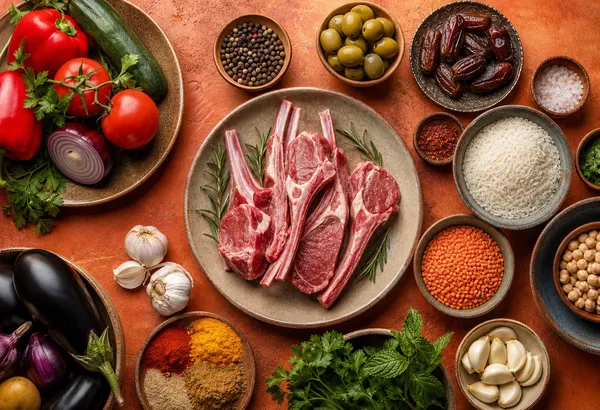
Halal Diet Guide to pork-derived E-numbers, gelatin, alcohol in flavours, certification marks, and the packaged-food label checks halal shoppers need.
Mar 19, 2026 | 10 min read
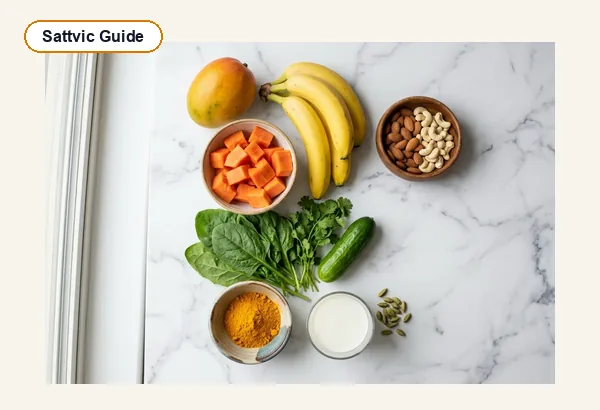
Sattvic Diet Guide to foods to eat, foods to avoid, onion and garlic rules, and hidden packaged-food ingredients that may not fit sattvic eating.
FAQ
No. Kosher certification depends on ingredient sourcing, processing aids, equipment, supervision, and certifier standards. IngrediCheck is a label-review tool, so shoppers should still rely on recognized kosher certifiers and the guidance they follow.
Gelatin, glycerin, natural flavors, enzymes, mono- and diglycerides, stearates, emulsifiers, casein, and wine-derived ingredients can require source-specific or certifier review.
A product can look neutral in ordinary grocery language while still raising dairy, pareve, meat, or equipment questions, so saved kosher rules help the scan surface the right label clues faster.
Scan labels, see what fits your food notes, and read the why in plain English.


