Alliums and strong flavors
Onion, garlic, shallot, leek, chive, asafoetida blends, spice mixes, yeast extract, and savory flavor bases can hide inside seasonings, sauces, snacks, and prepared meals.
Sattvic packaged-food shopping depends on the food rules a household actually follows. IngrediCheck helps you scan labels against saved sattvic rules, flag onion, garlic, strong flavor bases, preservatives, alcohol-based extracts, refined sugars, and additive-heavy ingredient lists, then decide what still needs personal or community guidance.
Quick answer
A sattvic ingredient checker can flag onion, garlic, alcohol-based extracts, strong flavor bases, refined sweeteners, and additive-heavy formulations according to the rule you save. It cannot define sattvic practice for every tradition, so teacher, household, temple, and community guidance still controls ambiguous cases.
What It Catches
Workflow
Read the label
Onion, garlic, shallot, leek, chive, asafoetida blends, spice mixes, yeast extract, and savory flavor bases can hide inside seasonings, sauces, snacks, and prepared meals.
Alcohol, wine, spirit vinegar, extracts, flavor carriers, fermentation, and processing methods may be treated differently across sattvic traditions and need more context than a word match.
Artificial colors, preservatives, refined sugars, stimulants, emulsifiers, and heavily processed formulations may belong in a saved rule without being labeled universally unacceptable.
Decision boundary
IngrediCheck can apply the sattvic rules your household saved and explain the terms it found. It cannot determine spiritual suitability, freshness, preparation intention, or compliance with a teacher's standard. Use community guidance for ambiguous sources, processes, and observance choices.
Detailed label guide
Whole foods are usually easier to place within a sattvic practice because their identity and preparation are visible. Packaged foods compress many decisions into one ingredient panel: allium powders inside seasoning, strong savory bases inside broth, refined sweeteners in flavored foods, alcohol used as an extract carrier, and preservatives or colors used for shelf life. The useful question is not whether a product receives a generic healthy score, but whether the label fits the specific rules the household follows.
Write those rules in plain language and separate firm avoid rules from items that only need review. Examples include avoiding onion, garlic, and allium powders; flagging vanilla or other alcohol-based extracts; reviewing vinegar, fermentation, mushrooms, yeast extract, and flavor blends; and preferring shorter ingredient lists. That structure keeps the scan consistent without presenting one lineage or teacher's interpretation as universal.
Direct onion, garlic, shallot, leek, and chive terms are the easy matches. Powders, broth bases, spice blends, seasoning packets, sauces, gravies, savory snacks, and prepared meals create more friction because an allium can be one part of a longer flavor system. Generic terms such as spices or natural flavors may leave the source unresolved, so the honest result is needs review rather than a claim that the product is definitely suitable.
The same approach applies to processed-food clues. Artificial colors, synthetic preservatives, refined sugar, glucose or corn syrups, emulsifiers, stabilizers, yeast extract, and intense flavor systems may matter to a household even when none is universally prohibited. Show the exact match, the saved rule it triggered, and the surrounding label context so the shopper can distinguish a clear conflict from a preference for simpler food.
Extracts and flavor carriers can create a question even when alcohol is not prominent on the front label. Wine, spirit vinegar, fermented ingredients, vanilla extract, and other flavor extracts may be treated differently across traditions or by the way the finished food is prepared. A word match can surface the issue, but it cannot determine whether a particular source, amount, or process fits the guidance a shopper follows.
Freshness and preparation also sit beyond the ingredient panel. A package cannot tell the scanner the intention of the cook, how long a food has been held, whether reheating matters to a particular practice, or whether a temple or teacher accepts a specific process. Use the scan to remove obvious conflicts and reserve human attention for these questions instead of turning uncertainty into a false approval.
Product comparison is often more useful than asking for one absolute verdict. Scan two broths, sauces, snack mixes, or flavored dairy products with the same household profile and compare the reasons shown. One may contain direct allium powder, another may use an unresolved flavor blend, and a third may avoid both but rely on preservatives or refined sweeteners the household prefers to limit.
That workflow reduces repeated memorization while preserving the final judgment. Recheck the current package when a formula changes, open the broader guide when the philosophy or food list is the real question, and use community or teacher guidance for decisions the label cannot settle. IngrediCheck supports that process; it does not certify spiritual suitability.
A barcode lookup and an ingredient-panel photo solve different parts of the workflow. A known barcode can speed up a repeat purchase, while a current label photo is useful when the product is new, imported, repackaged, or reformulated. In both cases the ingredient declaration is only one layer of sattvic practice. A scan can identify alliums, extracts, sweeteners, colors, preservatives, and flavor systems, but it cannot judge freshness, storage, reheating, the cook's intention, or the effect a food has on a particular person. Treat a clear match as a prompt to apply the saved rule and an ambiguous match as a reason to pause, not as permission to invent a universal answer.
This is also why a broad nutrition grade cannot substitute for the saved rule. Protein, fiber, calories, and sugar totals may be useful for other goals, yet they do not answer whether garlic powder, an alcohol-carried extract, or a strong flavor base fits a sattvic practice. Keep those questions separate so a favorable generic score does not override the ingredient and preparation guidance the household chose.
Related Scanner Paths
Check Foreign Food Labels Against Your Food Notes
Use IngrediCheck to photograph some foreign food labels, review available ingredient information, and check it against saved Food Notes while traveling.
Halal Ingredient Checker App
Review food labels for halal shopping rules, pork-derived ingredients, alcohol, gelatin, and source-dependent additives with IngrediCheck.
Kosher Ingredient Checker App
Review labels for kosher shopping rules, dairy or pareve clues, glycerin, gelatin, flavors, and certification signals with IngrediCheck.
MSG
MSG is a flavor enhancer used in savory packaged foods such as soups, noodles, snacks, and seasoning systems. It matters because it remains legally accepted by mainstream regulators while still carrying unusually strong cultural baggage in clean-label and retailer discussions.
Sodium benzoate
E211 preservative, preservative 211, and INS 211 all mean sodium benzoate. It appears most often in acidic beverages, sauces, condiments, and shelf-stable products, where it helps keep bacteria, yeasts, and moulds from growing.
Calcium propionate
Calcium propionate is a mold-inhibiting preservative commonly used in bread, buns, tortillas, and other packaged baked goods. It matters because it sits at the center of a real shelf-life tradeoff between softer bread products and simpler ingredient decks.
BHA
BHA is a synthetic antioxidant preservative added to fats and oils in frozen meals, breakfast cereals, cookies, candy, ice cream, meat products, and other packaged foods. It is useful for shelf life, but it also carries one of the most persistent reputational and toxicology debates in the food supply.
Label Clues
additive
MSG: what it does in food, current safety notes, diet compatibility, and shopper guidance from IngrediCheck.
preservative
Preservative 211, INS 211, and E211 all mean sodium benzoate. Check uses, benzene risk with vitamin C, Europe status, and label names.
preservative
Calcium propionate: what it does in food, current safety notes, diet compatibility, and shopper guidance from IngrediCheck.
preservative
BHA preservative: where it appears, why FDA review and cancer concerns keep it controversial, and how to compare snack labels.
Related Guides
Mar 19, 2026 | 10 min read
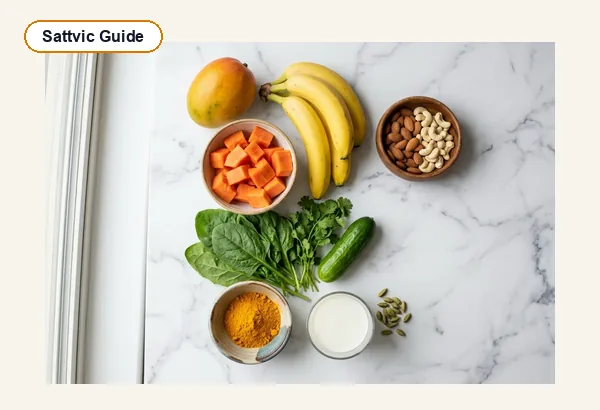
Sattvic Diet Guide to foods to eat, foods to avoid, onion and garlic rules, and hidden packaged-food ingredients that may not fit sattvic eating.

Apr 21, 2026 | 8 min read
A practical guide to checking packaged foods against your own allergies, diets, and ingredient preferences, instead of relying on a generic food score.

Apr 22, 2026 | 9 min read
Gelatin, rennet, enzymes, and other source-dependent ingredients can fit one diet but not another. Use this decision guide to interpret the label and know when the package cannot settle the question.
Jun 11, 2026 | 11 min read
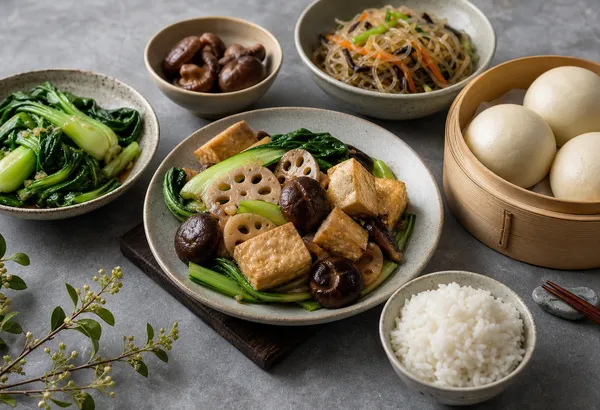
Buddhist dietary rules vary significantly by tradition. Many traditions prohibit meat, fish, and eggs. Most East Asian Buddhist traditions also prohibit the five pungent vegetables: garlic, onion, leek, chive, and shallot: which appear as powders and extracts in nearly all savory packaged foods.
FAQ
No. Sattvic practice varies by tradition, teacher, household, and product context. IngrediCheck helps review labels faster, but shoppers should still follow the guidance, certifiers, or community standards they trust.
Onion powder, garlic powder, spice blends, natural flavors, yeast extract, alcohol-based extracts, preservatives, artificial colors, and refined sweeteners can be easy to miss in packaged foods.
No. Vegetarian checks usually focus on animal-derived ingredients, while sattvic checks often include alliums, alcohol, refined ingredients, strong flavors, and household-specific processing rules.
Scan labels, see what fits your food notes, and read the why in plain English.