Sodium benzoate
Preservative 211, INS 211, and E211 all mean sodium benzoate. Check uses, benzene risk with vitamin C, Europe status, and label names.
Aliases and label clues
Overview
E211 preservative, preservative 211, and INS 211 all mean sodium benzoate. It appears most often in acidic beverages, sauces, condiments, and shelf-stable products, where it helps keep bacteria, yeasts, and moulds from growing.
Diet snapshot
What It Does in Food
Sodium benzoate is most commonly used as preservative and antimicrobial in packaged food.
Category
Preservative
Evidence and Regulatory Summary
FDA regulation allows sodium benzoate as a preservative up to 0.1% by weight, and EU systems identify the same additive as E211. EFSA has reviewed the child-behaviour evidence around food colors plus sodium benzoate without setting a new benzoate ADI from that study alone, while FDA still flags benzene formation as a formulation issue in some beverages that combine benzoate preservatives with vitamin C.
Diet Notes
Sodium benzoate matters most if you are trying to reduce heavily preserved drinks and sauces rather than follow one strict identity diet. People with dye or additive sensitivity concerns often track it as part of a broader packaged-food pattern.
Shopper Guidance
If a label says E211, preservative 211, or INS 211, treat it as sodium benzoate. Review it alongside benzoic acid, potassium benzoate, vitamin C, ascorbic acid, acidic drink categories, and synthetic colors instead of judging the preservative as an isolated word.
Next Label Check
Use Sodium benzoate in the scanner and topic paths around it
Scanner workflows
Low-Histamine Ingredient Checker App
Flag fermented, aged, cured, preserved, and personally avoided ingredient patterns with IngrediCheck's low-histamine scanner.
Nightshade-Free Ingredient Checker App
Scan nightshade-free labels for tomato, paprika, chili pepper, potato starch, spice blends, and saved household rules with IngrediCheck.
Sattvic Ingredient Checker App
Scan labels for sattvic food rules, onion, garlic, preservatives, alcohol-based extracts, refined sugars, and additives with IngrediCheck.
Related topic hubs
Related ingredient profiles
Calcium propionate
Calcium propionate is a mold-inhibiting preservative commonly used in bread, buns, tortillas, and other packaged baked goods. It matters because it sits at the center of a real shelf-life tradeoff between softer bread products and simpler ingredient decks.
BHA
BHA is a synthetic antioxidant preservative added to fats and oils in frozen meals, breakfast cereals, cookies, candy, ice cream, meat products, and other packaged foods. It is useful for shelf life, but it also carries one of the most persistent reputational and toxicology debates in the food supply.
BHT
BHT is a synthetic antioxidant preservative used to protect fats and oils from oxidation in cereals, snacks, gum, and other shelf-stable foods. It matters because it often appears in the same product ecosystem as BHA and has become part of the wider re-evaluation of older synthetic preservatives.
Propylparaben
Propylparaben is a preservative used to slow spoilage in certain processed foods, especially where fat and moisture make shelf life fragile. It draws attention because the United States and Europe have treated the ingredient very differently.
Related Guides
Read the connected explainers
Ingredient Deep Dives
Apr 7, 2026 | 9 min read
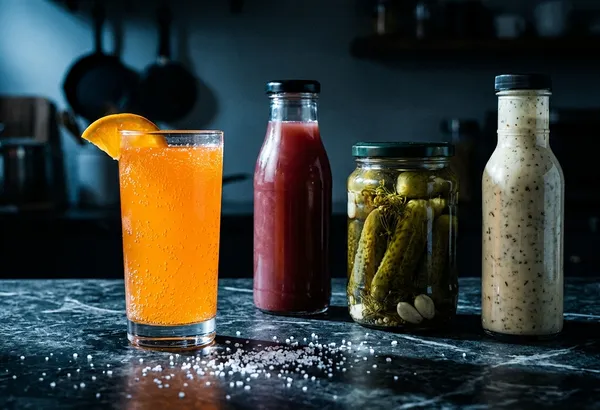
Preservative 211 / INS 211: Sodium Benzoate (E211)
Preservative 211, INS 211, and E211 are sodium benzoate. Learn where it appears, when vitamin C can form benzene, and which label names to check.
Label Reading Guides
May 13, 2026 | 9 min read
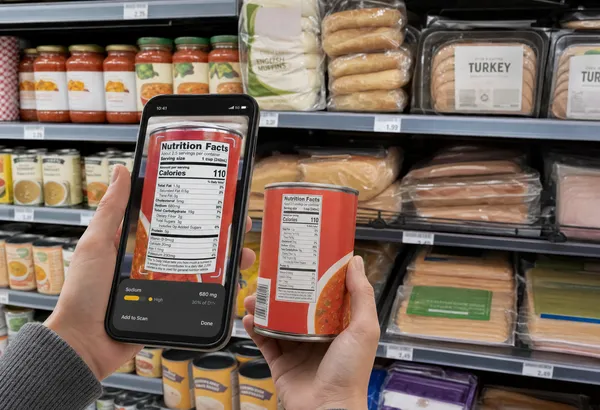
Low-Sodium Food Scanner: Check Salt Claims and Hidden Sodium
A low-sodium food scanner helps shoppers review sodium claims, serving sizes, sodium additives, and salt budget conflicts against saved limits.
Ingredient Deep Dives
Apr 28, 2026 | 8 min read
Benzoate Preservatives: Why Aldi Flags Potassium Benzoate
Potassium benzoate is the Aldi list entry, but shoppers usually need the larger benzoate family context. Here is why these preservatives still matter on modern labels.
Food Policy Watch
Mar 9, 2026 | 10 min read
Red 40 & Yellow 5: The 6 Food Dyes the FDA Is Phasing Out
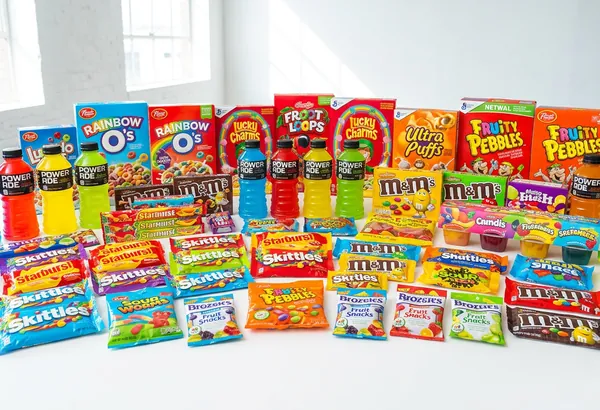
Red 40, Yellow 5, and 4 other petroleum-based dyes are being removed from US food by the FDA after decades of ADHD and hyperactivity concerns. Here's what's still in your pantry.
Label Reading Guides
Mar 19, 2026 | 9 min read
Hidden Ingredients: 5 Sneaky Things Food Labels Don't Tell You
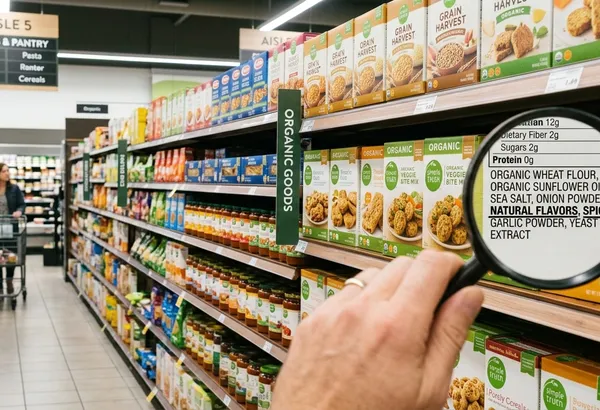
Food labels are required by law to list what's in your food — but the rules have more holes than you'd think. Here are five categories of ingredients that routinely hide in plain sight.
FAQ
Common questions
What is E211 preservative?
E211 is sodium benzoate, a preservative used mostly in acidic drinks, sauces, condiments, and shelf-stable foods.
When can sodium benzoate form benzene?
Benzene formation is most relevant in certain acidic beverages when benzoate preservatives and vitamin C are present under unfavorable heat, light, or storage conditions.
Is E211 banned in Europe?
No. E211 is permitted in the EU, but shoppers may still review it because of beverage formulation questions, additive-sensitivity concerns, and personal preservative rules.
Should I avoid every food with sodium benzoate?
Not necessarily. It is more useful to compare heavily preserved drinks and sauces, especially when similar products without benzoates are easy to find.
Sources
This profile uses regulatory and journal sources and follows the IngrediCheck editorial policy.
Questions and Answers on Benzene in Soft Drinks and Other Beverages
Sodium Benzoate — Harmfulness and Potential Use in Therapies
Sodium Benzoate — eCFR 21 CFR 184.1733
EFSA evaluates Southampton study on food additives and child behaviour
European Commission Food Additives Database
Get the app for clearer label decisions.
Scan labels, see what fits your food notes, and read the why in plain English.