Food Policy Watch
Regulatory shifts, outbreaks, recalls, and policy changes that shape how food gets labeled, marketed, and sold.
53 articles
Related Topic Hubs
Follow the clusters behind this collection
Topic Hub
Ingredient Safety
Explore IngrediCheck's ingredient safety hub for additives, contaminants, preservatives, and evidence-based label guidance.
47 articles in this collectionTopic Hub
Gluten-Free Label Reading
Find IngrediCheck's gluten-free topic hub covering hidden gluten, celiac-safe label reading, and ingredient-level guidance.
4 articles in this collectionTopic Hub
Food Contaminants
Understand food contaminants including mercury in seafood, PFAS exposure, cereulide in reheated rice, and safety guidance.
1 article in this collection
More in this collection
Aug 14, 2026
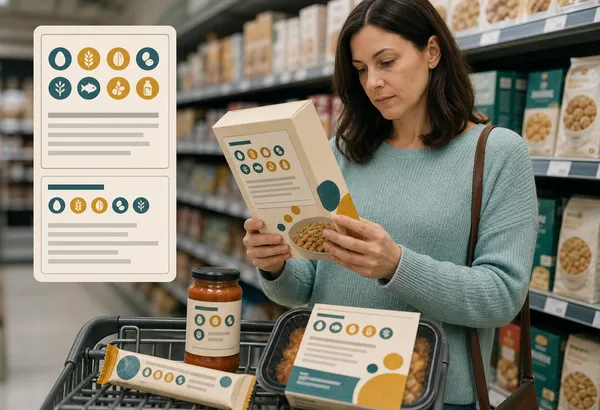
Australia Allergen Labels After the 2026 PEAL Transition
Australia and New Zealand completed the PEAL stock transition in February 2026. Learn how bold allergens, the Contains statement, prescribed names, and may-contain wording now work.
Aug 14, 2026
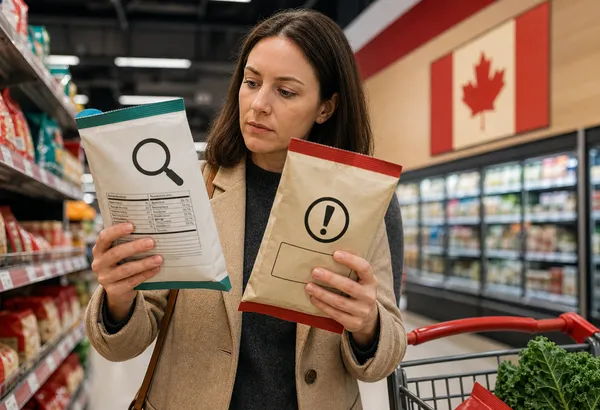
Canada Food Label Symbols: High In vs Supplemented
Canada now has two prominent front-label symbols. Learn what the High in magnifying glass and Supplemented caution identifier mean, where they appear, and what neither symbol proves.
Aug 14, 2026
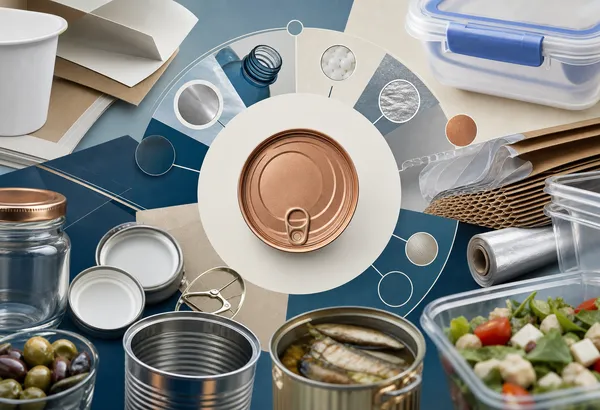
EU BPA Food Packaging Rules: What Changed in July 2026
The EU's BPA food-contact restriction reached a major transition date on July 20, 2026. Learn which materials are covered, what exceptions remain, and why ingredient labels cannot show BPA.

Aug 14, 2026
EU Honey Origin Labels: Source Countries Required in 2026
EU honey blends labelled from June 14, 2026 now need country-by-country origin information. Learn the order, percentage options, old-stock rule, and limits of the claim.
Aug 14, 2026
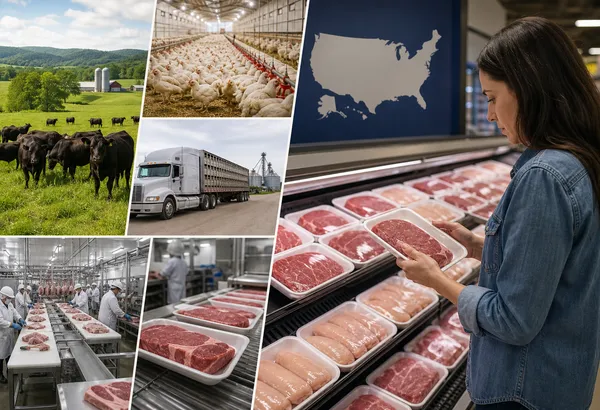
Product of USA Meat Labels: What the 2026 Rule Means
The USDA's 2026 compliance date changed what voluntary Product of USA claims mean on meat, poultry, and egg products. Learn the origin test and its limits.
Aug 1, 2026
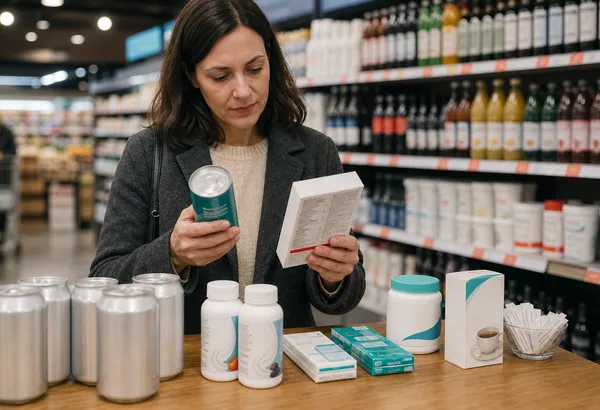
Canada Sweetener Labels: What Changed After 2025 Rules
Canada removed several special front-panel and quantitative declarations for high-intensity sweeteners. Ingredient disclosure remains, and aspartame still carries a phenylalanine warning.
Aug 1, 2026
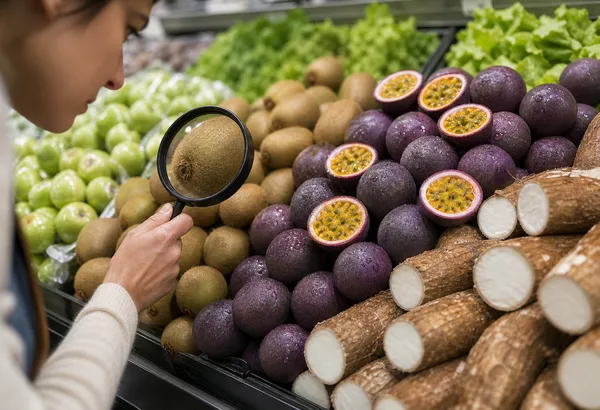
EU Produce Coatings: What Fresh-Food Labels May Not Show
EU rules allow specified surface treatments on kiwis, passion fruit, and cassava without requiring an ingredient list. Here is what that narrow exception means for shoppers.
Aug 1, 2026
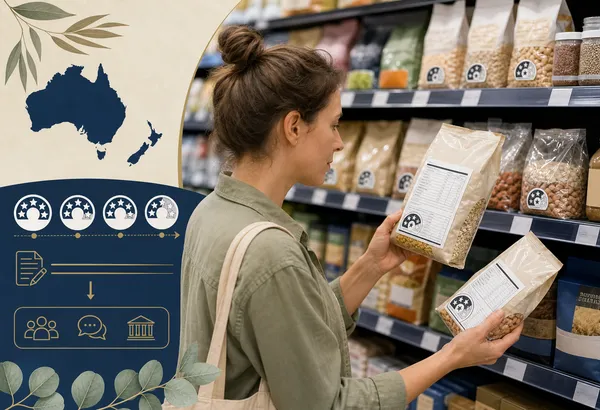
Health Star Ratings: What FSANZ P1067 Would Change
FSANZ is considering mandatory Health Star Ratings for most packaged foods that require nutrition information. The proposal is active, but it is not law yet.
Aug 1, 2026
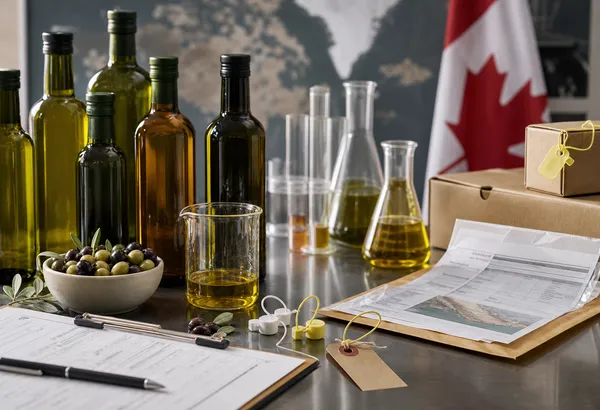
Olive Oil Fraud: What Canada's 2026 CFIA Report Found
Canada's food-fraud report found 33% unsatisfactory results among 85 targeted imported olive-oil samples. The targeted design means that is not a marketplace prevalence estimate.
Jul 13, 2026
Banned Ingredients by the US FDA: The Definitive 21 CFR 189 List
Unlike most of the world, the FDA keeps an explicit list of substances prohibited from human food. Here is the full 21 CFR Part 189 list plus the additives and flavorings the FDA has since revoked, with the label names to watch for.
Jul 2, 2026
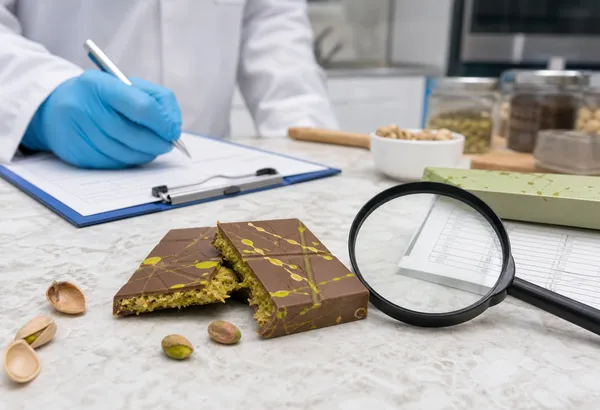
Dubai Chocolate Recall Risk: What 44 of 45 UK Tests Revealed
The UK's Food Standards Agency tested 45 samples of viral Dubai-style chocolate and found only one that met basic labeling and safety requirements. Here's what went wrong and why imported viral foods keep slipping past allergen checks.
Jul 1, 2026
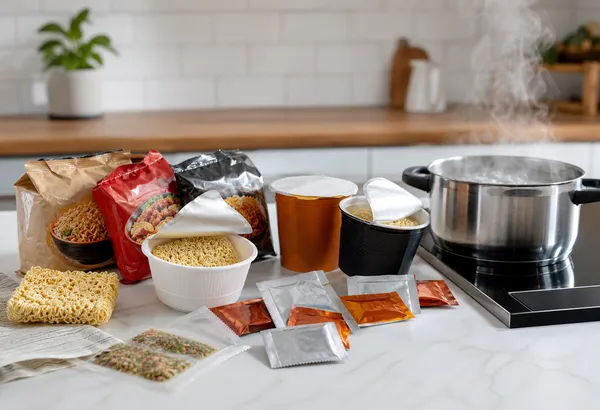
Salmonella in Instant Noodles: The Seasoning Packet Risk
A 2026 Salmonella outbreak linked to flavoured instant noodles sickened 106 people across Europe and the UK, most of them children. Here is what happened and how to prepare instant noodles safely.
Jun 30, 2026
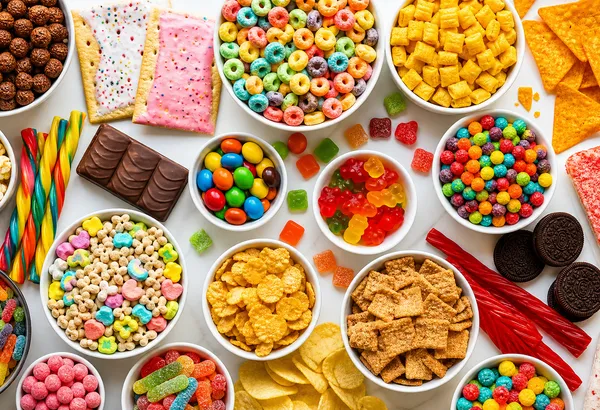
FDA Food Dye Phase-Out Tracker: Brand Pledges and Deadlines
Track FDA food dye phase-out actions and company pledges, distinguish voluntary targets from revocations, and check reformulated labels.
Jun 5, 2026
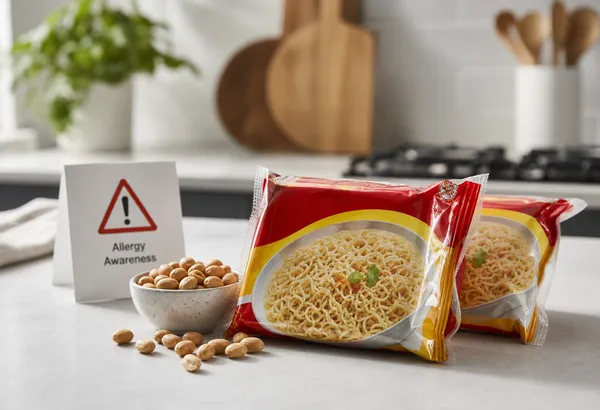
Fly By Jing Recall: The Shared Equipment Peanut Risk Explained
The May 2026 Fly By Jing sesame noodle recall revealed how shared manufacturing equipment can silently introduce peanuts into products that list no peanut ingredients — a systemic problem that trips up even careful label readers.
Jun 3, 2026
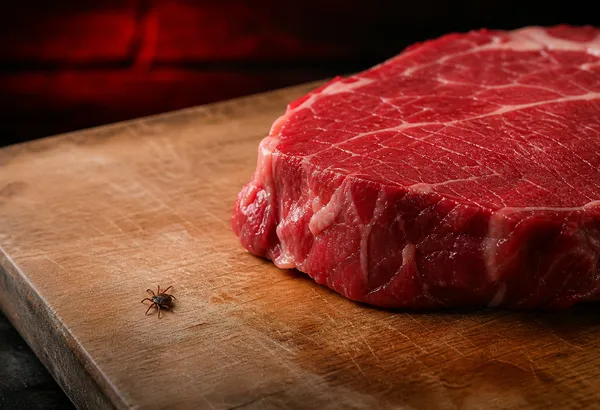
Alpha-Gal Syndrome: The Tick Bite That Makes Red Meat Dangerous
A lone star tick bite can trigger alpha-gal syndrome, a serious and often misdiagnosed allergy to red meat, dairy, and hidden mammal-derived ingredients. Here is what to know, including a new treatment gaining attention.
Jun 2, 2026
What's Changing on Food Labels in 2026: FDA's New Rules
Four significant FDA food labeling developments are reshaping what you see on packaging in 2026, from a redefined 'healthy' claim to a court ruling that may force bioengineered disclosures on refined oils.

May 26, 2026
FDA's 'No Artificial Colors' Has a New Meaning in 2026
In February 2026, the FDA issued guidance that allows products containing non-certified color additives — including titanium dioxide, which is banned in the EU — to carry a 'no artificial colors' claim. Here's what changed, what it means, and how to read past the label.
May 25, 2026
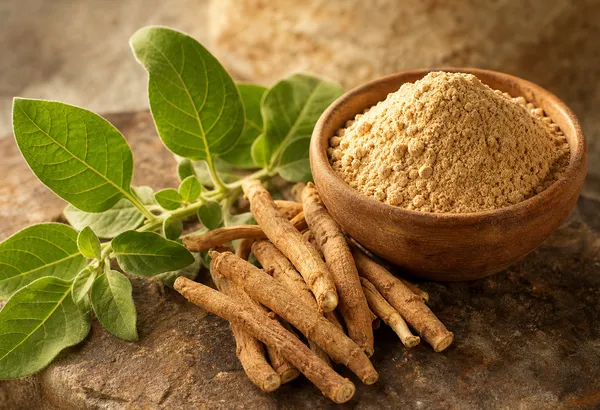
India Bans Ashwagandha Leaves: What Wellness Shoppers Need to Know
India's FSSAI issued a firm advisory in April 2026: only ashwagandha roots are permitted in food products, not leaves. Here's why the distinction matters, what makes leaf extracts riskier, and how to read labels to know what you're actually buying.

May 23, 2026
New York's Potassium Bromate Ban: What It Means for Your Bread
New York's legislature passed a bill banning potassium bromate from all food sold in the state. Here's what the law does, why this additive is controversial, and what consumers should check on labels right now.
May 21, 2026
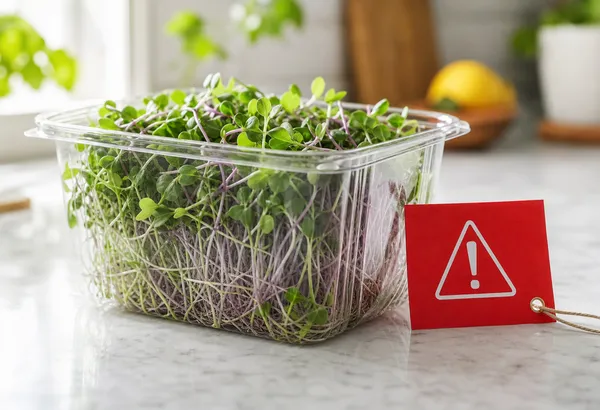
E. coli in Organic Microgreens: What Canada's 2026 Recalls Show
Three separate organic microgreen recalls hit Canada in May 2026. The organic label, the health halo, and the superfood status offered no protection against pathogenic E. coli.
May 20, 2026
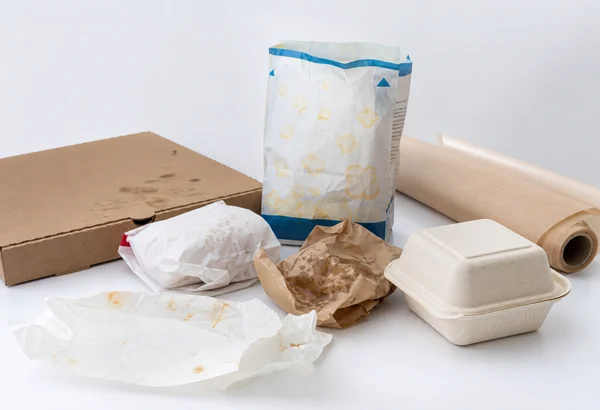
PFAS in Food Packaging: What the August 2026 EU Ban Means for You
The EU bans PFAS in food-contact packaging from August 12, 2026. Here is what forever chemicals are, which products are affected, and what it means for everyday shoppers.
May 20, 2026
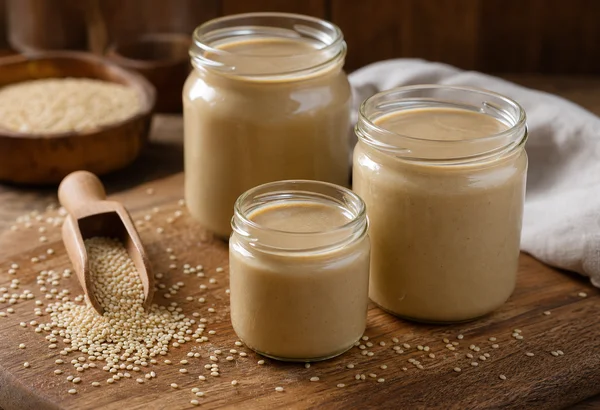
Tahini and Salmonella: The Hidden Risk in a Pantry Staple
Tahini has been recalled for Salmonella more times than most foods. Here is why sesame paste is uniquely vulnerable to contamination and how to protect yourself.
May 19, 2026
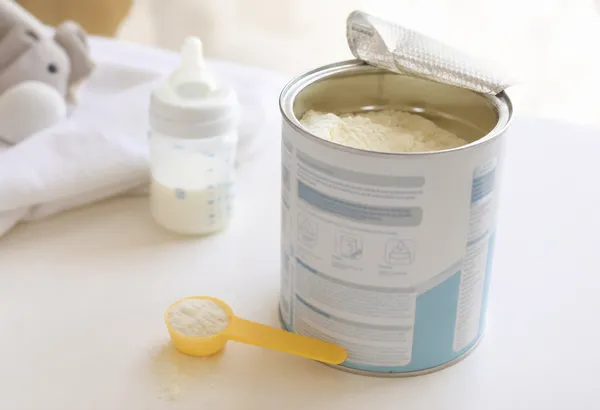
Cereulide in Infant Formula: What Parents Need to Know
A contaminated ARA oil ingredient from China triggered a global wave of infant formula recalls across Europe and the US in late 2025 and 2026. Here's what cereulide is, why it is dangerous for infants, and what the delayed regulatory response revealed.

May 18, 2026
Glycerol in Slush Drinks: A Hidden Risk for Young Children
EFSA's May 2026 assessment found that a single slush drink can push young children over the safe threshold for glycerol — a sweetener that replaced sugar but carries its own acute risks for children under seven.
May 17, 2026
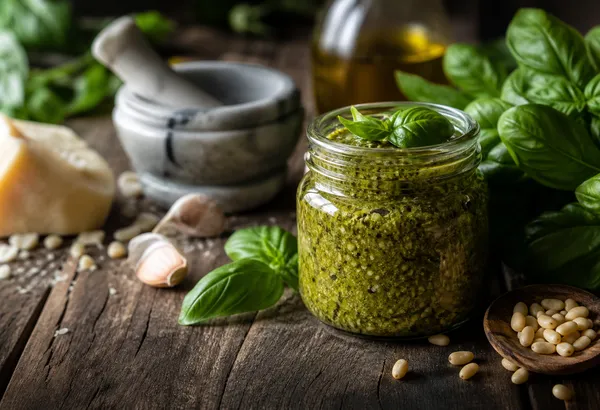
Hidden Fish in Pesto: What the Filippo Berio Recall Tells Us
A May 2026 UK recall of Filippo Berio Hot Chilli Pesto over undeclared fish highlights a wider pattern: fish allergens hide in condiments, sauces, and pastes that most shoppers would never suspect contain any seafood at all.
May 15, 2026
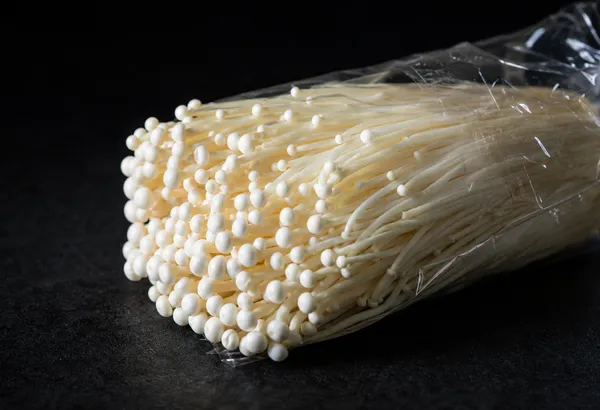
Enoki Mushrooms and Listeria: Why These Imports Keep Getting Recalled
Two more enoki mushroom recalls hit the FDA list on May 14, 2026, continuing a pattern that began with a multistate outbreak in 2020. Here is why these delicate mushrooms pose a persistent Listeria risk and what consumers should know.
May 15, 2026
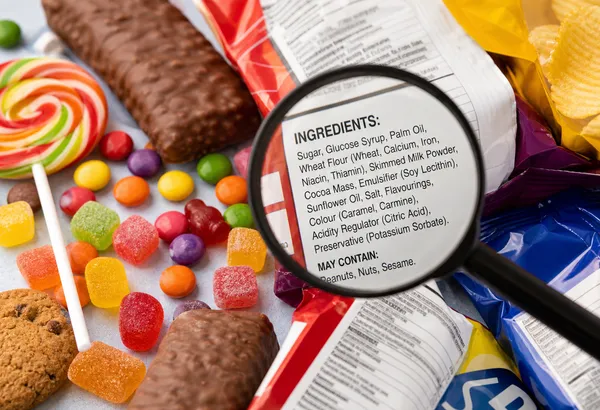
The 2026 State Food Ingredient Ban Wave: What Consumers Should Know
Fourteen states are considering bills to ban or restrict food dyes and additives in 2026. Here is a breakdown of what ingredients are targeted, which states are leading, and what this patchwork of laws means for what is on your grocery shelves.
May 14, 2026
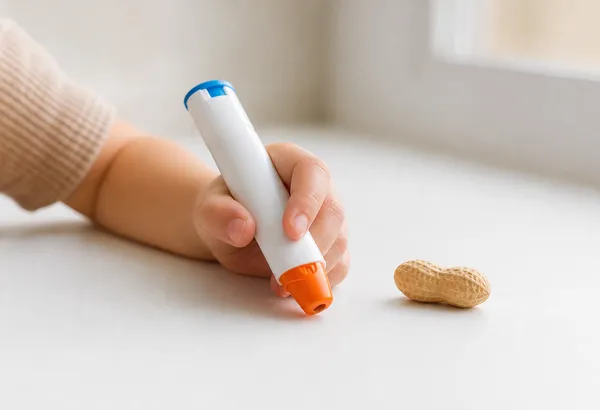
Palforzia Discontinuation: What It Means for Peanut Allergy Families
Palforzia, the first FDA-approved oral immunotherapy for peanut allergy, will be discontinued on July 31, 2026. Here is what the withdrawal means for families currently on treatment, those on waiting lists, and the future of food allergy care.
May 11, 2026
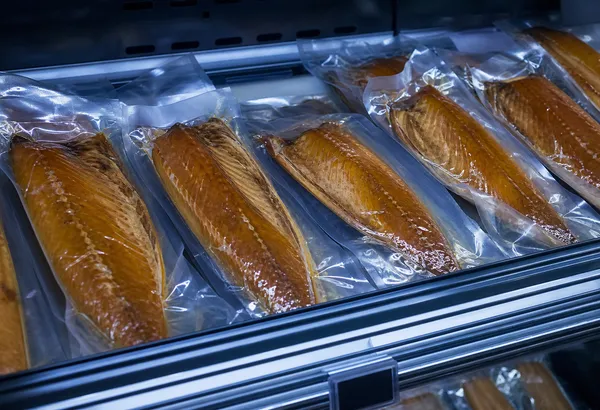
Botulism in Packaged Foods: What the 2026 Recall Reveals About Food Safety Gaps
A May 2026 recall of kippered herring for potential Clostridium botulinum contamination highlights a rare but deadly food safety threat. Here's what botulism is, how it gets into packaged foods, and how to spot the signs.
May 10, 2026
The Milk Powder Recall Cascade: How One Contaminated Ingredient Hit National Brands
A single contaminated batch of milk powder from California Dairies triggered recalls across Utz potato chips, Ghirardelli beverages, Pork King Good pork rinds, Aldi pizzas, and more. Here is how ingredient supply chains spread food safety risk.

May 9, 2026
Alkaline Water: Health Trend or Misleading Label?
FSSAI seized misbranded alkaline water in India this month. What actually is alkaline water, what does the science say about its claims, and how are regulators around the world responding to the trend?
May 8, 2026
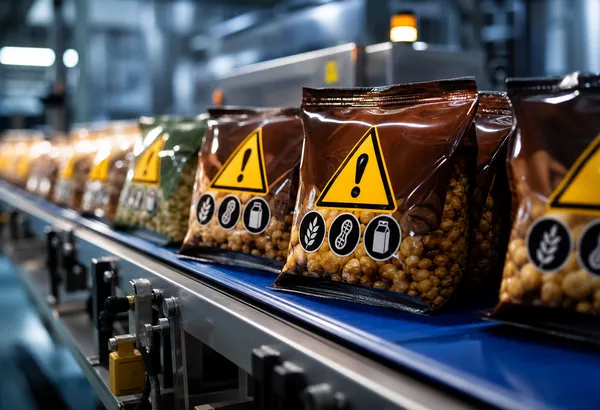
Undeclared Allergens: Why Food Recalls Keep Missing the Label
Nearly half of all food recalls involve undeclared allergens. Here's why the problem persists despite decades of regulation, and what it means for the 22 million Americans with food allergies.
May 7, 2026
FRESH Act 2026: What the Proposed FDA Reform Means for Your Food
A sweeping draft bill would reshape how the FDA regulates food ingredients. Here's what the FRESH Act proposes, who supports it, who opposes it, and what it means for shoppers.
May 5, 2026
Pesticide Residues in EU Food: EFSA's 2024 Report Explained
EFSA published its 2024 EU pesticide residues report in May 2026 across 125,000 samples. Here is what compliance rates, border checks, and residue trends mean for everyday shoppers.
May 2, 2026
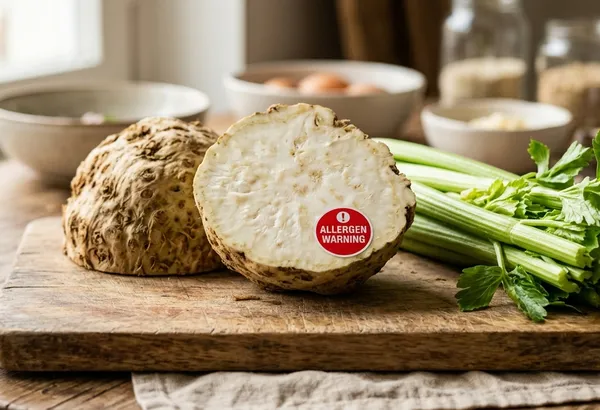
Celeriac: The Hidden Allergen Behind the HiPP Baby Food Recall
A 2026 HiPP recall has put celery and celeriac back in the spotlight. Here is why this overlooked allergen matters, where it hides, and how to spot it on a label.
Apr 29, 2026
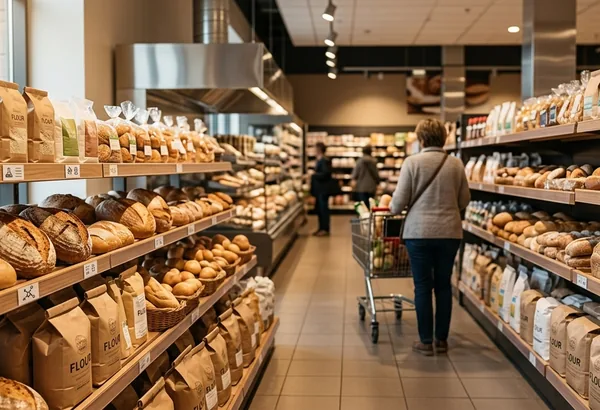
Bread Additives Banned in Europe but Still Legal in the U.S.
A focused guide to U.S. bread additives Europe rejected, including potassium bromate, azodicarbonamide, potassium iodate, and chemically bleached flour.
Apr 29, 2026
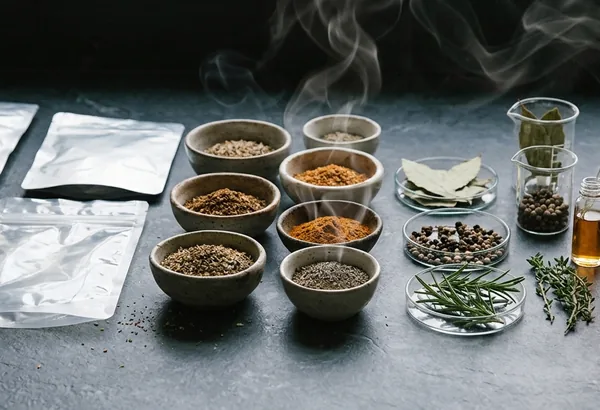
Flavor Chemicals Banned in Europe but Allowed in the U.S.
A careful guide to flavoring chemicals, smoke flavorings, and why natural flavors or artificial flavors can hide EU-vs-U.S. regulatory differences.
Apr 27, 2026
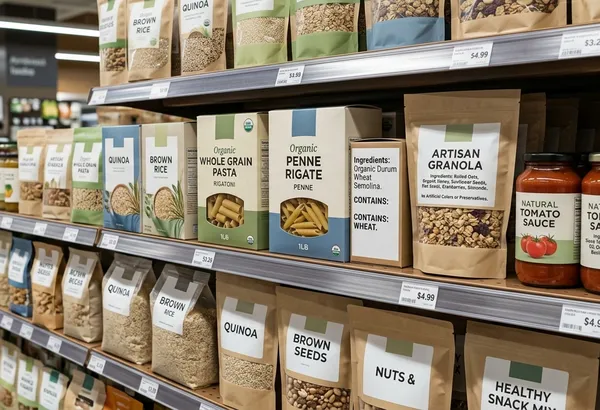
ALDI Restricted Ingredients List: All 57 Ingredients
ALDI says its private-label food, vitamin, and supplement products will exclude 57 restricted ingredients by the end of 2027. Here is the full list, grouped and normalized for shoppers.
Apr 24, 2026
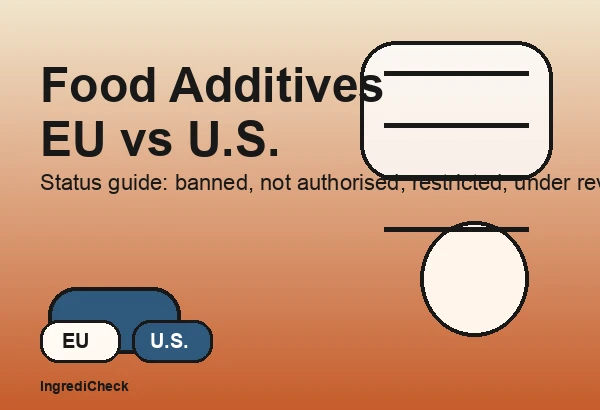
Food Additives Banned in the EU but Still Allowed in the U.S. (2026 Guide)
A careful guide to the additives Americans describe as banned in Europe, what that phrase actually means, and which ingredients still show up on U.S. labels.
Apr 24, 2026
Why Europe Bans Some Food Additives the U.S. Still Allows
Why do some additives disappear from the EU first and linger in American food longer? The answer is less about vibes and more about how the systems are built.
Apr 23, 2026
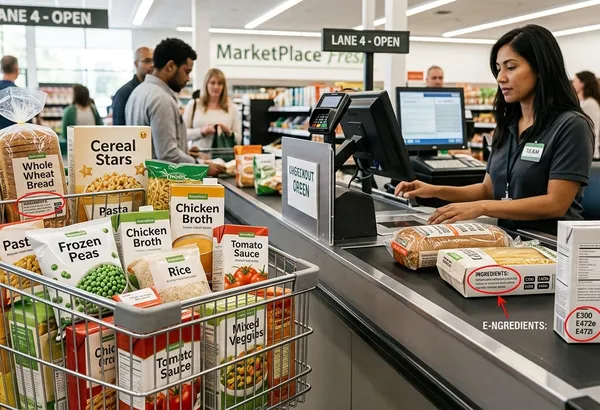
Aldi Removes 44 More Ingredients From Store Brands
Aldi is removing 44 additional ingredients from its private-label food, vitamin, and supplement products. The move expands its restricted ingredient list from 13 to 57 and will roll out through 2027.
Apr 17, 2026
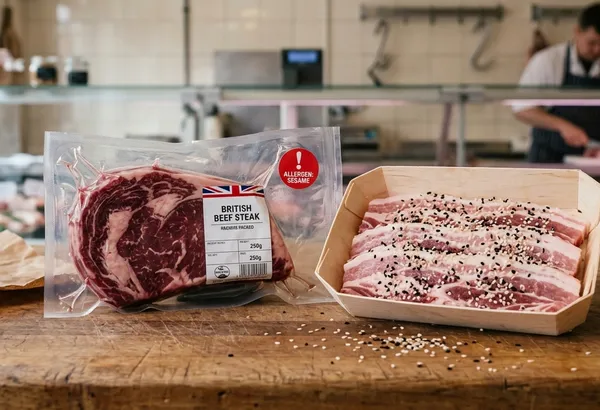
Sesame in Raw Meat: Why USDA Just Issued a Public Health Alert
FSIS just flagged raw beef and pork for undeclared sesame. Three years after the FASTER Act, the allergen keeps slipping into categories nobody expects to scan.
Apr 15, 2026
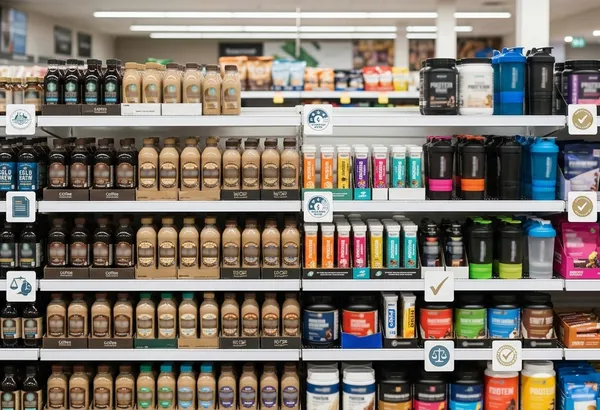
FSANZ Caffeine Rules 2026: Australia & NZ Label Changes
FSANZ approved Proposal P1056 to tighten caffeine and guarana rules across Australia and New Zealand. Here is what is changing, what stays the same, and how new labels will work.
Apr 14, 2026
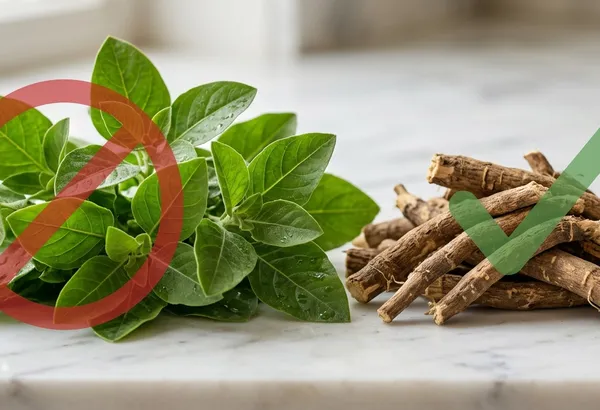
FSSAI Banned Ashwagandha Leaves in Food: What to Know
FSSAI's April 2026 advisory tells food businesses to stop using ashwagandha leaves in any form. Here's the science behind the decision and what it means for shoppers.
Apr 13, 2026
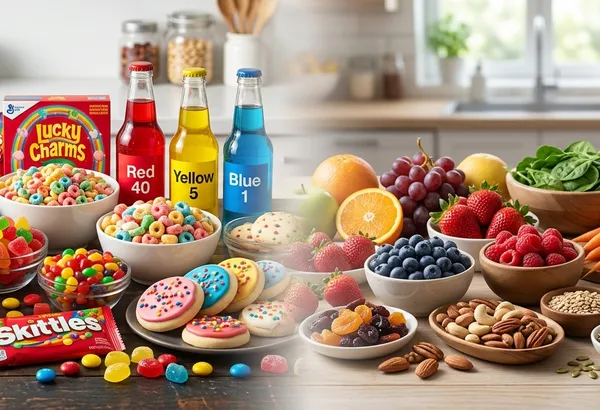
The FDA's 2026 Synthetic Dye Phase-Out: What It Means for Your Family
The FDA is phasing out petroleum-based synthetic food dyes by the end of 2026. Learn which dyes are affected, why they're being removed, and how to identify them in your food.
Apr 12, 2026
FDA's 2026 Chemical Safety Priorities: What Ingredient Reform Is Coming
The FDA's Human Foods Program released its 2026 Priority Deliverables, targeting food dyes, chemical additives, GRAS reform, and ultra-processed foods. Here is what consumers and families should expect.
Apr 9, 2026
Antibiotic Resistance in Food: The 2026 EFSA Report Explained
EFSA's 2026 report found drug-resistant bacteria routinely in European food animals and meat. Here's what the findings mean for consumers and which labels actually matter.
Apr 5, 2026
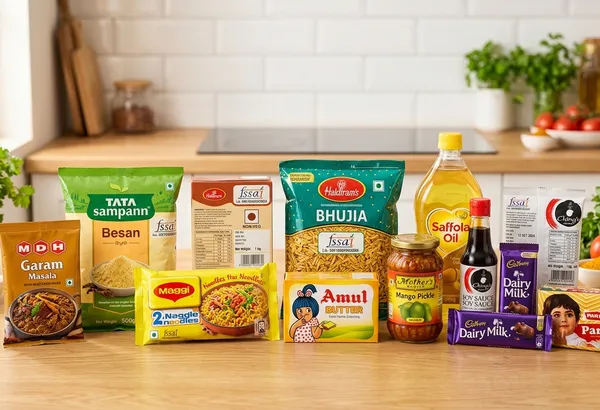
FSSAI Labelling Amendment 2026: What Changes for Indian Consumers
India's food regulator FSSAI has amended its labelling rules in 2026, banning misleading claims and tightening nutritional disclosures. Here is what you need to know as a consumer.
Mar 26, 2026
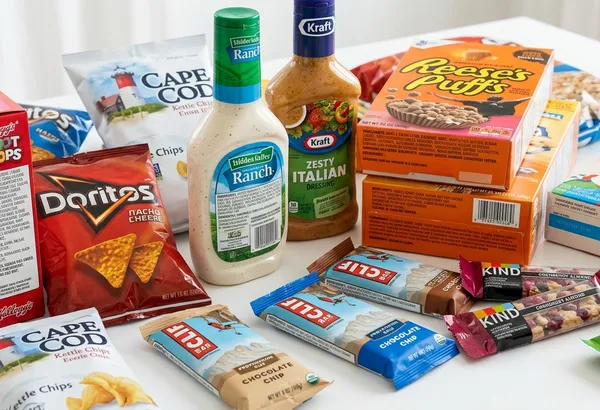
How 'FDA Approved' Food Additives Are Still Making People Sick
The GRAS loophole lets food companies self-certify their own ingredients as safe — without telling the FDA. Here's how approved additives get into your food, and why 'safe' has a much lower bar than you think.
Mar 23, 2026
44 Food Additives Banned Abroad: Texas's Warning Label List
Texas passed a law requiring warning labels on foods containing 44 ingredients banned in the EU, Australia, Canada, or the UK. Here's what's on the list and why it matters.
Mar 9, 2026
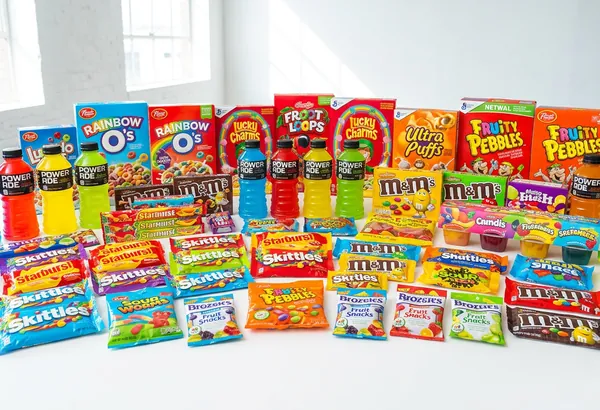
Red 40 & Yellow 5: The 6 Food Dyes the FDA Is Phasing Out
Red 40, Yellow 5, and 4 other petroleum-based dyes are being removed from US food by the FDA after decades of ADHD and hyperactivity concerns. Here's what's still in your pantry.
Mar 9, 2026
The GRAS Loophole: How Food Chemicals Skip FDA Review
Since 2000, nearly 99% of new food chemicals entered the American food supply without FDA safety review. The FDA is finally proposing to close the loophole.
Get the app for clearer label decisions.
Scan labels, see what fits your food notes, and read the why in plain English.