Ingredient Deep Dives
Long-form explainers on additives, preservatives, contaminants, and the ingredients that deserve a closer look.
69 articles
Related Topic Hubs
Follow the clusters behind this collection
Topic Hub
Ingredient Safety
Explore IngrediCheck's ingredient safety hub for additives, contaminants, preservatives, and evidence-based label guidance.
66 articles in this collectionTopic Hub
Preservatives
Review preservative label guidance for sodium benzoate, BHA, BHT, parabens, calcium propionate, and related packaged foods.
1 article in this collectionTopic Hub
Food Additives
Browse IngrediCheck's food additives hub for preservatives, dyes, sweeteners, and ingredient-by-ingredient label guidance.
1 article in this collection
More in this collection
Sep 5, 2026
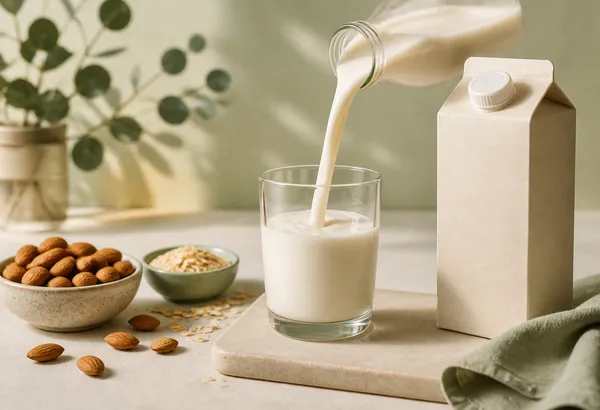
Gellan Gum in Plant-Based Milk: Uses and Vegan Status
Find out why plant-based drinks use gellan gum, what fermentation means for vegan sourcing, and how to compare cartons without confusing stability with nutrition.
Sep 5, 2026
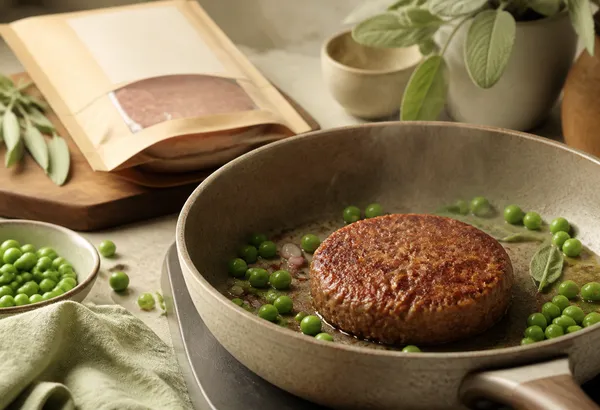
Methylcellulose in Food: Why Plant-Based Burgers Use E461
Learn how methylcellulose helps a plant-based burger hold together, why E461 differs from cellulose gum, and what its name does not prove about a product.
Sep 5, 2026
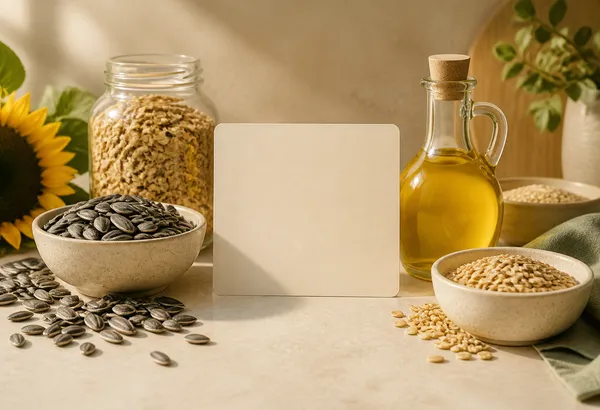
Mixed Tocopherols in Food: Vitamin E and Preservation
Understand why mixed tocopherols preserve fats, how that differs from vitamin E nutrition, and which source questions matter when avoiding soy.
Sep 5, 2026
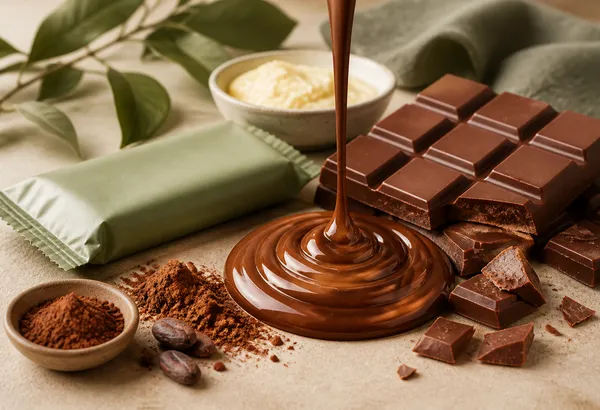
PGPR in Chocolate: E476, Texture, and Ingredient Sources
Understand why chocolate contains PGPR, what E476 means, and which sourcing questions an ingredient list can and cannot answer.
Sep 5, 2026
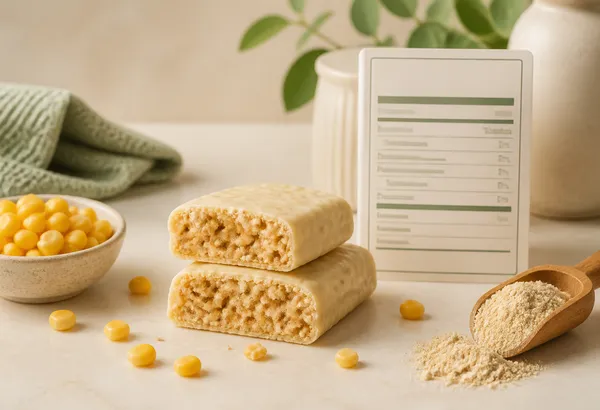
Soluble Corn Fiber in Protein Bars: Carbs and Label Claims
Compare protein bars containing soluble corn fiber using the full carbohydrate panel, serving size, ingredient identity, and your tolerance rather than a net-carb headline.
Aug 23, 2026
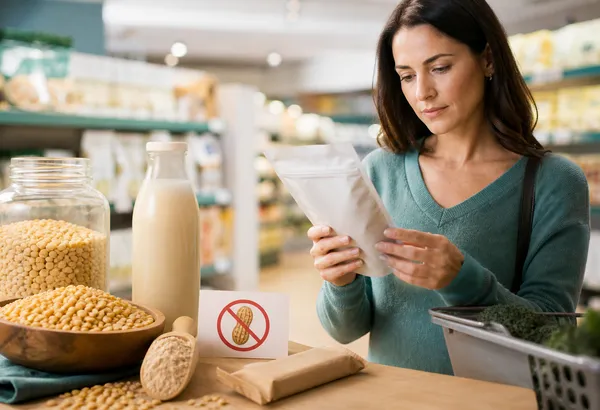
Pea Protein and Peanut Allergy: What Labels Can Tell You
Learn what pea-peanut cross-reactivity evidence actually shows, where concentrated pea protein appears, and why major-allergen statements may not highlight it.
Jul 30, 2026
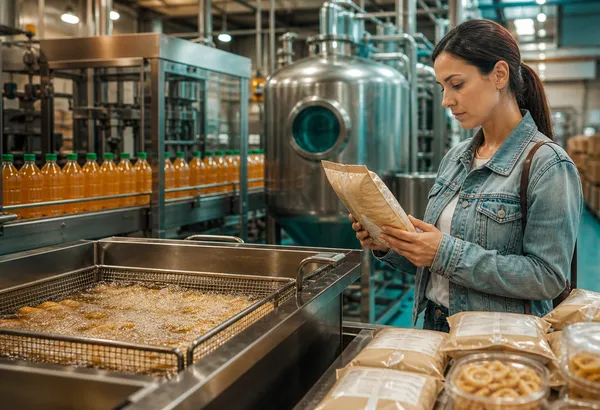
Dimethylpolysiloxane in Food: What an Anti-Foaming Agent Does
Learn why dimethylpolysiloxane is used to control foam, where food rules permit it, how E900 and INS 900a relate, and when it may appear on a label.
Jul 25, 2026
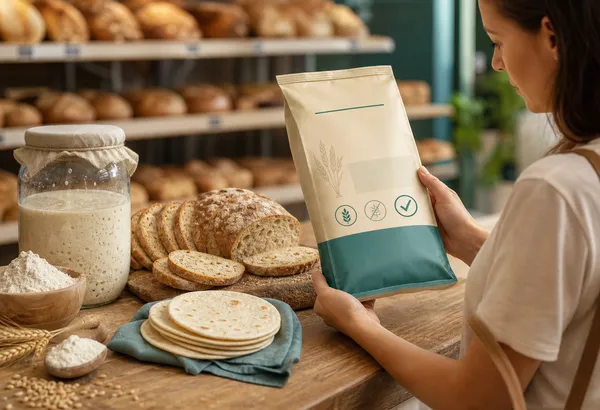
Cultured Wheat Flour: Preservative, Gluten Source, or Both?
Learn why cultured wheat flour appears in bread, what culturing changes, and why its preservative function does not automatically remove wheat or gluten.
Jul 16, 2026
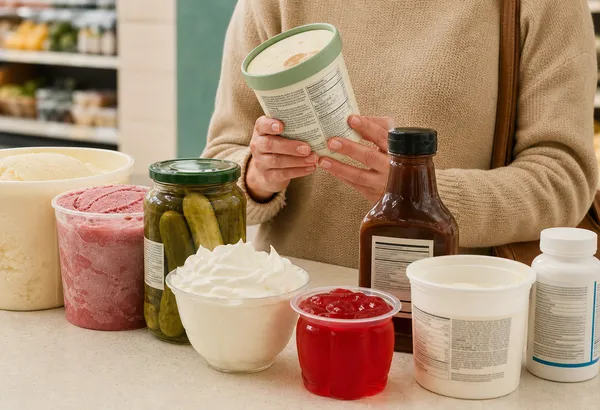
Foods With Polysorbate 80: Products and Label Guide
Find the food categories where polysorbate 80 may appear, learn its label names, and use a practical product-check routine without treating a category as proof.
Jul 16, 2026
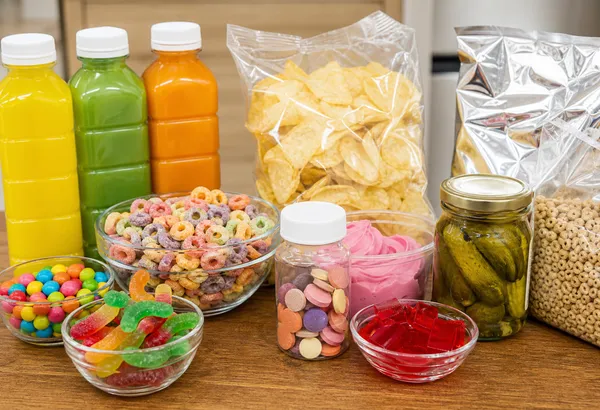
Foods With Yellow 5: Tartrazine Labels and Checklist
Find the product categories where Yellow 5 may appear, recognize tartrazine and E102, and use a practical label checklist as dye policies and recipes change.
Jun 29, 2026
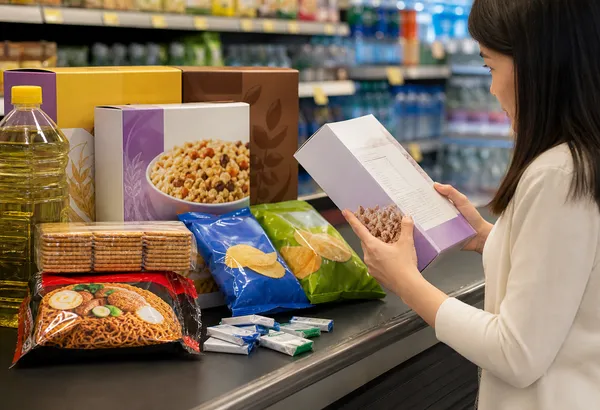
Foods With BHA, BHT, and TBHQ: A Label Guide for Shoppers
Learn which pantry categories commonly deserve a BHA, BHT, or TBHQ check, recognize their label names, and compare preservative rules without alarmism.

Jun 17, 2026
Food Preservatives Linked to Hypertension: What a New Study Found
A large French cohort study following more than 112,000 adults found that people eating the most nitrites, sulfites, and sorbates had a 29% higher risk of developing high blood pressure. Here's what the preservatives are, where they hide, and what the research does and doesn't prove.
Jun 15, 2026
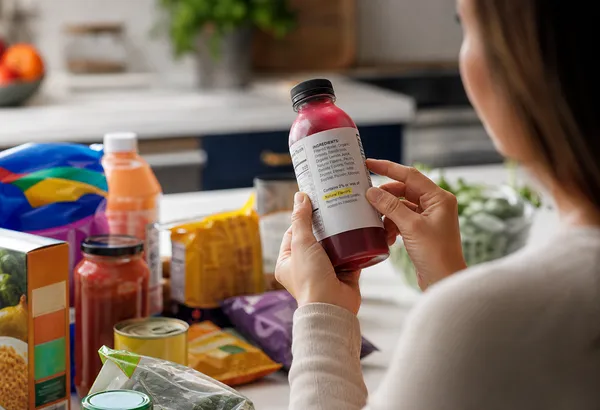
What Are Natural Flavors? The Vague Label Term, Decoded
'Natural flavors' appears on thousands of products, yet the term reveals almost nothing about what is inside. Here is what it legally means, and what it hides from allergy sufferers, vegans, and everyone else.

Jun 14, 2026
Arsenic in Rice and Baby Food: What Parents Should Know
Learn why rice can contain inorganic arsenic, what FDA's infant-cereal action level means, what labels cannot reveal, and how grain variety can reduce repeated exposure.

Jun 14, 2026
Inulin and Chicory Root: Low FODMAP Label Trap
Inulin and chicory root fiber are marketed as gut-healthy prebiotics, but they can be high-FODMAP fructans for IBS shoppers. Learn the label aliases and when to flag them.
Jun 3, 2026
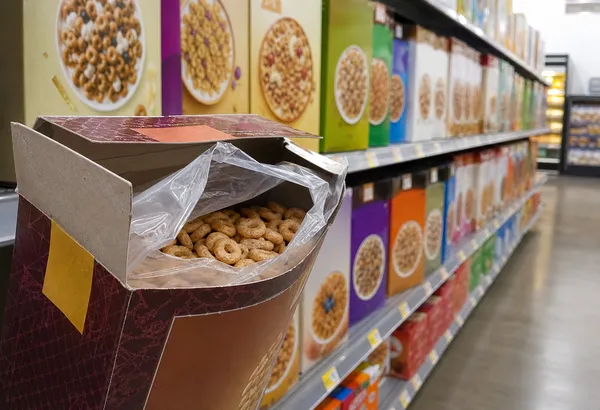
MOSH and MOAH: The Petroleum Residues Found in Your Pantry
Mineral oil hydrocarbons from recycled cardboard packaging and food processing machinery are turning up in cereals, pasta, vegetable oils, and spices. EFSA's 2023 risk assessment found one type may be genotoxic and carcinogenic, and the EU is now moving to set limits.
Jun 2, 2026
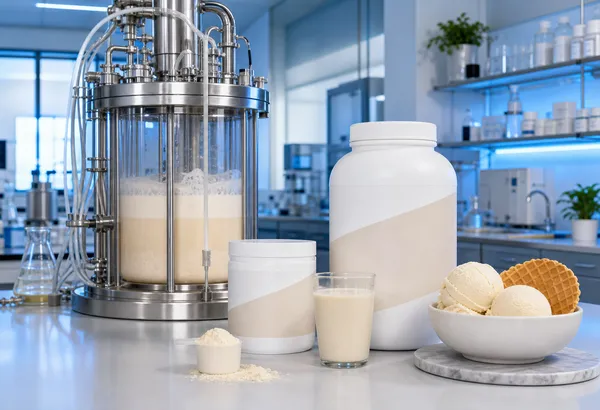
The Rise of Precision Fermentation: How to Read the Labels
Precision fermentation-derived ingredients are already in US grocery stores, and most labels don't make them obvious. Here's what the technology produces, which products contain it, and what to look for.
May 31, 2026
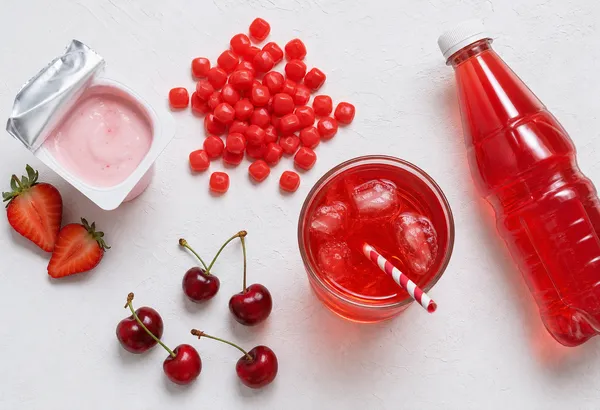
Carmine Color (E120): Insect Dye, Safety, and Foods
Carmine color, E120, and cochineal extract are red dyes made from insects. See foods with carmine, allergy risk, and labels to check.
May 30, 2026
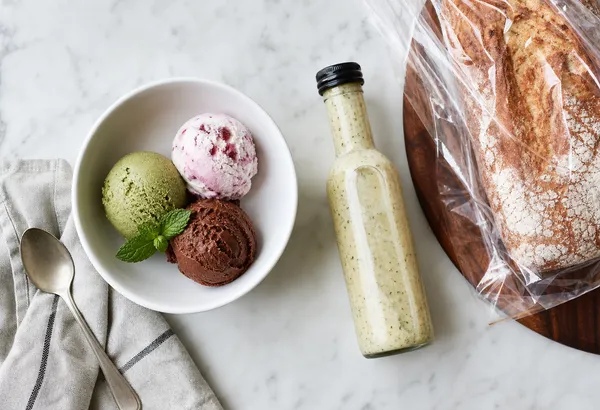
Polysorbate 80: What This Common Emulsifier Does to Your Gut
Polysorbate 80 keeps your ice cream smooth and your salad dressing from separating. A growing body of research suggests it may also be quietly reshaping your gut microbiome.
May 29, 2026
Decoding Every Common Food Additive: The Master List
A plain-English guide to the most common food additives by category, what the science says about each, and which ones the EU has banned while the US still allows.

May 23, 2026
Potassium Bromate vs Bromated Flour: Label Guide
Potassium bromate and bromated flour are connected but not identical. Use this label guide to understand the wording, rules, and bread-aisle checks.
May 22, 2026
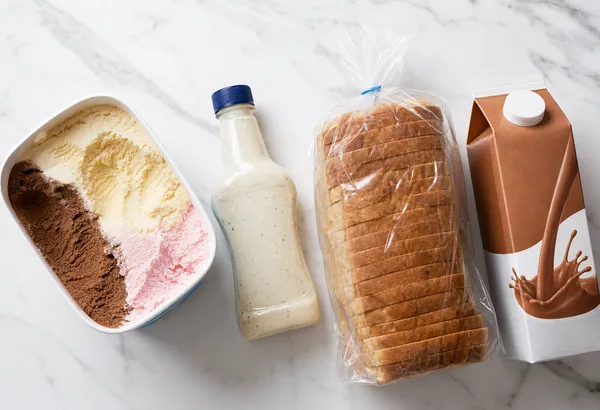
Cellulose Gum: The Food Additive Researchers Can't Stop Studying
Carboxymethylcellulose (CMC), listed as cellulose gum on ingredient labels, is one of the most common emulsifiers in processed food. A growing body of research links it to gut microbiome disruption and chronic inflammation.
May 22, 2026
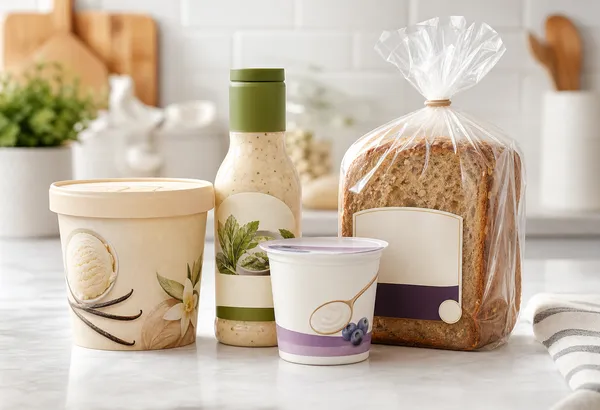
Guar Gum: From Ice Cream to Baby Formula, What to Know
Guar gum is one of the most common thickeners in processed food. A 2024 EFSA re-evaluation and a 2026 EU regulation have now removed it from infant formula — here's what consumers need to know.

May 21, 2026
Microplastics in Food: What EFSA's Research Actually Tells Us
EFSA published its latest research on microplastics from food packaging in 2025 and will publish full scientific advice by 2027. Here is what the evidence actually shows — and what you can do now.
May 13, 2026
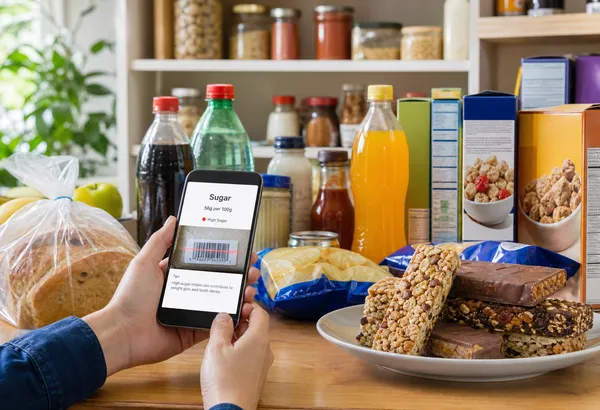
High-Fructose Corn Syrup: Label Names and How to Spot It
High-fructose corn syrup is only one of many added sugar terms on packaged food labels. Learn the label names, Nutrition Facts clues, and scanner rules.
May 13, 2026
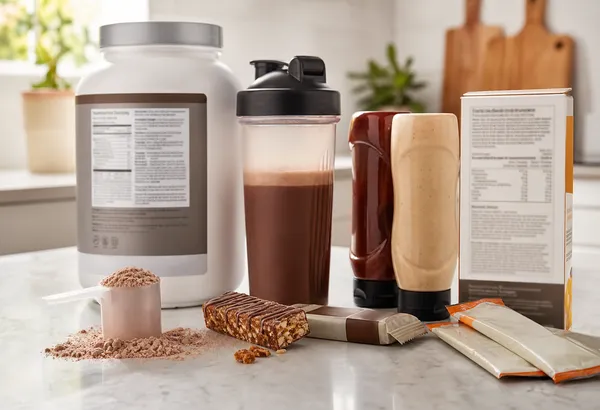
Maltodextrin: The Hidden Carb in Healthy Packaged Foods
Does maltodextrin count as added sugar? Learn how FDA label rules treat maltodextrin, which foods contain it, and why carb-aware shoppers flag it.

May 13, 2026
Phosphates in Food Additives: Meat, Cheese, and Kidney Health
Phosphate additives show up in meats, cheese, bakery mixes, colas, and processed foods. Learn the label names and why kidney-health shoppers often flag them.
May 13, 2026
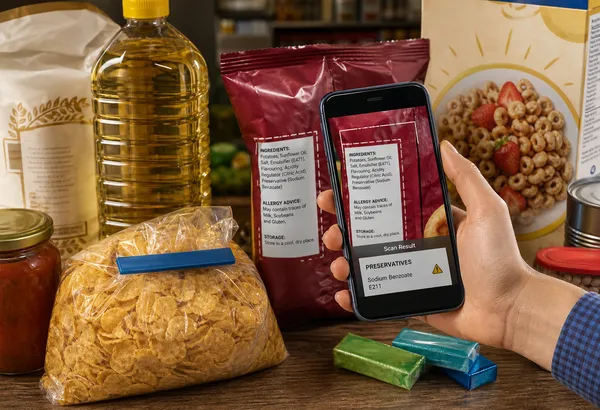
Propyl Gallate: The Antioxidant Preservative Nobody Talks About
Propyl gallate is an antioxidant preservative used to protect fats and oils from rancidity. Learn where it appears, how regulators treat it, and what to scan for.
May 13, 2026
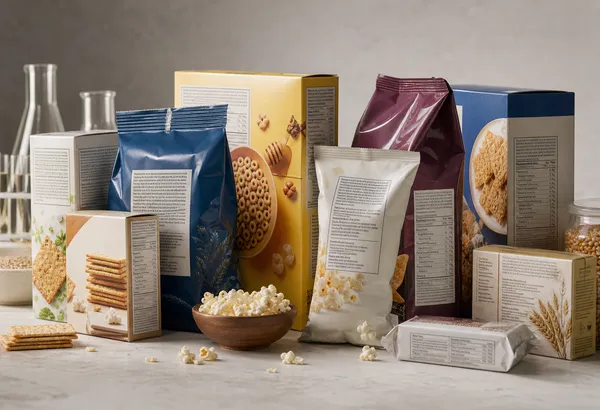
TBHQ: The Preservative in Your Crackers and Cereal
TBHQ is an antioxidant preservative used to protect fats and oils in shelf-stable foods. Learn where it appears, what regulators say, and how to screen labels.

May 12, 2026
Aspartame Safety: What the 2023 WHO Classification Means
Aspartame was classified as possibly carcinogenic by IARC in 2023, while JECFA kept the existing intake limit. Here is what that means for labels.
May 1, 2026
PEG Allergy: Why This Hidden Ingredient Is Harder to Avoid Than You Think
PEG allergy is rare but potentially severe. Polyethylene glycol hides under dozens of names in medications, cosmetics, and even food. Learn the symptoms, how it's diagnosed, and why reading labels is not enough.

Apr 28, 2026
Aluminum-Based Food Additives: Why Aldi Flags Baking-Powder Chemistry
Aldi flags several aluminum-based baking and firming salts separately. Here is what these additives do and why they read as a clean-label problem even when shoppers rarely know the chemistry.

Apr 28, 2026
Benzoate Preservatives: Why Aldi Flags Potassium Benzoate
Potassium benzoate is the Aldi list entry, but shoppers usually need the larger benzoate family context. Here is why these preservatives still matter on modern labels.

Apr 28, 2026
Bromates in Food: Why Aldi Still Flags Multiple Bread Additives
Aldi flags potassium bromate, calcium bromate, and bromated flour separately. Here is why shoppers need the grouped bromate picture, especially in bread and baking products.
Apr 28, 2026
Partially Hydrogenated Oils and Trans Fat: The Aldi Legacy Cleanup
Aldi's older restricted list names both partially hydrogenated oils and synthetic trans fat. Here is why that double wording still matters even after the main U.S. trans fat cleanup.
Apr 28, 2026
Sodium Hydroxide and Lye in Food: Why Aldi Flags These Processing Aids
Sodium hydroxide and lye sound alarming on an ingredient list, but their real story is about processing, not a headline ban. Here is why Aldi flags both names anyway.

Apr 28, 2026
Sulfites in Food: Why Aldi Flags Multiple Sulfite Additives Separately
Aldi lists potassium bisulfite and potassium metabisulfite separately, but shoppers usually need the bigger sulfite picture. Here is what sulfites do, where they appear, and why this family matters.
Apr 27, 2026
Acesulfame K: The Artificial Sweetener Aldi No Longer Wants
Acesulfame potassium still shows up in zero-sugar drinks, protein products, and gum even as retailers like Aldi move away from it. Here is what it does and why clean-label standards keep targeting it.
Apr 27, 2026
BHT: The Preservative That Usually Travels With BHA
BHT often appears next to BHA in cereals, snacks, and oils. Here is what it does, why Aldi excludes it, and why shoppers should treat the pair as a broader preservative pattern.
Apr 27, 2026
What Is Blue 1? Blue #1 Food Dye, Uses, and Labels
What is Blue 1 or Blue #1? Learn what FD&C Blue No. 1, Brilliant Blue FCF, and E133 mean, which foods use it, and label cues to check.
Apr 27, 2026
Blue 2: The Less-Famous Synthetic Dye Still Allowed in Food
Blue 2 does not get the same attention as Red 40 or Yellow 5, but it still shows up in candy, cereal, and baked snacks and remains part of the synthetic dye cleanup retailers and states are accelerating.
Apr 27, 2026
Brominated Vegetable Oil: The Soda Emulsifier Retailers Keep Dropping
Brominated vegetable oil helped citrus flavor stay suspended in soft drinks for decades. Now the FDA, California, and retailers like Aldi have all moved away from it.
Apr 27, 2026
Calcium Propionate: The Bread Preservative That Keeps Mold Away
Calcium propionate helps packaged bread last longer without visible mold, which is exactly why Aldi now treats it as a clean-label tradeoff worth removing.
Apr 27, 2026
Cyclamates: The Sweetener Family That Never Left the Regulatory Debate
Cyclamates sit in a strange regulatory position: banned from use in U.S. food but still relevant in global formulation and retailer exclusion lists. Here is why Aldi still bothers naming them.
Apr 27, 2026
Green 3: The Rare Food Dye Still Allowed in the U.S.
Green 3 is one of the least common synthetic food dyes still allowed in the U.S. That rarity does not make it irrelevant. It makes it a clear example of how obscure additives can stay legal long after shoppers stop wanting them.
Apr 27, 2026
Methylparaben: The Paraben Preservative That Slips Under the Radar
Methylparaben does not carry the same recognition as propylparaben, but it belongs to the same preservative family that retailers increasingly treat with suspicion.
Apr 27, 2026
Morpholine: The Fruit-Coating Chemical Most Shoppers Never Notice
Morpholine is a produce-coating chemical most shoppers never expect to encounter in the additive conversation. That is exactly why it strengthens the Aldi restricted-ingredients cluster.
Apr 27, 2026
MSG: The Flavor Enhancer Clean-Label Retailers Still Avoid
MSG remains legal and widely defended by mainstream regulators, but retailers like Aldi still treat it as an ingredient that clashes with a simpler private-label story.
Apr 27, 2026
Neotame: The Ultra-Potent Sweetener Most Shoppers Never Notice
Neotame is an ultra-potent sweetener used in tiny amounts, which is exactly why many shoppers never notice it on labels. Here is what it does and why Aldi wants it gone from store brands.
Apr 27, 2026
Olestra: The Fat Substitute People Forgot About
Olestra was once sold as the future of guilt-free snack food. It is now mostly remembered as a warning-label-era experiment that retailers still prefer to avoid.
Apr 27, 2026
What Is Yellow 6? Food Dye Uses, Safety, and Snack Labels
Yellow 6 is a synthetic orange-yellow food dye used in snacks, candy, drinks, and baked goods. Learn label names, safety concerns, and where it appears.
Apr 26, 2026
Propylene Oxide: The Food Treatment Agent the EU Doesn't Allow
Propylene oxide is used in the U.S. to fumigate some spices, nuts, cocoa, and dried foods. The EU treats it very differently, making it a label-blind additive issue.
Apr 25, 2026
Bleached Flour: Why Europe Rejected Chemical Flour Bleaching
Bleached flour is still common in the U.S., but chemical flour bleaching is treated very differently abroad. Learn what bleaching does and how labels reveal it.
Apr 23, 2026
Potassium Iodate: The Bread Additive Europe Rejected
Potassium iodate can strengthen bread dough, but global regulators have treated it very differently from the U.S. Here is what it does and how to spot it.
Apr 7, 2026
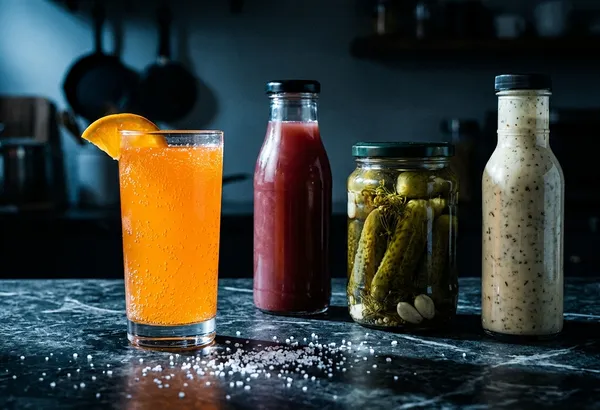
Preservative 211 / INS 211: Sodium Benzoate (E211)
Preservative 211, INS 211, and E211 are sodium benzoate. Learn where it appears, when vitamin C can form benzene, and which label names to check.

Apr 1, 2026
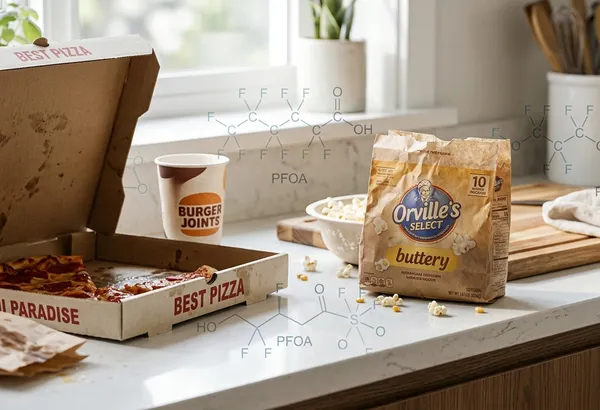
Nitrates in Processed Meat: Are They Causing Cancer?
Processed meat is in IARC's top cancer risk category alongside tobacco — but that doesn't mean eating bacon is as dangerous as smoking. Here's what the nitrate science actually says.
Mar 31, 2026
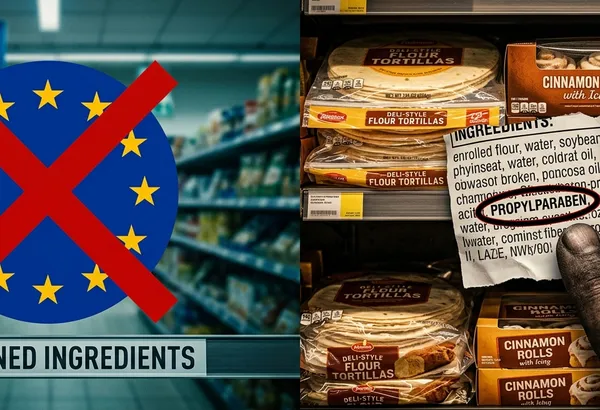
PFAS in Food: Forever Chemicals, Real Risks, and What to Do
PFAS 'forever chemicals' have been detected in 97% of Americans' blood, and food is one of the main exposure pathways. Here's what the science says and how to reduce your risk.
Mar 28, 2026
Propylparaben: Why Europe Banned It and the US Hasn't Yet
Propylparaben is a common preservative in US tortillas, baked goods, and snacks — but the EU banned it from food in 2006 over hormone-disruption concerns. California follows in 2027. Here's what you need to know.
Mar 27, 2026
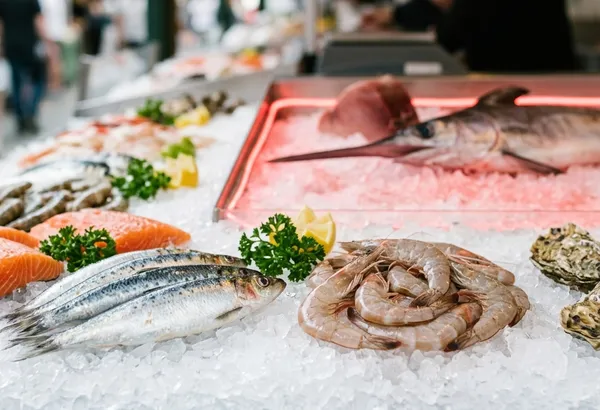
Mercury Fish List: High-Mercury Fish to Avoid
Use this mercury fish list to avoid high-mercury fish like shark, swordfish, king mackerel, bigeye tuna, tilefish, and orange roughy.
Mar 25, 2026
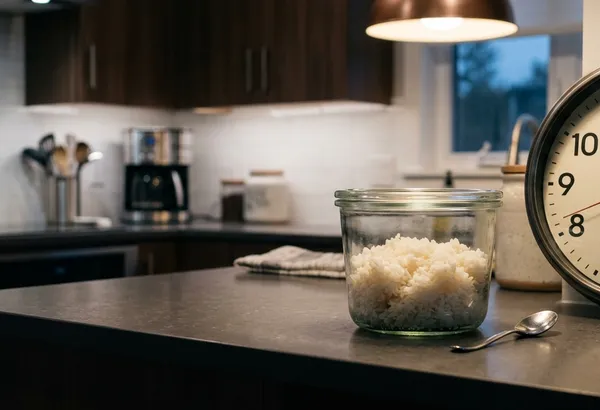
Bacillus cereus Toxin in Reheated Rice: Is It Safe?
Bacillus cereus toxin in reheated rice can survive cooking once cereulide forms. Learn the symptoms, risky foods, and safe storage rules.

Mar 20, 2026
Sucralose in Baking: What EFSA's 2026 Assessment Means for You
EFSA confirmed sucralose is safe in drinks and cold foods, but raised a serious flag for home baking — here's what the science says and what to use instead.

Mar 19, 2026
How the Adventist Health Study Reshaped Nutrition Science
The Adventist Health Study tracked 96,000 people for decades and produced some of the most influential nutrition data ever collected. Here's what it found — and what it means for how you eat.
Mar 18, 2026
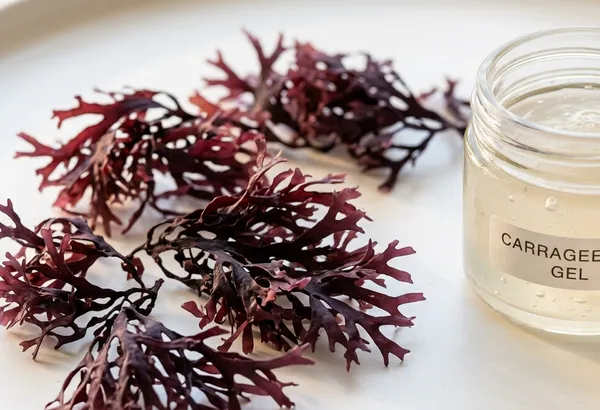
Carrageenan Explained: Why It Matters for Your Gut
Carrageenan is in thousands of everyday foods, from almond milk to deli meats. Learn what the latest science says about its effects on gut health, who should pay attention, and how to spot it on a label.
Mar 17, 2026
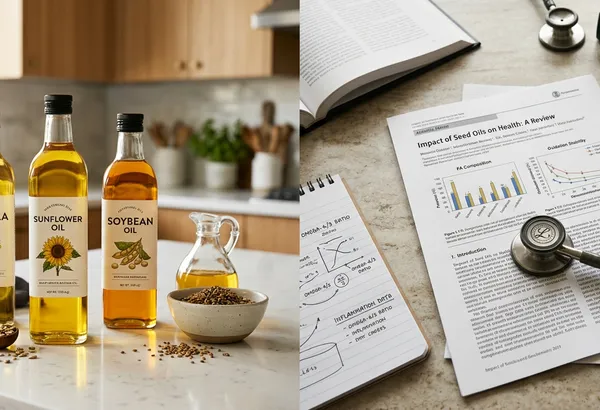
Are Seed Oils Bad for You? 30+ Studies Say No — Mostly
The internet says seed oils are toxic. Harvard, Johns Hopkins, and 30+ clinical trials say otherwise. Here's what the evidence actually shows — and where the real concerns are.
Mar 10, 2026
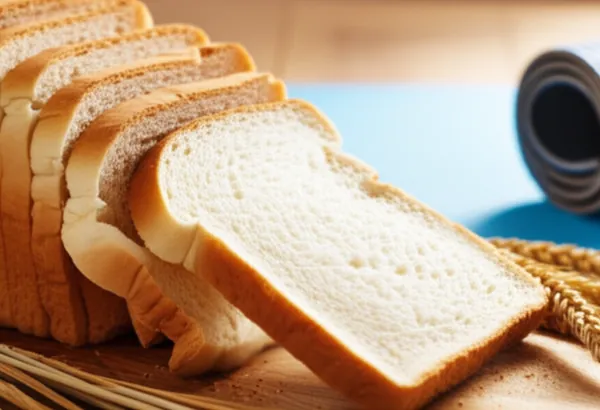
Azodicarbonamide in Bread: ADA Uses, Bans, and Label Names
Azodicarbonamide, or ADA, is a bread dough conditioner still allowed in the U.S. Learn EU status, banned-country claims, and label names.
Mar 9, 2026
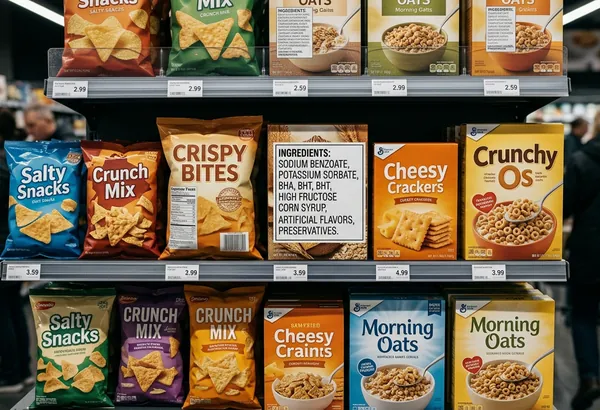
BHA: The Preservative the FDA Is Finally Reviewing
BHA has been listed as a probable carcinogen since 1991 and banned from general food use in the EU. The FDA issued a safety review request in February 2026 — 35 years later.

Mar 9, 2026
Potassium Bromate in Bread: Bromated Flour Canada, UK, and Labels
See why potassium bromate is used in bread, what the toxicology evidence shows, and how its legal status differs across the US, Canada, UK, and EU.
Mar 9, 2026
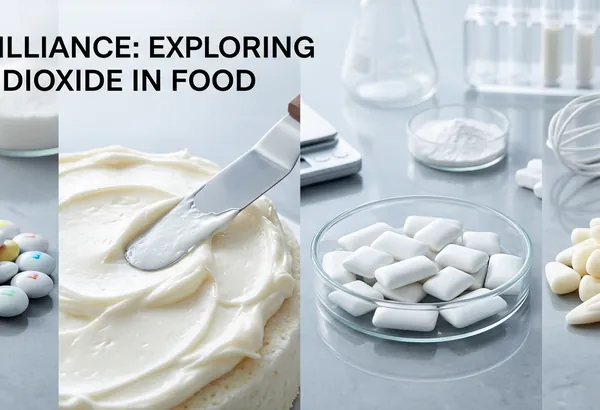
Titanium Dioxide (E171): Banned in EU, Still in US Candy
The EU banned titanium dioxide (E171) in 2022 over genotoxicity concerns. The FDA still allows it in candy, gum, and frosting across the US. Here's how to spot it on labels.
Get the app for clearer label decisions.
Scan labels, see what fits your food notes, and read the why in plain English.