Food Additives
Browse IngrediCheck's food additives hub for preservatives, dyes, sweeteners, and ingredient-by-ingredient label guidance.
Intro
Food additives are not one category with one risk profile. Some are stabilizers that solve texture problems, some preserve shelf life, and some raise real safety or transparency questions. This hub keeps those roles separate so the label-reading advice stays practical.
Why It Matters
Programmatic ingredient pages only become useful when they sit inside a better map. The additive hub helps you compare preservatives, sweeteners, thickeners, and dyes instead of treating every unfamiliar ingredient as the same kind of problem.
Related Hubs
Move sideways into adjacent ingredient and label-reading clusters
Adjacent topic hubs
Ingredient Safety
Explore IngrediCheck's ingredient safety hub for additives, contaminants, preservatives, and evidence-based label guidance.
Preservatives
Review preservative label guidance for sodium benzoate, BHA, BHT, parabens, calcium propionate, and related packaged foods.
Food Dyes
Browse food dye guidance for Red 40, Yellow 5, Yellow 6, Blue 1, Blue 2, Green 3, Red 3, and titanium dioxide labels.
Safer Ingredient Swaps
Compare additives like titanium dioxide, synthetic dyes, BHA, sodium benzoate, sucralose, and calcium propionate with simpler label cues and swap ideas.
Featured Ingredients
Start with the ingredient profiles
additive
Azodicarbonamide
Azodicarbonamide is a flour treatment agent used to strengthen dough handling and promote a more uniform crumb in commercial bread products. It is more famous in public debate for where it is banned than for what bakers use it to do.
preservative
Sodium benzoate
E211 preservative, preservative 211, and INS 211 all mean sodium benzoate. It appears most often in acidic beverages, sauces, condiments, and shelf-stable products, where it helps keep bacteria, yeasts, and moulds from growing.
sweetener
Sucralose
Sucralose is a high-intensity sweetener used in diet drinks, flavored dairy, protein products, tabletop packets, and low-sugar baking mixes. It is popular because it is intensely sweet, shelf-stable, and easy to formulate around.
dye
Titanium dioxide
Titanium dioxide is a whitening and opacity agent used to make icings, candies, sauces, and supplements look brighter and more uniform. It became a household ingredient topic after Europe decided food use was no longer acceptable.
dye
Yellow 5
Yellow 5 is a synthetic dye used in beverages, desserts, candy, breakfast cereals, chips, and other products that want a bright yellow or orange tone. It often appears alongside other petroleum-based dyes rather than as a one-off ingredient.
dye
Red Dye No. 3
Red Dye No. 3 is a synthetic food color historically used in candies, cake decorations, and bright red processed foods. It became the most important petroleum-based dye story once the FDA finally moved to revoke its food authorization.
Related Blog Guides
Read the supporting explainers
Food Policy Watch
Apr 24, 2026 | 11 min read
Food Additives Banned in the EU but Still Allowed in the U.S. (2026 Guide)
A careful guide to the additives Americans describe as banned in Europe, what that phrase actually means, and which ingredients still show up on U.S. labels.
Food Policy Watch
Apr 29, 2026 | 9 min read
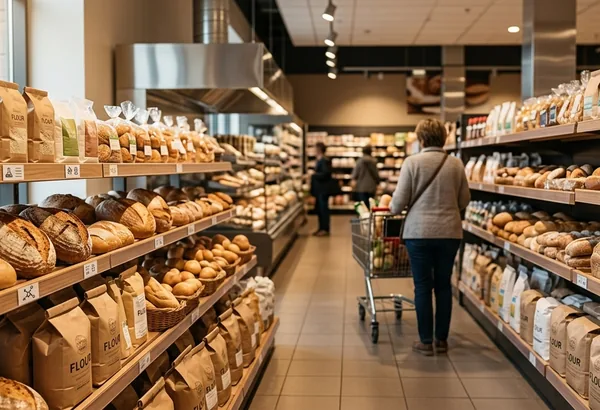
Bread Additives Banned in Europe but Still Legal in the U.S.
A focused guide to U.S. bread additives Europe rejected, including potassium bromate, azodicarbonamide, potassium iodate, and chemically bleached flour.
Food Policy Watch
Apr 29, 2026 | 9 min read
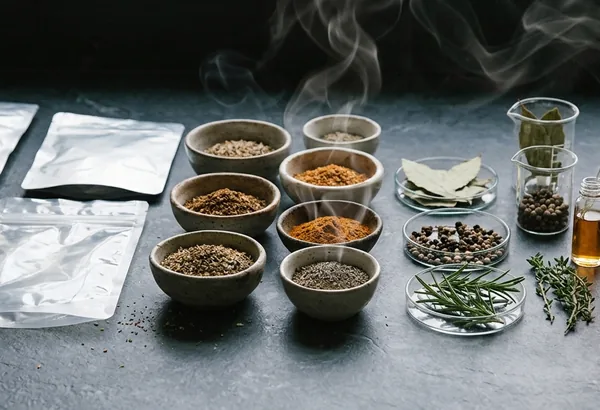
Flavor Chemicals Banned in Europe but Allowed in the U.S.
A careful guide to flavoring chemicals, smoke flavorings, and why natural flavors or artificial flavors can hide EU-vs-U.S. regulatory differences.
Food Policy Watch
Mar 9, 2026 | 10 min read
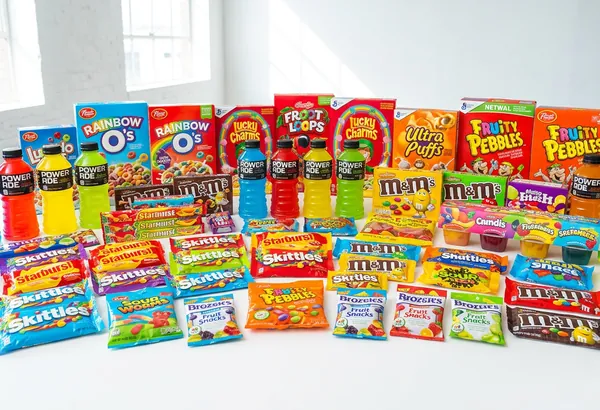
Red 40 & Yellow 5: The 6 Food Dyes the FDA Is Phasing Out
Red 40, Yellow 5, and 4 other petroleum-based dyes are being removed from US food by the FDA after decades of ADHD and hyperactivity concerns. Here's what's still in your pantry.
Ingredient Deep Dives
Apr 7, 2026 | 9 min read
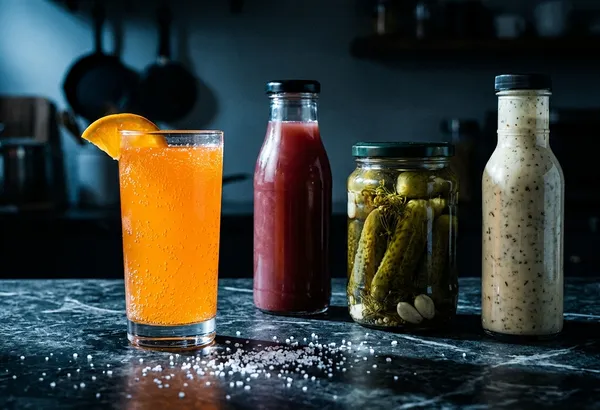
Preservative 211 / INS 211: Sodium Benzoate (E211)
Preservative 211, INS 211, and E211 are sodium benzoate. Learn where it appears, when vitamin C can form benzene, and which label names to check.

Ingredient Deep Dives
Mar 20, 2026 | 9 min read
Sucralose in Baking: What EFSA's 2026 Assessment Means for You
EFSA confirmed sucralose is safe in drinks and cold foods, but raised a serious flag for home baking — here's what the science says and what to use instead.

Ingredient Deep Dives
May 12, 2026 | 9 min read
Aspartame Safety: What the 2023 WHO Classification Means
Aspartame was classified as possibly carcinogenic by IARC in 2023, while JECFA kept the existing intake limit. Here is what that means for labels.
Ingredient Deep Dives
Apr 27, 2026 | 8 min read
MSG: The Flavor Enhancer Clean-Label Retailers Still Avoid
MSG remains legal and widely defended by mainstream regulators, but retailers like Aldi still treat it as an ingredient that clashes with a simpler private-label story.
Label Reading Guides
May 13, 2026 | 9 min read
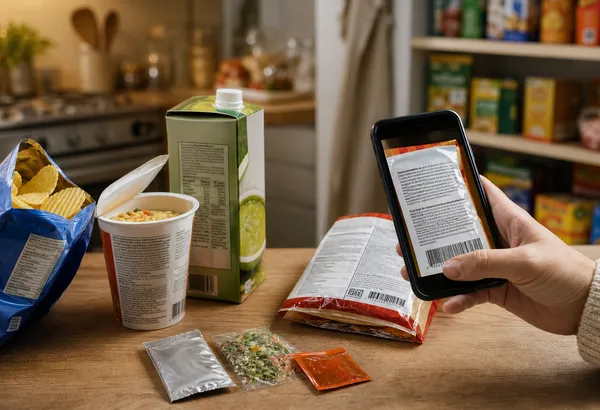
MSG-Free Food Scanner: Check Flavor Enhancers and Glutamate Clues
An MSG-free food scanner helps shoppers flag monosodium glutamate, E621, flavor-enhancer systems, and savory label clues against saved rules.
Label Reading Guides
May 9, 2026 | 9 min read
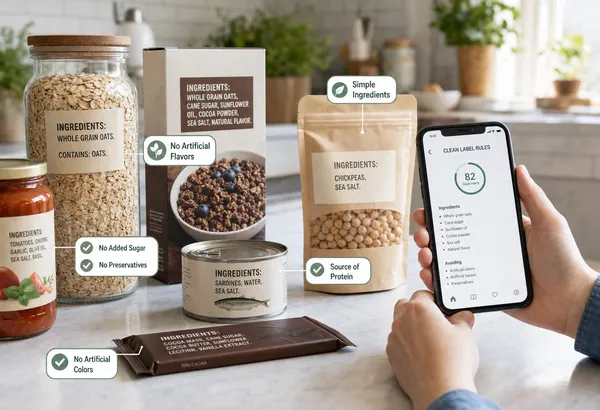
Clean Label Food Scanner: Check Additives and Ingredient Claims
A clean label food scanner helps shoppers review additive names, natural flavor claims, preservative wording, sweeteners, dyes, and saved ingredient preferences.
Ingredient Deep Dives
Apr 27, 2026 | 8 min read
Neotame: The Ultra-Potent Sweetener Most Shoppers Never Notice
Neotame is an ultra-potent sweetener used in tiny amounts, which is exactly why many shoppers never notice it on labels. Here is what it does and why Aldi wants it gone from store brands.
Ingredient Deep Dives
May 13, 2026 | 9 min read
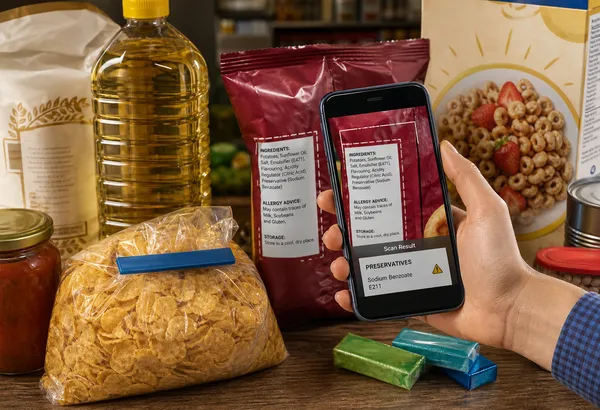
Propyl Gallate: The Antioxidant Preservative Nobody Talks About
Propyl gallate is an antioxidant preservative used to protect fats and oils from rancidity. Learn where it appears, how regulators treat it, and what to scan for.

Ingredient Deep Dives
May 13, 2026 | 10 min read
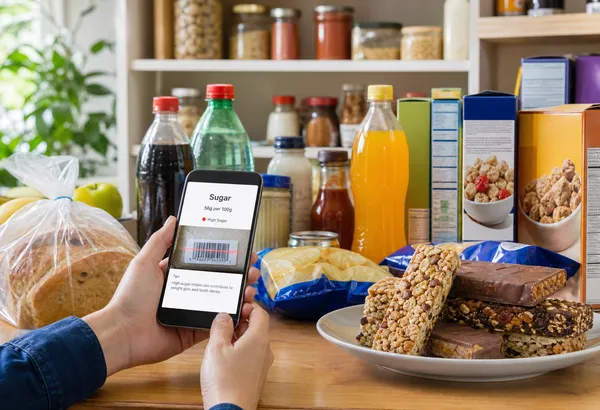
Phosphates in Food Additives: Meat, Cheese, and Kidney Health
Phosphate additives show up in meats, cheese, bakery mixes, colas, and processed foods. Learn the label names and why kidney-health shoppers often flag them.
Ingredient Deep Dives
May 13, 2026 | 9 min read
High-Fructose Corn Syrup: Label Names and How to Spot It
High-fructose corn syrup is only one of many added sugar terms on packaged food labels. Learn the label names, Nutrition Facts clues, and scanner rules.
Ingredient Deep Dives
May 13, 2026 | 9 min read
Maltodextrin: The Hidden Carb in Healthy Packaged Foods
Does maltodextrin count as added sugar? Learn how FDA label rules treat maltodextrin, which foods contain it, and why carb-aware shoppers flag it.
Ingredient Deep Dives
May 13, 2026 | 8 min read
TBHQ: The Preservative in Your Crackers and Cereal
TBHQ is an antioxidant preservative used to protect fats and oils in shelf-stable foods. Learn where it appears, what regulators say, and how to screen labels.
Label Reading Guides
May 13, 2026 | 9 min read
Sulfite-Free Scanner App: Check Sulfites and Preservative Clues
A sulfite-free scanner app helps shoppers flag sulfur dioxide, sodium sulfite, bisulfite, metabisulfite, and sulfite label declarations against saved rules.
Ingredient Deep Dives
Apr 27, 2026 | 8 min read
Olestra: The Fat Substitute People Forgot About
Olestra was once sold as the future of guilt-free snack food. It is now mostly remembered as a warning-label-era experiment that retailers still prefer to avoid.
Ingredient Deep Dives
Apr 27, 2026 | 8 min read
Morpholine: The Fruit-Coating Chemical Most Shoppers Never Notice
Morpholine is a produce-coating chemical most shoppers never expect to encounter in the additive conversation. That is exactly why it strengthens the Aldi restricted-ingredients cluster.
Ingredient Deep Dives
May 1, 2026 | 11 min read
PEG Allergy: Why This Hidden Ingredient Is Harder to Avoid Than You Think
PEG allergy is rare but potentially severe. Polyethylene glycol hides under dozens of names in medications, cosmetics, and even food. Learn the symptoms, how it's diagnosed, and why reading labels is not enough.
Ingredient Deep Dives
Sep 5, 2026 | 9 min read
PGPR in Chocolate: E476, Texture, and Ingredient Sources
Understand why chocolate contains PGPR, what E476 means, and which sourcing questions an ingredient list can and cannot answer.

Ingredient Deep Dives
Sep 5, 2026 | 8 min read
DATEM in Bread: E472e, Dough Strength, and Vegan Sources
Decode DATEM on bread labels, understand its dough-conditioning role, and separate ingredient sourcing from blanket claims about bans or safety.
Ingredient Deep Dives
Sep 5, 2026 | 8 min read
Gellan Gum in Plant-Based Milk: Uses and Vegan Status
Find out why plant-based drinks use gellan gum, what fermentation means for vegan sourcing, and how to compare cartons without confusing stability with nutrition.
Ingredient Deep Dives
Sep 5, 2026 | 8 min read
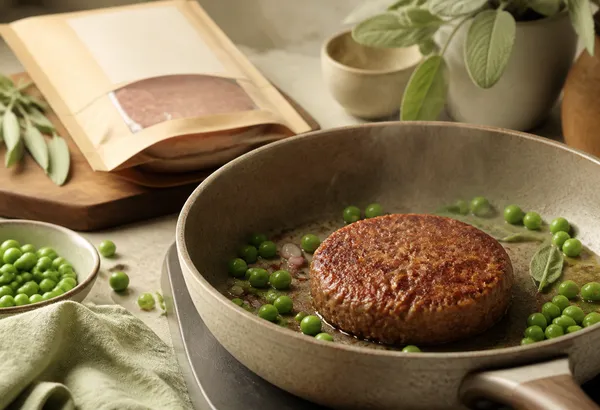
Methylcellulose in Food: Why Plant-Based Burgers Use E461
Learn how methylcellulose helps a plant-based burger hold together, why E461 differs from cellulose gum, and what its name does not prove about a product.
Sep 23, 2026 | 8 min read
Breakfast Cereals Without BHA, BHT or TBHQ: Verified Options
Compare exact Cheerios and Nature’s Path cereals whose ingredient panels omit BHA, BHT and TBHQ, with tocopherol, wheat and packaging caveats.
Sep 23, 2026 | 8 min read
Yogurts Without Carmine: Verified Fruit-Flavored Options
Compare four specific fruit-flavored yogurts whose manufacturer labels omit carmine, with flavor, size, color ingredients and vegetarian caveats.
Sep 12, 2026 | 9 min read
Perimenopause Diet: Trigger Foods and Nutrients That Help
There is no official list of foods to avoid in perimenopause. Here is what the evidence says about caffeine, alcohol, spicy food and sugar, which nutrients matter, and how to find your own triggers.
Sep 10, 2026 | 8 min read
Candy Without Red 40: Options and Other Colors to Check
Compare specific YumEarth and UNREAL candies without Red 40, including their alternative colors and the separate sugar, peanut and ingredient checks that matter.
Sep 10, 2026 | 8 min read
Chocolate Without Soy Lecithin: Bars and Baking Options
Compare chocolate bars and baking morsels without soy lecithin, with manufacturer evidence and separate checks for soy cross-contact, milk and other allergens.
Sep 10, 2026 | 8 min read
Coffee Creamers Without Carrageenan: Verified Options
Compare specific nutpods and Califia creamers with ingredient lists that omit carrageenan, including sweetened, unsweetened and other-gum distinctions.
Sep 10, 2026 | 11 min read
Gum Without Aspartame: 8 Options and Sweeteners Compared
Compare eight exact gum options from PUR, Simply Gum, Spry, Epic and Zellie's, separating sugar-free xylitol formulas from regular cane-sugar gum.
Sep 10, 2026 | 12 min read
Peanut Butter Without Palm Oil: 8 Products Compared
Compare eight exact peanut butter varieties across six brands, including peanuts-only, salted and stabilized options without listed palm oil.
Sep 5, 2026 | 9 min read
Mixed Tocopherols in Food: Vitamin E and Preservation
Understand why mixed tocopherols preserve fats, how that differs from vitamin E nutrition, and which source questions matter when avoiding soy.
Sep 5, 2026 | 9 min read
Soluble Corn Fiber in Protein Bars: Carbs and Label Claims
Compare protein bars containing soluble corn fiber using the full carbohydrate panel, serving size, ingredient identity, and your tolerance rather than a net-carb headline.
Aug 23, 2026 | 9 min read
Modified, Native and Pregelatinized Starch Compared
Compare native, modified, and pregelatinized starch, learn what each label term reveals, and see when source or gluten questions require a closer check.
Aug 14, 2026 | 8 min read
EU BPA Food Packaging Rules: What Changed in July 2026
The EU's BPA food-contact restriction reached a major transition date on July 20, 2026. Learn which materials are covered, what exceptions remain, and why ingredient labels cannot show BPA.
Jul 30, 2026 | 9 min read
Dimethylpolysiloxane in Food: What an Anti-Foaming Agent Does
Learn why dimethylpolysiloxane is used to control foam, where food rules permit it, how E900 and INS 900a relate, and when it may appear on a label.
Jul 30, 2026 | 9 min read
Nisin vs Natamycin: Preservatives in Cheese and Bakery Foods
Compare nisin and natamycin by antimicrobial target, U.S., EU, and Canadian permissions, E-number, food use, and ingredient-label wording.
Jul 30, 2026 | 9 min read
Silicon Dioxide vs Calcium Silicate: Anti-Caking Agents
Compare silicon dioxide with calcium silicate by identity, anti-caking function, E-number, U.S. limits, and the evidence an ingredient label does not provide.
Jul 28, 2026 | 9 min read
Annatto vs Paprika Extract vs Beta-Carotene: Food Colors
Compare three yellow-to-orange food colors by source, pigments, processing, U.S. and EU label names, and the questions a package cannot answer.
Jul 28, 2026 | 9 min read
Potassium Sorbate vs Sorbic Acid: E200-E203 Explained
Compare sorbic acid with potassium, sodium, and calcium sorbates by chemistry, preservative function, E-number, permitted use, and label wording.
Jul 28, 2026 | 9 min read
Yeast Extract vs Autolyzed Yeast vs MSG: Label Terms Compared
Compare yeast extract, autolyzed yeast, and monosodium glutamate by source, production, function, and the exact words that appear on packaged-food labels.
Jul 27, 2026 | 10 min read
What Food Label Translation Apps Miss: Allergens, Aliases, and May Contain Warnings
Learn why readable words are not the same as a complete food-label decision, including missed sub-ingredients, aliases, warnings, additive codes, and uncertain sources.
Jul 25, 2026 | 9 min read
Cultured Wheat Flour: Preservative, Gluten Source, or Both?
Learn why cultured wheat flour appears in bread, what culturing changes, and why its preservative function does not automatically remove wheat or gluten.
Jul 22, 2026 | 8 min read
Are E627, E631, and E635 Vegan? Sources Explained
E627, E631, and E635 may come from fermentation or animal materials. Learn what these flavor enhancers mean and how vegan shoppers can verify them.
Jul 22, 2026 | 8 min read
Is Smoke Flavor Vegan? Natural and Liquid Smoke Sources
Smoke flavor and liquid smoke usually begin with wood smoke, but compound flavor systems can include carriers and other ingredients. Learn what labels reveal.
Jul 21, 2026 | 9 min read
Are Beer and Wine Vegan? Isinglass and Animal Finings
Beer and wine may use fish, egg, milk, or gelatin fining agents that never appear on the label. Learn which production questions and certifications help.
Jul 21, 2026 | 9 min read
Is Glycerin Vegan? Glycerol and E422 Sources Explained
Glycerin can come from vegetable oils, animal fats, fermentation, or synthetic production. Learn what E422 reveals and how to verify its source.
Jul 21, 2026 | 8 min read
Is Lactic Acid Vegan? E270 and Lactate Sources Explained
Lactic acid usually comes from carbohydrate fermentation, not milk, but feedstocks and derivatives vary. Learn how to assess E270 and lactates.
Jul 21, 2026 | 8 min read
Is Stearic Acid Vegan? Stearates, E570 and E572 Explained
Stearic acid and stearates may begin with plant oils or animal fats. Learn what E570 and E572 mean and how to verify source-dependent labels.
Jul 21, 2026 | 8 min read
Is Sugar Vegan? How Is Bone Char Used in Refining?
Sugar starts with plants, but some cane refineries use animal-derived bone char as a processing aid. Learn which labels help and how to verify a brand.
Jul 19, 2026 | 8 min read
Confectioner's Glaze: Is Shellac (E904) Vegan or Not?
Confectioner's glaze is usually shellac, an insect-derived coating also called E904. Learn where it appears, its aliases, and vegan alternatives.
Jul 19, 2026 | 8 min read
Enzymes on Food Labels: Animal Rennet or Microbial?
The word enzymes can describe animal rennet, microbial chymosin, plant enzymes, or processing aids. Learn how to verify cheese and packaged foods.
Jul 19, 2026 | 8 min read
L-Cysteine: Is This Common Dough Conditioner Vegan?
L-cysteine can be produced from animal keratin or microbial fermentation. Learn why E920 appears in bread and how to verify its source.
Jul 19, 2026 | 8 min read
Mono and Diglycerides: Are They Vegan or Vegetarian?
Mono- and diglycerides can come from plant or animal fats, but the label rarely identifies the source. Learn what E471 means and how to verify it.
Jul 16, 2026 | 9 min read
Foods With Polysorbate 80: Products and Label Guide
Find the food categories where polysorbate 80 may appear, learn its label names, and use a practical product-check routine without treating a category as proof.
Jul 16, 2026 | 9 min read
Foods With Yellow 5: Tartrazine Labels and Checklist
Find the product categories where Yellow 5 may appear, recognize tartrazine and E102, and use a practical label checklist as dye policies and recipes change.
Jul 13, 2026 | 12 min read
Banned Ingredients by the US FDA: The Definitive 21 CFR 189 List
Unlike most of the world, the FDA keeps an explicit list of substances prohibited from human food. Here is the full 21 CFR Part 189 list plus the additives and flavorings the FDA has since revoked, with the label names to watch for.
Jul 2, 2026 | 9 min read
Dubai Chocolate Recall Risk: What 44 of 45 UK Tests Revealed
The UK's Food Standards Agency tested 45 samples of viral Dubai-style chocolate and found only one that met basic labeling and safety requirements. Here's what went wrong and why imported viral foods keep slipping past allergen checks.
Jun 30, 2026 | 9 min read
FDA Food Dye Phase-Out Tracker: Brand Pledges and Deadlines
Track FDA food dye phase-out actions and company pledges, distinguish voluntary targets from revocations, and check reformulated labels.
Jun 30, 2026 | 9 min read
The GRAS Loophole: How 10,000 Food Additives Bypass FDA Review
A little-known regulatory pathway lets food companies add thousands of ingredients to your food without any FDA safety review. Here is how GRAS works, why it matters, and what is changing.
Jun 29, 2026 | 8 min read
Foods With BHA, BHT, and TBHQ: A Label Guide for Shoppers
Learn which pantry categories commonly deserve a BHA, BHT, or TBHQ check, recognize their label names, and compare preservative rules without alarmism.
Jun 26, 2026 | 13 min read
Swaminarayan Diet Guide: Onion, Garlic, and Hidden Animal Ingredients on Food Labels
A guide to the Swaminarayan diet's satvik food principles, its no-meat, no-onion-garlic, no-alcohol rules, and how to spot hidden allium, animal, and alcohol-derived ingredients on packaged food labels.
Jun 25, 2026 | 13 min read
Pollo Pescatarian Diet Guide: Cutting Red Meat While Keeping Poultry and Seafood
Pollo pescatarians eat chicken, turkey, fish, and shellfish but cut out beef, pork, and lamb entirely. The catch is that red-meat derivatives, gelatin, lard, tallow, and hidden beef stock, still turn up in products that look poultry- or seafood-based.
Jun 24, 2026 | 13 min read
Pollotarian Diet Guide: Reading Labels When Poultry Is In but Red Meat Is Out
Pollotarians eat chicken, turkey, and duck but avoid beef, pork, and lamb. The catch is that red-meat derivatives like gelatin, lard, tallow, and beef bouillon show up in products that look poultry-based or plant-based on the front of the package.
Jun 23, 2026 | 13 min read
Lacto-Ovo Vegetarian Diet Guide: The Full Dairy-and-Egg Vegetarian Standard Explained
Lacto-ovo vegetarian is the diet most people mean when they say 'vegetarian': no meat, poultry, or fish, but dairy and eggs are both allowed. The real risk is the animal-derived ingredients that are neither.
Jun 22, 2026 | 13 min read
Ovo Vegetarian Diet Guide: Hidden Dairy Names When Eggs Are Still on the Menu
Ovo vegetarians eat eggs but exclude every form of dairy, which makes casein, whey, ghee, and the 'non-dairy' labeling loophole the real label-reading challenge, not meat.
Jun 21, 2026 | 13 min read
Lacto Vegetarian Diet Guide: Hidden Egg Derivatives in a Dairy-Friendly Diet
Lacto vegetarians eat dairy freely but exclude eggs entirely, and packaged food rarely makes that distinction obvious. Albumin, lysozyme, and egg lecithin hide inside products labeled simply as vegetarian.
Jun 20, 2026 | 12 min read
Nightshades Dietary Guide: Solanine, Hidden Spices, and the Truth About Inflammation
An encyclopedic guide to nightshade vegetables covering the full Solanaceae family, solanine and glycoalkaloid safety thresholds, the arthritis-inflammation claim examined against the evidence, and every hidden nightshade source in spices and processed foods.
Jun 19, 2026 | 14 min read
Preservatives Dietary Guide: Sulfites, Benzoates, Nitrites, and the E-Numbers Hiding in Your Pantry
An encyclopedic guide to chemical food preservatives covering antioxidants (BHA, BHT, TBHQ), benzoates, sulfites, nitrates and nitrites, propionates, and parabens, with every E-number, hidden label name, and the US vs EU regulatory gaps between them.
Jun 17, 2026 | 9 min read
Food Preservatives Linked to Hypertension: What a New Study Found
A large French cohort study following more than 112,000 adults found that people eating the most nitrites, sulfites, and sorbates had a 29% higher risk of developing high blood pressure. Here's what the preservatives are, where they hide, and what the research does and doesn't prove.
Jun 16, 2026 | 9 min read
What Does 'May Contain Traces Of' Mean on Food Labels?
Phrases like 'may contain traces of nuts' or 'made on shared equipment with milk' feel like a warning, but almost nowhere in the world are they actually regulated. Here's what these labels really mean and how allergists say to read them.
Jun 15, 2026 | 10 min read
What Are Natural Flavors? The Vague Label Term, Decoded
'Natural flavors' appears on thousands of products, yet the term reveals almost nothing about what is inside. Here is what it legally means, and what it hides from allergy sufferers, vegans, and everyone else.
Jun 14, 2026 | 12 min read
Arsenic in Rice and Baby Food: What Parents Should Know
Learn why rice can contain inorganic arsenic, what FDA's infant-cereal action level means, what labels cannot reveal, and how grain variety can reduce repeated exposure.
Jun 13, 2026 | 11 min read
PEG Allergy Dietary Guide: Macrogol, E1521, and the Hidden Excipient
Polyethylene glycol is not one of the regulated food allergens, so it never triggers a 'Contains' warning. It hides in supplement coatings, tabletop sweeteners, laxatives, and medications under names like macrogol, E1521, and PEG 3350.
Jun 12, 2026 | 15 min read
Alpha-Gal Syndrome Dietary Guide: Every Mammal-Derived Ingredient Hidden on Labels
An encyclopedic dietary guide to managing alpha-gal syndrome covering all mammal-derived meats, dairy, gelatin, animal fats, hidden additives, medication capsules, and the US labeling gap that leaves most alpha-gal ingredients undisclosed.
Jun 11, 2026 | 11 min read
Buddhist Diet Guide: Pungent Vegetables, Alcohol Derivatives, and Animal Ingredients in Packaged Foods
Buddhist dietary rules vary significantly by tradition. Many traditions prohibit meat, fish, and eggs. Most East Asian Buddhist traditions also prohibit the five pungent vegetables: garlic, onion, leek, chive, and shallot: which appear as powders and extracts in nearly all savory packaged foods.
Jun 11, 2026 | 11 min read
Ital Diet Guide: Artificial Additives, Pork Derivatives, Salt, and Natural Food Label Reading
Ital is the Rastafari approach to food: natural, unprocessed, and free from pork, artificial additives, preservatives, and salt. Reading ingredient labels for Ital compliance means identifying dozens of additive categories and animal derivatives that hide in otherwise plant-forward products.
Jun 11, 2026 | 11 min read
Jain Diet & Food Restrictions: Root Vegetables and Labels
Jain diet food restrictions list: root vegetables like onion, garlic, potato, and carrot, plus eggs, meat, fermented foods, and hidden label ingredients.
Jun 11, 2026 | 11 min read
Pescatarian Diet Guide: Hidden Meat Derivatives, Animal Fat, and Gelatin on Food Labels
Pescatarians avoid meat but allow fish and seafood. The challenge is that meat-derived ingredients: lard, tallow, gelatin, animal rennet, carmine, and meat-based broths: appear in products that seem fish-free or plant-forward.
Jun 10, 2026 | 11 min read
Kosher Diet Guide: Certification Marks, Milk-Meat Separation, and Hidden Non-Kosher Ingredients
Kosher dietary law covers far more than pork and shellfish. The milk-meat separation rules, insect checks in produce, wine and grape product requirements, and dozens of non-kosher additives make ingredient label reading essential for observant consumers.
Jun 9, 2026 | 12 min read
Lactose Intolerance Dietary Guide: Hidden Dairy Names, Lactose-Free Labels, and the EU-US Divide
An encyclopedic guide to lactose intolerance covering genetics, molecular biology, global prevalence, diagnostic methods, hidden dairy ingredients, regulatory differences, and actionable label-reading strategies.
Jun 8, 2026 | 10 min read
Lupin Allergy Dietary Guide: The Peanut Cross-Reactor and Every Hidden Name on Labels
Lupin is a major allergen in the EU but not in the US. It appears in gluten-free pasta, baked goods, and snack foods under names that most consumers do not recognize. For individuals with peanut allergy, lupin poses a significant cross-reactivity risk.
Jun 8, 2026 | 11 min read
Mustard Allergy Dietary Guide: Why Spices Can Mean Mustard in the US
Mustard is a top-four food allergen in France and a mandatory labeled allergen in the EU and Canada, but the US does not classify it as a major allergen. It can legally be hidden under 'spices' or 'natural flavors' on American food labels.
Jun 8, 2026 | 12 min read
Sulphite Allergy Dietary Guide: 10 PPM Rule & E-Numbers
Sulphite Allergy Dietary Guide to the 10 ppm labeling rule, E220-E228, sulphite sensitivity symptoms, and foods like dried fruit, wine, shrimp, and bottled lemon juice.
Jun 8, 2026 | 13 min read
Tree Nut Allergy Dietary Guide: Which Nuts the FDA Regulates and How to Spot Them on Labels
Tree nut allergy affects around 1% of Americans and is lifelong in over 90% of cases. The 12 FDA-regulated tree nuts each hide under multiple names — and a January 2025 regulatory update removed several nuts from the mandatory disclosure list entirely.
Jun 7, 2026 | 11 min read
Sesame Allergy Dietary Guide: What the FASTER Act Changed (and the Bakery Loophole)
Sesame became the 9th major US food allergen in 2023 under the FASTER Act. But some bakeries responded by intentionally adding sesame flour to avoid cleaning their production lines, and sesame hides under more aliases than almost any other seed.
Jun 7, 2026 | 11 min read
Soy Allergy Dietary Guide: 30+ Ingredient Names That Mean Soy on Labels
Soy is one of the most widely used food ingredients in the American diet, appearing in deli meats, canned tuna, baked bread, and fast food under names most shoppers never associate with soybeans.
Jun 7, 2026 | 11 min read
Wheat Allergy Dietary Guide: Gluten, Wheat Starch, and the FALCPA Loophole
Wheat is one of the nine major allergens under FALCPA, but the law creates a unique loophole for highly processed wheat derivatives. Wheat allergy is distinct from celiac disease and gluten sensitivity, yet all three conditions require careful label reading.
Jun 6, 2026 | 10 min read
Crustacean Shellfish Allergy Dietary Guide: Shrimp, Crab, Lobster, and Every Hidden Name on Labels
Crustacean shellfish allergy is one of the most common adult-onset food allergies and is typically lifelong. Shrimp, crab, and lobster hide under multiple names, and shellfish-derived ingredients appear in unexpected products.
Jun 6, 2026 | 10 min read
Molluscs Allergy Dietary Guide: Oysters, Clams, Mussels, and the US Labeling Gap
Mollusks are not classified as major allergens under US law, creating a significant labeling gap. Oysters, clams, mussels, and scallops hide in sauces, broths, and processed foods without mandatory disclosure.
Jun 6, 2026 | 11 min read
Peanut Allergy Dietary Guide: Hidden Ingredients, Label Rules, and Safe Foods
An estimated 4.6 million US adults have peanut allergy, yet peanuts appear on labels under more than 20 different names — and some products with peanut-derived ingredients are never required to say so.
Jun 5, 2026 | 11 min read
Celery Allergy Dietary Guide: How Uncured Meats Hide Celery Powder
Celery is a top food allergen in Europe and must appear in bold on EU labels, but the US does not classify it as a major allergen. The biggest hidden risk: celery powder is used as a natural curing agent in bacon, salami, and hot dogs labeled 'uncured.'
Jun 5, 2026 | 11 min read
Egg Allergy Dietary Guide: Decoding Albumin, Lysozyme, and Sneaky Egg Sources
Egg allergy affects around 2% of US children and hides under 20+ ingredient names. One egg protein — ovomucoid — survives baking and remains a risk even in cooked products.
Jun 5, 2026 | 10 min read
Fish Allergy Dietary Guide: Worcestershire Sauce, Caesar Dressing, and Other Surprises
Fish allergy is one of the most persistent food allergies and often develops in adulthood. The species must be named on the label — but fish hides in Worcestershire sauce, Caesar dressing, beer, and a dozen other products where shoppers don't expect it.
Jun 5, 2026 | 9 min read
Fly By Jing Recall: The Shared Equipment Peanut Risk Explained
The May 2026 Fly By Jing sesame noodle recall revealed how shared manufacturing equipment can silently introduce peanuts into products that list no peanut ingredients — a systemic problem that trips up even careful label readers.
Jun 5, 2026 | 12 min read
Milk Allergy Dietary Guide: Casein, Whey & Hidden Dairy
Milk Allergy Dietary Guide to casein, whey, lactose, non-dairy labels, goat and sheep milk cross-reactivity, and every hidden dairy name to check on labels.
Jun 4, 2026 | 11 min read
The Link Between Salicylate Sensitivity and Aspirin Intolerance
The same enzyme inhibited by aspirin is also blocked by blueberries, paprika, and wine. For millions with AERD, a plate of healthy food can trigger the same cascade as a pill.
Jun 4, 2026 | 10 min read
What Causes Salicylate Sensitivity? Gut Health and Genetics
Salicylate sensitivity isn't random. A gene variant carried by 1 in 3 people reduces the enzyme that clears salicylates, while gut dysbiosis amplifies the load. Here's the science.
Jun 3, 2026 | 9 min read
Alpha-Gal Syndrome: The Tick Bite That Makes Red Meat Dangerous
A lone star tick bite can trigger alpha-gal syndrome, a serious and often misdiagnosed allergy to red meat, dairy, and hidden mammal-derived ingredients. Here is what to know, including a new treatment gaining attention.
Jun 3, 2026 | 9 min read
MOSH and MOAH: The Petroleum Residues Found in Your Pantry
Mineral oil hydrocarbons from recycled cardboard packaging and food processing machinery are turning up in cereals, pasta, vegetable oils, and spices. EFSA's 2023 risk assessment found one type may be genotoxic and carcinogenic, and the EU is now moving to set limits.
Jun 2, 2026 | 10 min read
The Rise of Precision Fermentation: How to Read the Labels
Precision fermentation-derived ingredients are already in US grocery stores, and most labels don't make them obvious. Here's what the technology produces, which products contain it, and what to look for.
Jun 2, 2026 | 9 min read
What's Changing on Food Labels in 2026: FDA's New Rules
Four significant FDA food labeling developments are reshaping what you see on packaging in 2026, from a redefined 'healthy' claim to a court ruling that may force bioengineered disclosures on refined oils.
Jun 1, 2026 | 9 min read
Lupin Allergy: The Peanut Cross-Reactor Not on US Labels
Lupin flour is gaining traction as a gluten-free, high-protein ingredient. For people with peanut allergies, it carries a hidden risk — and the US does not require it to be labeled as an allergen.
May 31, 2026 | 9 min read
Carmine Color (E120): Insect Dye, Safety, and Foods
Carmine color, E120, and cochineal extract are red dyes made from insects. See foods with carmine, allergy risk, and labels to check.
May 30, 2026 | 9 min read
Polysorbate 80: What This Common Emulsifier Does to Your Gut
Polysorbate 80 keeps your ice cream smooth and your salad dressing from separating. A growing body of research suggests it may also be quietly reshaping your gut microbiome.
May 29, 2026 | 12 min read
Decoding Every Common Food Additive: The Master List
A plain-English guide to the most common food additives by category, what the science says about each, and which ones the EU has banned while the US still allows.
May 29, 2026 | 9 min read
How to Spot Corn Syrup: Every Name It Hides Under
High fructose corn syrup hides behind at least 12 names on ingredient lists, including some that can appear even on products labeled 'no HFCS.' Here's every alias to know.
May 28, 2026 | 12 min read
Halal Diet Guide: E-Numbers, Gelatin & Alcohol
Halal Diet Guide to pork-derived E-numbers, gelatin, alcohol in flavours, certification marks, and the packaged-food label checks halal shoppers need.
May 27, 2026 | 11 min read
Vegetarian Diet Guide: Rennet, Gelatin, L-Cysteine, and Every Hidden Animal Ingredient on Labels
Vegetarian diets exclude meat but the ingredient list hides animal derivatives in unexpected places. Rennet in cheese, gelatin in capsules, isinglass in wine, and L-cysteine in bread are invisible to most shoppers.
May 26, 2026 | 9 min read
FDA's 'No Artificial Colors' Has a New Meaning in 2026
In February 2026, the FDA issued guidance that allows products containing non-certified color additives — including titanium dioxide, which is banned in the EU — to carry a 'no artificial colors' claim. Here's what changed, what it means, and how to read past the label.
May 25, 2026 | 9 min read
India Bans Ashwagandha Leaves: What Wellness Shoppers Need to Know
India's FSSAI issued a firm advisory in April 2026: only ashwagandha roots are permitted in food products, not leaves. Here's why the distinction matters, what makes leaf extracts riskier, and how to read labels to know what you're actually buying.
May 23, 2026 | 9 min read
New York's Potassium Bromate Ban: What It Means for Your Bread
New York's legislature passed a bill banning potassium bromate from all food sold in the state. Here's what the law does, why this additive is controversial, and what consumers should check on labels right now.
May 23, 2026 | 9 min read
Potassium Bromate vs Bromated Flour: Label Guide
Potassium bromate and bromated flour are connected but not identical. Use this label guide to understand the wording, rules, and bread-aisle checks.
May 22, 2026 | 10 min read
Cellulose Gum: The Food Additive Researchers Can't Stop Studying
Carboxymethylcellulose (CMC), listed as cellulose gum on ingredient labels, is one of the most common emulsifiers in processed food. A growing body of research links it to gut microbiome disruption and chronic inflammation.
May 22, 2026 | 9 min read
Guar Gum: From Ice Cream to Baby Formula, What to Know
Guar gum is one of the most common thickeners in processed food. A 2024 EFSA re-evaluation and a 2026 EU regulation have now removed it from infant formula — here's what consumers need to know.
May 21, 2026 | 9 min read
E. coli in Organic Microgreens: What Canada's 2026 Recalls Show
Three separate organic microgreen recalls hit Canada in May 2026. The organic label, the health halo, and the superfood status offered no protection against pathogenic E. coli.
May 21, 2026 | 9 min read
Microplastics in Food: What EFSA's Research Actually Tells Us
EFSA published its latest research on microplastics from food packaging in 2025 and will publish full scientific advice by 2027. Here is what the evidence actually shows — and what you can do now.
May 20, 2026 | 10 min read
PFAS in Food Packaging: What the August 2026 EU Ban Means for You
The EU bans PFAS in food-contact packaging from August 12, 2026. Here is what forever chemicals are, which products are affected, and what it means for everyday shoppers.
May 20, 2026 | 9 min read
Tahini and Salmonella: The Hidden Risk in a Pantry Staple
Tahini has been recalled for Salmonella more times than most foods. Here is why sesame paste is uniquely vulnerable to contamination and how to protect yourself.
May 19, 2026 | 9 min read
Cereulide in Infant Formula: What Parents Need to Know
A contaminated ARA oil ingredient from China triggered a global wave of infant formula recalls across Europe and the US in late 2025 and 2026. Here's what cereulide is, why it is dangerous for infants, and what the delayed regulatory response revealed.
May 18, 2026 | 8 min read
Glycerol in Slush Drinks: A Hidden Risk for Young Children
EFSA's May 2026 assessment found that a single slush drink can push young children over the safe threshold for glycerol — a sweetener that replaced sugar but carries its own acute risks for children under seven.
May 17, 2026 | 8 min read
Hidden Fish in Pesto: What the Filippo Berio Recall Tells Us
A May 2026 UK recall of Filippo Berio Hot Chilli Pesto over undeclared fish highlights a wider pattern: fish allergens hide in condiments, sauces, and pastes that most shoppers would never suspect contain any seafood at all.
May 16, 2026 | 11 min read
Vegan Diet Guide: Hidden Animal Derivatives, E-Numbers, and Every Non-Vegan Ingredient on Labels
Veganism goes far beyond avoiding obvious meat and dairy. Animal-derived ingredients appear on labels under dozens of E-numbers, technical names, and processing agent disclosures that most consumers never learn to recognize.
May 15, 2026 | 10 min read
Enoki Mushrooms and Listeria: Why These Imports Keep Getting Recalled
Two more enoki mushroom recalls hit the FDA list on May 14, 2026, continuing a pattern that began with a multistate outbreak in 2020. Here is why these delicate mushrooms pose a persistent Listeria risk and what consumers should know.
May 15, 2026 | 10 min read
The 2026 State Food Ingredient Ban Wave: What Consumers Should Know
Fourteen states are considering bills to ban or restrict food dyes and additives in 2026. Here is a breakdown of what ingredients are targeted, which states are leading, and what this patchwork of laws means for what is on your grocery shelves.
May 11, 2026 | 9 min read
Botulism in Packaged Foods: What the 2026 Recall Reveals About Food Safety Gaps
A May 2026 recall of kippered herring for potential Clostridium botulinum contamination highlights a rare but deadly food safety threat. Here's what botulism is, how it gets into packaged foods, and how to spot the signs.
May 10, 2026 | 9 min read
The Milk Powder Recall Cascade: How One Contaminated Ingredient Hit National Brands
A single contaminated batch of milk powder from California Dairies triggered recalls across Utz potato chips, Ghirardelli beverages, Pork King Good pork rinds, Aldi pizzas, and more. Here is how ingredient supply chains spread food safety risk.
May 9, 2026 | 9 min read
Alkaline Water: Health Trend or Misleading Label?
FSSAI seized misbranded alkaline water in India this month. What actually is alkaline water, what does the science say about its claims, and how are regulators around the world responding to the trend?
May 8, 2026 | 10 min read
Undeclared Allergens: Why Food Recalls Keep Missing the Label
Nearly half of all food recalls involve undeclared allergens. Here's why the problem persists despite decades of regulation, and what it means for the 22 million Americans with food allergies.
May 7, 2026 | 10 min read
FRESH Act 2026: What the Proposed FDA Reform Means for Your Food
A sweeping draft bill would reshape how the FDA regulates food ingredients. Here's what the FRESH Act proposes, who supports it, who opposes it, and what it means for shoppers.
May 5, 2026 | 9 min read
Pesticide Residues in EU Food: EFSA's 2024 Report Explained
EFSA published its 2024 EU pesticide residues report in May 2026 across 125,000 samples. Here is what compliance rates, border checks, and residue trends mean for everyday shoppers.
May 3, 2026 | 10 min read
The Science of Food Scanning: How OCR Technology Protects Your Gut
How modern food scanning apps actually read a label, why barcodes alone are not enough, and what the latest gut microbiome research tells us about acting on the result.
Apr 29, 2026 | 9 min read
Certified Gluten-Free vs Gluten-Free: What Celiacs Should Trust
A celiac-focused guide to certified gluten-free marks, FDA gluten-free claims, advisory labels, oats, and wheat-starch nuance.
Apr 29, 2026 | 10 min read
Cottage Food Labels and Major Allergens: What to Check
Cottage food labels can look informal, but allergen information still matters. Learn how state rules, FDA Big 9 allergens, and retail label checks fit together.
Apr 28, 2026 | 8 min read
Aluminum-Based Food Additives: Why Aldi Flags Baking-Powder Chemistry
Aldi flags several aluminum-based baking and firming salts separately. Here is what these additives do and why they read as a clean-label problem even when shoppers rarely know the chemistry.
Apr 28, 2026 | 8 min read
Benzoate Preservatives: Why Aldi Flags Potassium Benzoate
Potassium benzoate is the Aldi list entry, but shoppers usually need the larger benzoate family context. Here is why these preservatives still matter on modern labels.
Apr 28, 2026 | 8 min read
Bromates in Food: Why Aldi Still Flags Multiple Bread Additives
Aldi flags potassium bromate, calcium bromate, and bromated flour separately. Here is why shoppers need the grouped bromate picture, especially in bread and baking products.
Apr 28, 2026 | 8 min read
Partially Hydrogenated Oils and Trans Fat: The Aldi Legacy Cleanup
Aldi's older restricted list names both partially hydrogenated oils and synthetic trans fat. Here is why that double wording still matters even after the main U.S. trans fat cleanup.
Apr 28, 2026 | 8 min read
Sodium Hydroxide and Lye in Food: Why Aldi Flags These Processing Aids
Sodium hydroxide and lye sound alarming on an ingredient list, but their real story is about processing, not a headline ban. Here is why Aldi flags both names anyway.
Apr 28, 2026 | 8 min read
Sulfites in Food: Why Aldi Flags Multiple Sulfite Additives Separately
Aldi lists potassium bisulfite and potassium metabisulfite separately, but shoppers usually need the bigger sulfite picture. Here is what sulfites do, where they appear, and why this family matters.
Apr 27, 2026 | 8 min read
Acesulfame K: The Artificial Sweetener Aldi No Longer Wants
Acesulfame potassium still shows up in zero-sugar drinks, protein products, and gum even as retailers like Aldi move away from it. Here is what it does and why clean-label standards keep targeting it.
Apr 27, 2026 | 11 min read
ALDI Restricted Ingredients List: All 57 Ingredients
ALDI says its private-label food, vitamin, and supplement products will exclude 57 restricted ingredients by the end of 2027. Here is the full list, grouped and normalized for shoppers.
Apr 27, 2026 | 8 min read
BHT: The Preservative That Usually Travels With BHA
BHT often appears next to BHA in cereals, snacks, and oils. Here is what it does, why Aldi excludes it, and why shoppers should treat the pair as a broader preservative pattern.
Apr 27, 2026 | 8 min read
What Is Blue 1? Blue #1 Food Dye, Uses, and Labels
What is Blue 1 or Blue #1? Learn what FD&C Blue No. 1, Brilliant Blue FCF, and E133 mean, which foods use it, and label cues to check.
Apr 27, 2026 | 8 min read
Blue 2: The Less-Famous Synthetic Dye Still Allowed in Food
Blue 2 does not get the same attention as Red 40 or Yellow 5, but it still shows up in candy, cereal, and baked snacks and remains part of the synthetic dye cleanup retailers and states are accelerating.
Apr 27, 2026 | 8 min read
Brominated Vegetable Oil: The Soda Emulsifier Retailers Keep Dropping
Brominated vegetable oil helped citrus flavor stay suspended in soft drinks for decades. Now the FDA, California, and retailers like Aldi have all moved away from it.
Apr 27, 2026 | 8 min read
Calcium Propionate: The Bread Preservative That Keeps Mold Away
Calcium propionate helps packaged bread last longer without visible mold, which is exactly why Aldi now treats it as a clean-label tradeoff worth removing.
Apr 27, 2026 | 8 min read
Cyclamates: The Sweetener Family That Never Left the Regulatory Debate
Cyclamates sit in a strange regulatory position: banned from use in U.S. food but still relevant in global formulation and retailer exclusion lists. Here is why Aldi still bothers naming them.
Apr 27, 2026 | 8 min read
Green 3: The Rare Food Dye Still Allowed in the U.S.
Green 3 is one of the least common synthetic food dyes still allowed in the U.S. That rarity does not make it irrelevant. It makes it a clear example of how obscure additives can stay legal long after shoppers stop wanting them.
Apr 27, 2026 | 8 min read
Methylparaben: The Paraben Preservative That Slips Under the Radar
Methylparaben does not carry the same recognition as propylparaben, but it belongs to the same preservative family that retailers increasingly treat with suspicion.
Apr 27, 2026 | 9 min read
What Is Yellow 6? Food Dye Uses, Safety, and Snack Labels
Yellow 6 is a synthetic orange-yellow food dye used in snacks, candy, drinks, and baked goods. Learn label names, safety concerns, and where it appears.
Apr 26, 2026 | 8 min read
Propylene Oxide: The Food Treatment Agent the EU Doesn't Allow
Propylene oxide is used in the U.S. to fumigate some spices, nuts, cocoa, and dried foods. The EU treats it very differently, making it a label-blind additive issue.
Apr 25, 2026 | 8 min read
Bleached Flour: Why Europe Rejected Chemical Flour Bleaching
Bleached flour is still common in the U.S., but chemical flour bleaching is treated very differently abroad. Learn what bleaching does and how labels reveal it.
Apr 24, 2026 | 9 min read
The Celiac Label-Reading Checklist: Hidden Sources You Can't Miss
A celiac label-reading checklist for hidden gluten: what to scan first, which ingredient names deserve a second look, and how to handle warning labels without panic.
Apr 24, 2026 | 8 min read
Celiac vs Gluten Sensitivity: What's Actually Different on Your Label
Celiac disease and gluten sensitivity can point to the same aisle, but they do not create the same label-reading threshold. Here is what changes when you compare the two.
Apr 24, 2026 | 10 min read
Why Europe Bans Some Food Additives the U.S. Still Allows
Why do some additives disappear from the EU first and linger in American food longer? The answer is less about vibes and more about how the systems are built.
Apr 23, 2026 | 10 min read
Aldi Removes 44 More Ingredients From Store Brands
Aldi is removing 44 additional ingredients from its private-label food, vitamin, and supplement products. The move expands its restricted ingredient list from 13 to 57 and will roll out through 2027.
Apr 23, 2026 | 8 min read
Potassium Iodate: The Bread Additive Europe Rejected
Potassium iodate can strengthen bread dough, but global regulators have treated it very differently from the U.S. Here is what it does and how to spot it.
Apr 22, 2026 | 9 min read
Is Gelatin Vegetarian or Pescatarian? Check the Source
Gelatin, rennet, enzymes, and other source-dependent ingredients can fit one diet but not another. Use this decision guide to interpret the label and know when the package cannot settle the question.
Apr 16, 2026 | 9 min read
30 Hidden Names for Sugar: What to Look for on Food Labels
Sugar hides on food labels under dozens of names. Here are 30 of the most common aliases and how to spot them before you buy.
Apr 15, 2026 | 10 min read
FSANZ Caffeine Rules 2026: Australia & NZ Label Changes
FSANZ approved Proposal P1056 to tighten caffeine and guarana rules across Australia and New Zealand. Here is what is changing, what stays the same, and how new labels will work.
Apr 14, 2026 | 10 min read
FSSAI Banned Ashwagandha Leaves in Food: What to Know
FSSAI's April 2026 advisory tells food businesses to stop using ashwagandha leaves in any form. Here's the science behind the decision and what it means for shoppers.
Apr 13, 2026 | 8 min read
Food Allergy Scanner App: Scan Labels Faster and Shop Safer
A food allergy scanner app or food allergen checker helps families catch allergens, ingredient derivatives, and label risks faster than manual label reading. Here's what to look for and how IngrediCheck works.
Apr 13, 2026 | 11 min read
The FDA's 2026 Synthetic Dye Phase-Out: What It Means for Your Family
The FDA is phasing out petroleum-based synthetic food dyes by the end of 2026. Learn which dyes are affected, why they're being removed, and how to identify them in your food.
Apr 12, 2026 | 10 min read
FDA's 2026 Chemical Safety Priorities: What Ingredient Reform Is Coming
The FDA's Human Foods Program released its 2026 Priority Deliverables, targeting food dyes, chemical additives, GRAS reform, and ultra-processed foods. Here is what consumers and families should expect.
Apr 11, 2026 | 10 min read
Keto Dietary Guide: Ingredient Checklist, Sweeteners, and Hidden Carbs
A comprehensive guide to reading food labels on keto, spotting hidden carbs like maltodextrin and dextrose, and choosing the right sweeteners to stay in ketosis.
Apr 10, 2026 | 10 min read
How to Actually Understand Food Labels in 5 Minutes
A practical guide to reading nutrition labels, spotting hidden sugars, and making healthier food choices without getting overwhelmed by the fine print.
Apr 9, 2026 | 9 min read
Antibiotic Resistance in Food: The 2026 EFSA Report Explained
EFSA's 2026 report found drug-resistant bacteria routinely in European food animals and meat. Here's what the findings mean for consumers and which labels actually matter.
Apr 8, 2026 | 10 min read
DASH Diet Label Reading: Sodium, Potassium & Hidden Salt
The DASH diet works — but only if you can spot hidden sodium and find potassium on food labels. Here's how to read packaged food labels for DASH compliance.
Apr 5, 2026 | 10 min read
FSSAI Labelling Amendment 2026: What Changes for Indian Consumers
India's food regulator FSSAI has amended its labelling rules in 2026, banning misleading claims and tightening nutritional disclosures. Here is what you need to know as a consumer.
Apr 4, 2026 | 9 min read
Is Erythritol Keto-Friendly? Decoding Sugar Substitutes
Erythritol has zero net carbs and doesn't spike blood sugar, making it a go-to sweetener for keto dieters. But emerging research raises questions worth understanding before you stock up.
Apr 3, 2026 | 11 min read
Nordic Dietary Guide: What Scandinavian Eating Reveals About Clean Labels
The Nordic diet is having a scientific moment in 2026. Here's what its core ingredients are, what allergens hide inside them, and what Scandinavia's Keyhole label can teach the rest of the world about clean eating.
Apr 2, 2026 | 10 min read
Low FODMAP Diet: Label Reading Guide for IBS Sufferers
The low FODMAP diet can transform life with IBS, but hidden high-FODMAP ingredients in packaged food make it surprisingly hard to follow. Here's exactly what to look for on labels.
Apr 1, 2026 | 9 min read
Nitrates in Processed Meat: Are They Causing Cancer?
Processed meat is in IARC's top cancer risk category alongside tobacco — but that doesn't mean eating bacon is as dangerous as smoking. Here's what the nitrate science actually says.
Mar 31, 2026 | 10 min read
PFAS in Food: Forever Chemicals, Real Risks, and What to Do
PFAS 'forever chemicals' have been detected in 97% of Americans' blood, and food is one of the main exposure pathways. Here's what the science says and how to reduce your risk.
Mar 30, 2026 | 9 min read
Beyond Bread: Hidden Gluten in Unexpected Foods (2026)
Gluten hides far beyond wheat bread — it lurks in soy sauce, potato chips, canned soups, cold cuts, medications, and even lip balm. Here's where to look and what to look for on the label.
Mar 29, 2026 | 9 min read
Is Xanthan Gum Safe for a Gluten-Free Diet?
Xanthan gum shows up in nearly every gluten-free product on the shelf — but is it actually safe for people with celiac disease or gluten sensitivity? Here's what the science says.
Mar 28, 2026 | 8 min read
Propylparaben: Why Europe Banned It and the US Hasn't Yet
Propylparaben is a common preservative in US tortillas, baked goods, and snacks — but the EU banned it from food in 2006 over hormone-disruption concerns. California follows in 2027. Here's what you need to know.
Mar 27, 2026 | 10 min read
Mercury Fish List: High-Mercury Fish to Avoid
Use this mercury fish list to avoid high-mercury fish like shark, swordfish, king mackerel, bigeye tuna, tilefish, and orange roughy.
Mar 26, 2026 | 10 min read
How 'FDA Approved' Food Additives Are Still Making People Sick
The GRAS loophole lets food companies self-certify their own ingredients as safe — without telling the FDA. Here's how approved additives get into your food, and why 'safe' has a much lower bar than you think.
Mar 25, 2026 | 9 min read
Bacillus cereus Toxin in Reheated Rice: Is It Safe?
Bacillus cereus toxin in reheated rice can survive cooking once cereulide forms. Learn the symptoms, risky foods, and safe storage rules.
Mar 24, 2026 | 10 min read
Is Lecithin Vegan? Soy vs Sunflower vs Egg — Label Guide
Lecithin hides in everything from chocolate to bread, but is it always vegan? Learn which sources are plant-based, what E322 really means on a label, and how to shop confidently.
Mar 23, 2026 | 10 min read
44 Food Additives Banned Abroad: Texas's Warning Label List
Texas passed a law requiring warning labels on foods containing 44 ingredients banned in the EU, Australia, Canada, or the UK. Here's what's on the list and why it matters.
Mar 19, 2026 | 9 min read
Hidden Ingredients: 5 Sneaky Things Food Labels Don't Tell You
Food labels are required by law to list what's in your food — but the rules have more holes than you'd think. Here are five categories of ingredients that routinely hide in plain sight.
Mar 19, 2026 | 10 min read
Sattvic Diet Guide: Foods to Eat, Avoid & Labels
Sattvic Diet Guide to foods to eat, foods to avoid, onion and garlic rules, and hidden packaged-food ingredients that may not fit sattvic eating.
Mar 19, 2026 | 10 min read
How the Adventist Health Study Reshaped Nutrition Science
The Adventist Health Study tracked 96,000 people for decades and produced some of the most influential nutrition data ever collected. Here's what it found — and what it means for how you eat.
Mar 18, 2026 | 10 min read
Carrageenan Explained: Why It Matters for Your Gut
Carrageenan is in thousands of everyday foods, from almond milk to deli meats. Learn what the latest science says about its effects on gut health, who should pay attention, and how to spot it on a label.
Mar 18, 2026 | 10 min read
Navigating Dairy-Free: Hidden Ingredients & Smart Swaps
Dairy hides under dozens of names on food labels — and even 'non-dairy' products can legally contain milk proteins. Learn to spot hidden dairy, make smart swaps, and protect your nutrition when going dairy-free.
Mar 18, 2026 | 11 min read
Peanut Allergy Safe Snacks: Top Picks for Kids and Adults
Navigating snacks with a peanut allergy is harder than it looks. Here's how to read labels correctly, understand cross-contact warnings, and find genuinely safe options for every occasion.
Mar 18, 2026 | 10 min read
Soy-Free Living: Decoding Labels & Delicious Swaps
Soy appears in roughly 60% of processed foods under more than 20 different names. If you're managing a soy allergy or intolerance, this guide covers how to read labels fluently, spot hidden soy, and cook deliciously without it.
Mar 17, 2026 | 10 min read
Gluten-Free Shopping Made Easy: Your 2026 Guide
Everything you need to shop gluten-free with confidence in 2026 — from decoding labels and spotting hidden gluten, to using barcode-scanning apps and understanding new FDA moves.
Mar 17, 2026 | 11 min read
Are Seed Oils Bad for You? 30+ Studies Say No — Mostly
The internet says seed oils are toxic. Harvard, Johns Hopkins, and 30+ clinical trials say otherwise. Here's what the evidence actually shows — and where the real concerns are.
Mar 10, 2026 | 10 min read
Azodicarbonamide in Bread: ADA Uses, Bans, and Label Names
Azodicarbonamide, or ADA, is a bread dough conditioner still allowed in the U.S. Learn EU status, banned-country claims, and label names.
Mar 9, 2026 | 10 min read
BHA: The Preservative the FDA Is Finally Reviewing
BHA has been listed as a probable carcinogen since 1991 and banned from general food use in the EU. The FDA issued a safety review request in February 2026 — 35 years later.
Mar 9, 2026 | 10 min read
Potassium Bromate in Bread: Bromated Flour Canada, UK, and Labels
See why potassium bromate is used in bread, what the toxicology evidence shows, and how its legal status differs across the US, Canada, UK, and EU.
Mar 9, 2026 | 12 min read
The GRAS Loophole: How Food Chemicals Skip FDA Review
Since 2000, nearly 99% of new food chemicals entered the American food supply without FDA safety review. The FDA is finally proposing to close the loophole.
Mar 9, 2026 | 11 min read
Titanium Dioxide (E171): Banned in EU, Still in US Candy
The EU banned titanium dioxide (E171) in 2022 over genotoxicity concerns. The FDA still allows it in candy, gum, and frosting across the US. Here's how to spot it on labels.
Related Collection Links
Keep reading by editorial collection
Blog Collection
Food Policy Watch
Regulatory shifts, outbreaks, recalls, and policy changes that shape how food gets labeled, marketed, and sold.
Blog Collection
Ingredient Deep Dives
Long-form explainers on additives, preservatives, contaminants, and the ingredients that deserve a closer look.
Blog Collection
Label Reading Guides
Practical guides for decoding ingredient lists, spotting hidden red flags, and shopping with more confidence.
Blog Collection
Ingredient FAQs
Straightforward answers to common questions about individual ingredients, their safety, and dietary compatibility.
Blog Collection
Dietary Guides
Evidence-based explainers for special diets, ingredient tradeoffs, and everyday ways to shop within your food rules.
Blog Collection
Food Scanner Apps
Browse IngrediCheck scanner and checker apps for specific diets, allergies, and ingredient restrictions.
Get the app for clearer label decisions.
Scan labels, see what fits your food notes, and read the why in plain English.