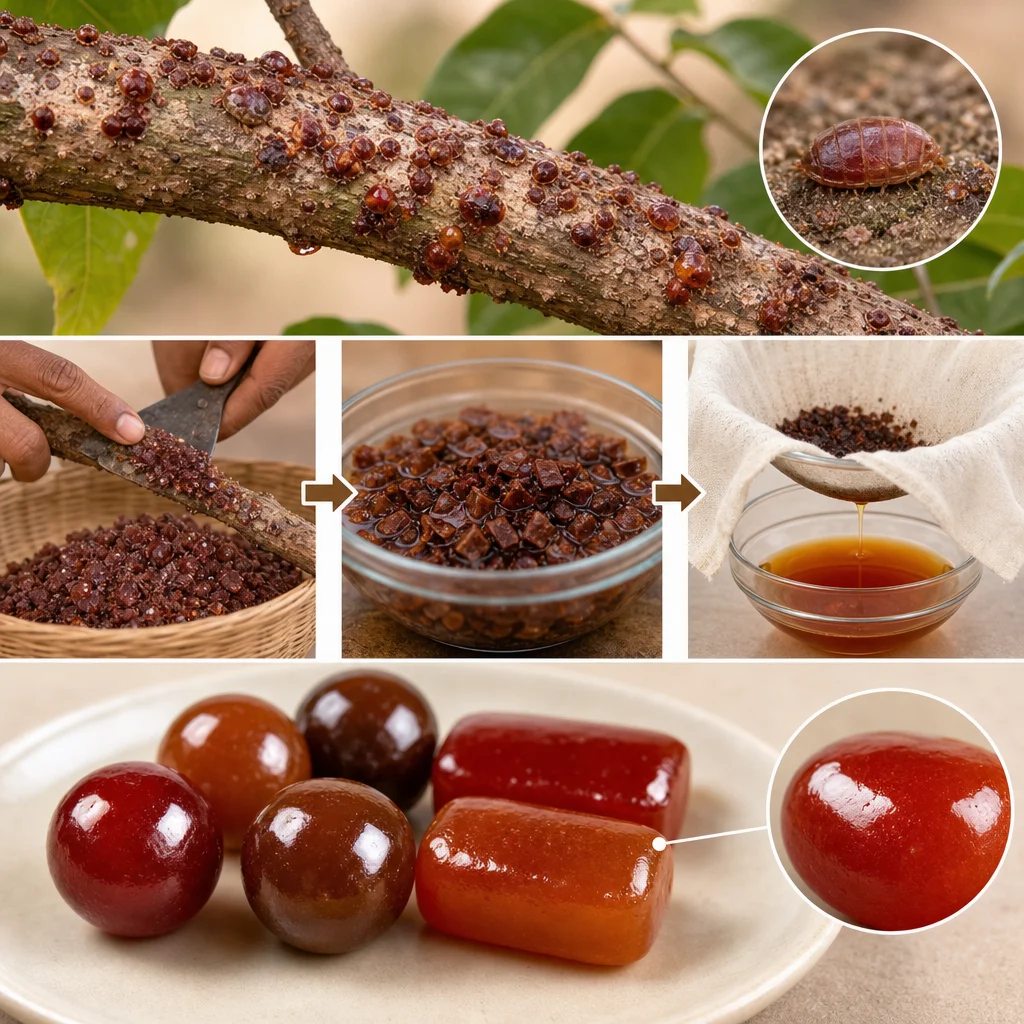
Quick answer: Confectioner's glaze is usually shellac, a resinous material produced by lac insects. It is therefore not vegan. On labels it may appear as confectioner's glaze, shellac, resinous glaze, pharmaceutical glaze, candy glaze, or E904. Carnauba wax and some cellulose-based coatings are plant-derived alternatives, but the word "glaze" by itself does not identify the source.
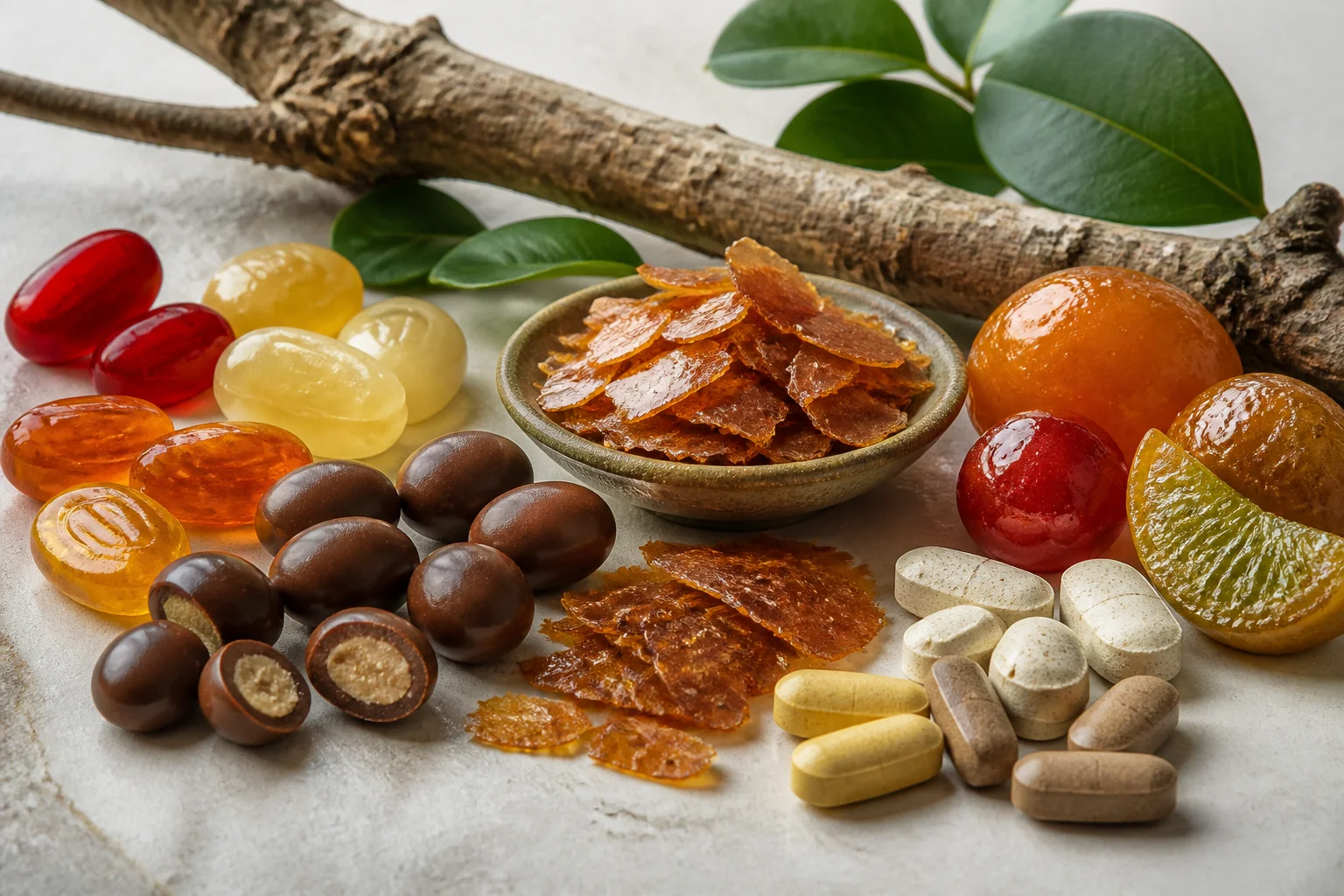
The ingredient is easy to miss because it sounds like a technique rather than a substance. "Confectioner's glaze" evokes a sugar syrup brushed onto pastries. In industrial candy and supplement production, however, it often means a polished shellac coating that creates shine, reduces moisture movement, and helps a product resist scuffing.
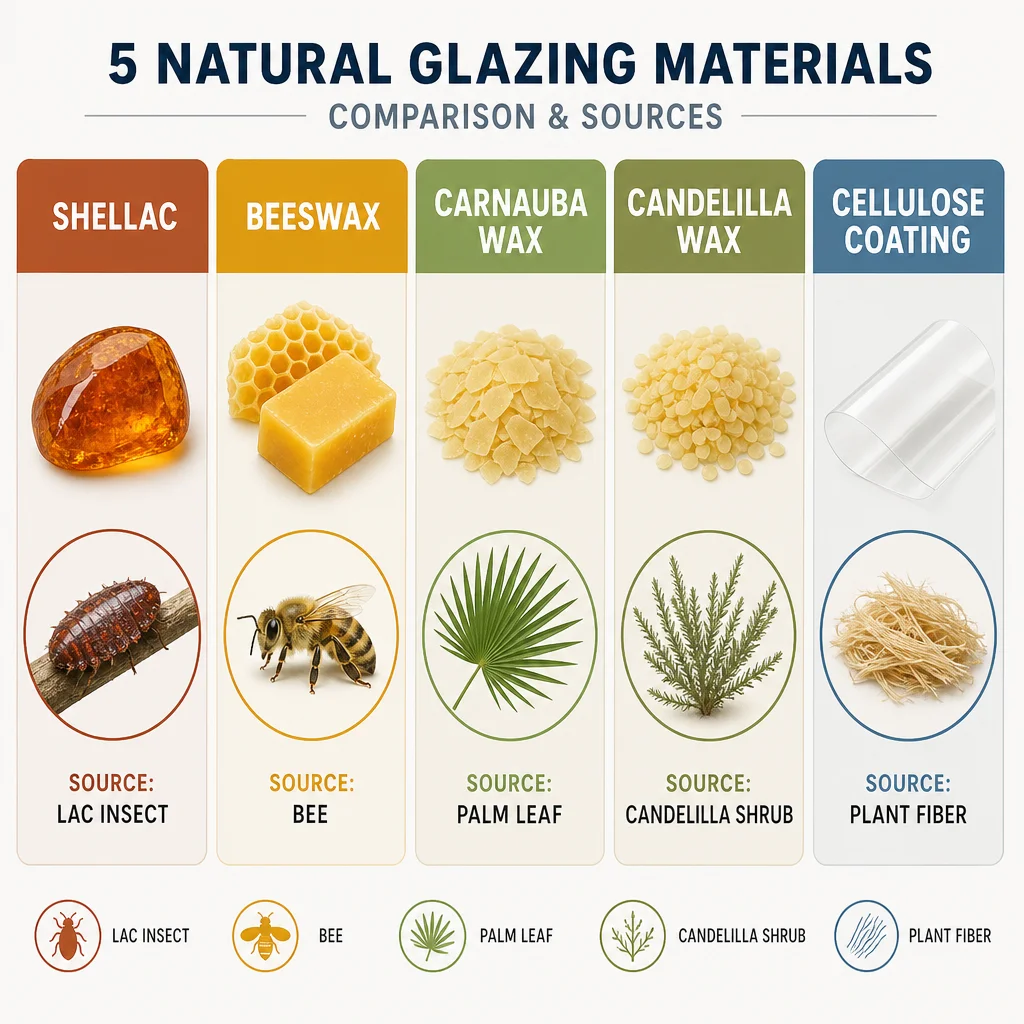
Shellac is one member of a wider group of source-sensitive glazing agents. Some come from insects, some from bees, some from plants, and some from synthetic or mineral materials. Knowing the exact name matters more than deciding whether a product looks glossy.