The keto and low-carb snack category looks tame on a shelf. Bright matte bags, claims about net carbs and protein per serving, ingredient lists short enough to fit on the back without small print. The visual language signals safety to a shopper who is used to long, suspicious panels in the cookie aisle next door.
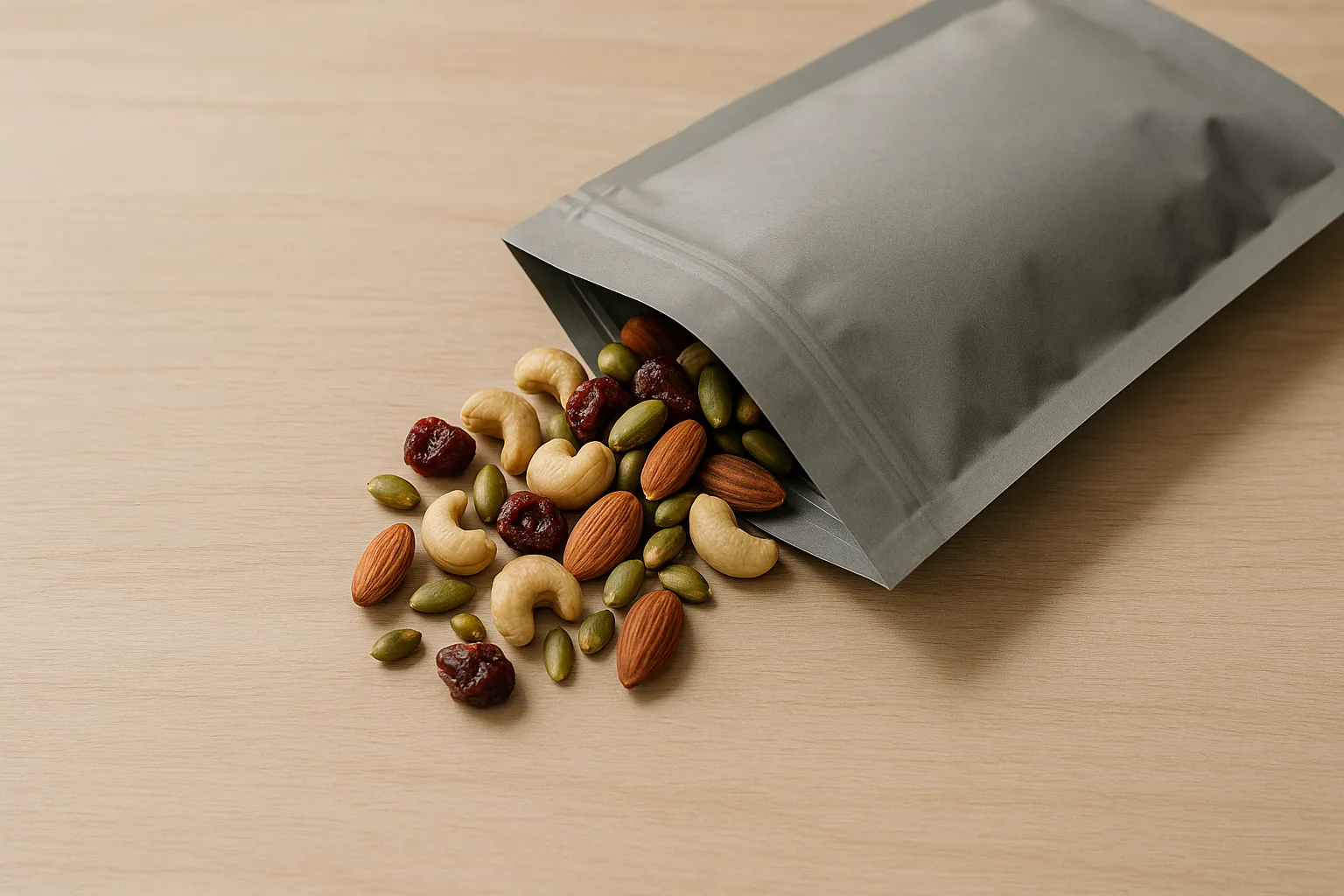
Underneath that visual language, the category leans heavily on a small set of high-fat, low-carb building blocks. The same ingredients show up across hundreds of products: almonds, cashews, pistachios, walnuts, pecans, macadamias, coconut, sunflower seeds, pumpkin seeds, sesame, dried berries, and cacao nibs. A mix that started as a peanut-and-pretzel snack three decades ago is, in its modern keto form, a tree-nut delivery system with some seeds and dried fruit folded in.
Two things make that ingredient profile a labeling hazard.
Shared equipment is everywhere
Most snack mixes are not made in dedicated facilities. Co-manufacturers run dozens of formulas through the same lines, and the cleaning protocols between runs are designed to control microbial risk, not allergen carryover. A line that ran a cashew-pistachio mix on Tuesday morning will run a "cashew-free" almond mix on Tuesday afternoon. If the cleanout is incomplete, a few grams of cashew dust per bag can be enough to send a sensitised customer to the emergency room. The Loftware analysis of FDA recalls found that shared-equipment cross-contact is one of the most common drivers of allergen recalls year after year.
Keto and low-carb formulations change quickly. A brand might swap a sweetener, adjust a protein blend, or change a nut ratio every six months in response to consumer feedback or supply-chain pressure. The marketing team rolls those changes into the next print run of bags, and gaps between formulation and artwork are inevitable. Bags printed in winter sometimes get filled with a spring-formula mix that does not match the panel.
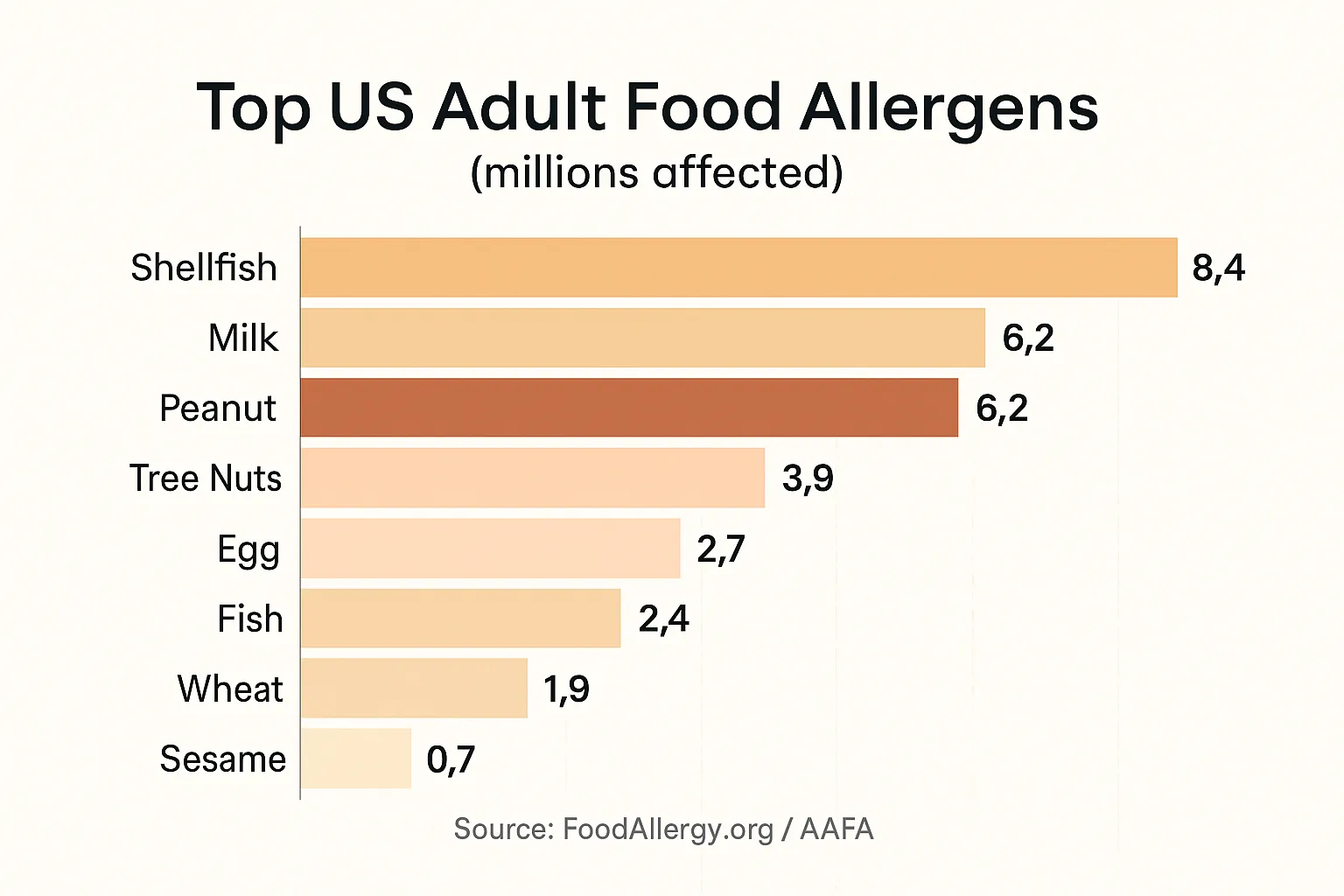
The Second Nature notice points to "a temporary breakdown" in production and packaging. That is the same vocabulary used by dozens of other recall notices over the past two years. According to a 2026 Esko analysis of 2025 FDA enforcement data, allergen mislabeling triggered 115 of 251 food recalls that year, with tree nuts among the top three undeclared categories.