Ingredient Deep Dives

Potassium Bromate vs Bromated Flour: Label Guide

Potassium bromate and bromated flour are connected but not identical. Use this label guide to understand the wording, rules, and bread-aisle checks.

May 23, 2026|8 min read
By Sanket Patel|Updated 2026-05-26|6 sources|Editorial standards
Potassium Bromate vs Bromated Flour: Label Guide

Quick answer: Potassium bromate is the additive. Bromated flour is flour that has been treated with that additive. If you are checking bread labels, look for both potassium bromate and bromated flour, plus related phrases like enriched bromated flour and flour improver.

That distinction matters because shoppers often search one term and miss the other. A bread label may not say "potassium bromate" as a standalone ingredient. It may instead describe the flour itself as bromated. From a shopping perspective, both phrases point to the same practical question: was this flour or dough system treated with bromate chemistry?

This post is not a second toxicology deep dive. For that, start with Potassium Bromate in Bread: Banned Countries and Labels and the potassium bromate ingredient profile. This guide is narrower. It explains the label wording, the U.S. rule structure, and the common misconception that bromated flour is a separate, safer ingredient.

The short version

Use this as the aisle-side translation:

  • Potassium bromate is the named chemical additive.
  • Bromated flour is flour to which potassium bromate has been added.
  • Enriched bromated flour means the same bromate clue is embedded inside a longer flour statement.
  • Unbromated flour is the cleaner label claim to look for if you want to avoid the category.
  • Unbleached flour is useful, but it is not the same claim as unbromated flour.

The legal wording backs up that interpretation. The FDA's Substances Added to Food inventory lists potassium bromate with technical effects including dough strengthener, flour treating agent, leavening agent, and oxidizing or reducing agent. The same FDA entry points to food labeling and standards rules for bread and flour categories.

What potassium bromate means

Potassium bromate is an oxidizing flour treatment agent. Bakers historically used it because it strengthens dough, improves loaf volume, and helps commercial bread behave more predictably during mixing, proofing, and baking.

The controversy comes from what happens if conversion during baking is incomplete. Potassium bromate is supposed to reduce to bromide during proper baking. Residue concerns and animal toxicology evidence are why many markets moved away from food use and why the IARC potassium bromate monograph classifies it as possibly carcinogenic to humans.

For label reading, though, you do not need to settle the toxicology debate in the bread aisle. You need to know the names.

What bromated flour means

What bromated flour means

Bromated flour is not an unrelated ingredient. Under 21 CFR 137.155, bromated flour is flour that conforms to the flour standard, except that potassium bromate is added in a quantity not exceeding 50 parts per million of the finished bromated flour.

That is why a product can raise the bromate question even if the ingredient deck does not show a clean, standalone "potassium bromate" line.

The bread standard makes the connection even clearer. 21 CFR 136.110 lists "flour, bromated flour, phosphated flour, or a combination" as optional ingredients for bread, rolls, and buns. It also says the potassium bromate in any bromated flour used is deemed an optional ingredient in the finished bread, rolls, or buns.

In plain English: the bromate can enter through the flour ingredient. That is the label trap.

Why this wording matters for searchers

Search behavior splits into a few different questions:

"Is potassium bromate in bread?"

This asks whether the named additive is still used. The precise answer is that federal U.S. standards still recognize potassium bromate and bromated flour uses, though many brands have reformulated and some states are moving faster than federal rules.

"What is bromated flour?"

This asks about the label wording. The practical answer is that bromated flour is flour treated with potassium bromate. It belongs in the same shopper check as potassium bromate, calcium bromate, and broader bromate-family language.

"Is bromated flour banned in Europe?"

This is a country-status query. It should be answered carefully. Many non-U.S. markets do not permit food use of potassium bromate. But different rulebooks express that through bans, lack of authorization, positive-list systems, or food-standard rules. For a cleaner status map, use the Banned Additive Status hub, then click into the ingredient profile for the exact source trail.

"Is unbleached flour the same as unbromated?"

No. Bleaching and bromating are different flour treatments. A flour can be unbleached, unbromated, both, or neither depending on the product and market. The safest label shortcut is to look for explicit unbromated flour when bromate avoidance is the goal.

The U.S. and California status

The U.S. and California status

The U.S. federal picture is not the same as the California picture.

At the federal level, potassium bromate remains listed in FDA food-substance and bread-standard materials. The FDA chemical review table lists potassium bromate as a food ingredient in "Review of Information" status and says FDA has worked with the American Bakers Association on baking technology and testing to minimize residual bromate levels.

At the state level, California has already acted. AB 418, the California Food Safety Act, prohibits the manufacture, sale, delivery, distribution, holding, or offering for sale of food for human consumption containing potassium bromate beginning January 1, 2027. The law also covers brominated vegetable oil, propylparaben, and Red Dye No. 3.

That is why "is it banned?" can produce confusing answers. Federally, the answer is not a blanket U.S. ban. In California food commerce after the effective date, the answer is yes for potassium bromate. In many non-U.S. markets, the practical answer is also no permitted food use, even when the rulebook uses different legal language.

How to read a bread label

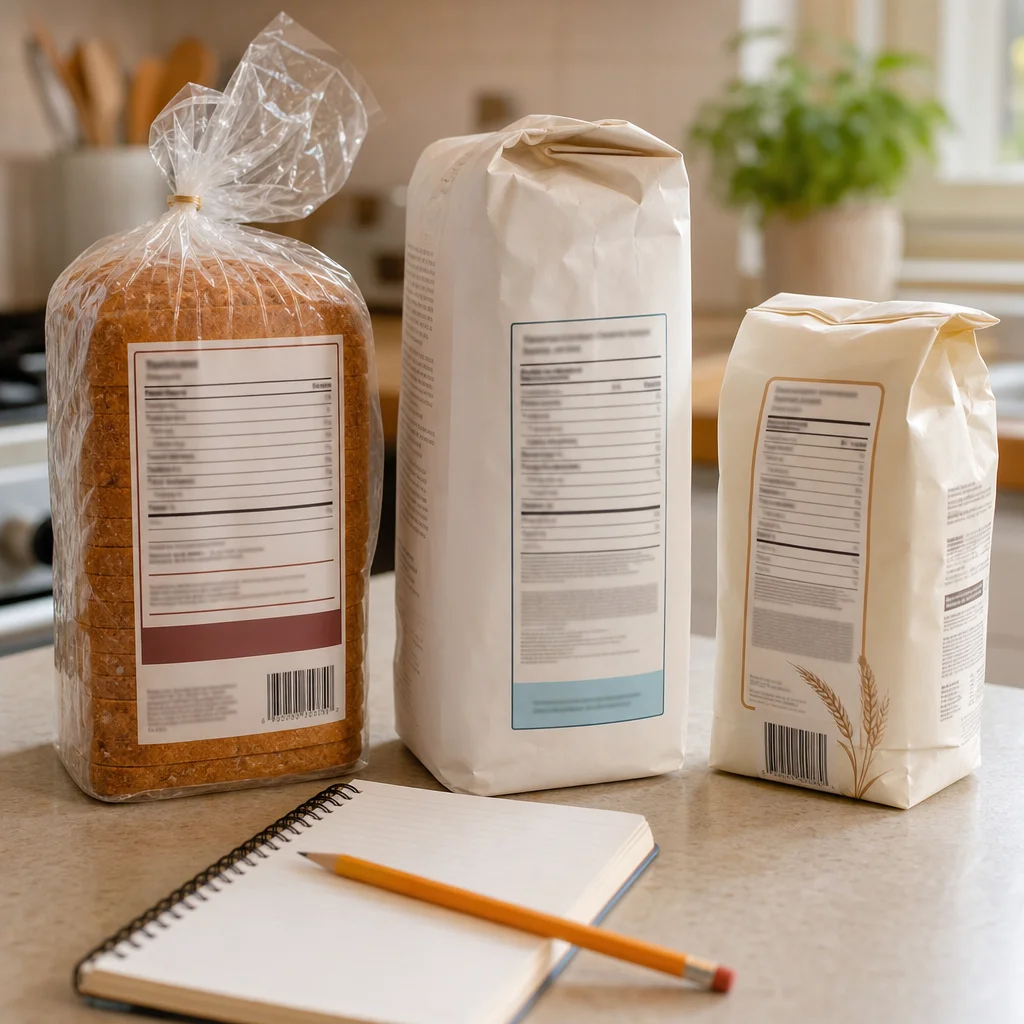
For packaged bread, buns, rolls, bagels, pizza crusts, bakery mixes, and flour-based snacks, scan the flour statement first. The relevant terms can be buried near the beginning of the ingredient list, not only near the end with minor additives.

Look for:

  • potassium bromate
  • bromated flour
  • enriched bromated flour
  • calcium bromate
  • generic flour improver wording when the product is imported or the label is less specific

Prefer:

  • unbromated flour
  • unbleached unbromated flour
  • bread brands that clearly avoid bromated flour
  • bakery products with simpler flour statements

One caution: unbleached alone is not enough. It is a good sign for chemical flour bleaching, but it does not automatically answer the bromate question. That is why the Bread Additives hub separates bromates, bleached flour, azodicarbonamide, iodates, and preservatives instead of forcing all bread concerns into one bucket.

Common misconceptions

Bromated flour is safer because the label does not say potassium bromate.

No. Bromated flour is the label form that tells you potassium bromate was added to the flour. It is not a separate clean-label ingredient.

All U.S. bread contains bromate.

No. Many brands use unbromated flour or have reformulated away from potassium bromate. The practical point is that the ingredient remains legally possible in federal standards and still deserves a label check.

Bromated flour and bleached flour are the same thing.

No. They are both flour-treatment clues, but they refer to different processes. For the bleaching side of the cluster, use Bleached Flour: Why Europe Rejected Chemical Flour Bleaching.

A country has to use the exact word banned for the shopper answer to matter.

No. Some systems work through positive lists or lack of authorization. For shoppers, the practical result can be that an additive is not allowed in that food category even if the legal route is not phrased as a ban.

Where this fits in the bread-additive cluster

Potassium bromate is one of the strongest bread-additive search targets because the label wording is confusing and the country-status story is uneven. But it should not be read alone.

Compare it with Azodicarbonamide: The Yoga Mat Chemical in Your Bread, Potassium Iodate: The Bread Additive Europe Rejected, and Bread Additives Banned in Europe but Still Legal in the U.S.. These are not identical ingredients, but they all help answer the same shopping question: does this bread rely on an older industrial flour treatment when nearby alternatives do not?

IngrediCheck helps turn that question into a faster label check. When a product contains potassium bromate, bromated flour, or another bread additive you have saved as a rule, the app can flag it so you can compare loaves without memorizing every regulatory term.

Next Label Check

Follow the scanner, hub, and ingredient paths connected to this guide

Frequently Asked Questions

Is bromated flour the same as potassium bromate?

Bromated flour is flour that has been treated with potassium bromate. A label may show either wording, so shoppers should check for both terms.

Is bromated flour legal in the U.S.?

Federal bread and flour standards still include bromated flour and potassium bromate uses, but California bans potassium bromate in food commerce starting January 1, 2027.

Does unbleached flour mean unbromated flour?

Not necessarily. Unbleached refers to bleaching treatment, while unbromated refers to potassium bromate treatment. They are related label-quality cues but not identical claims.

Get the app for clearer label decisions.

Scan labels, see what fits your food notes, and read the why in plain English.

IngrediCheck app