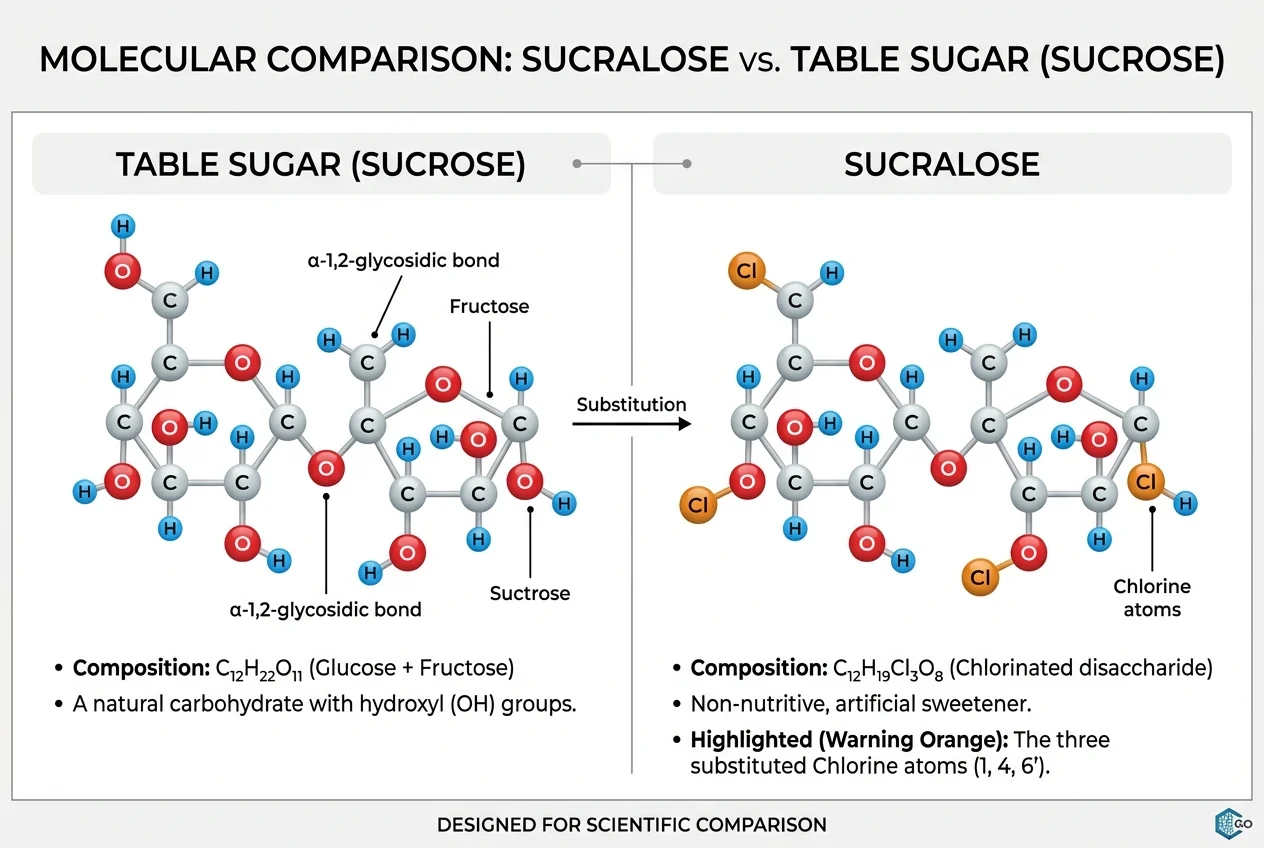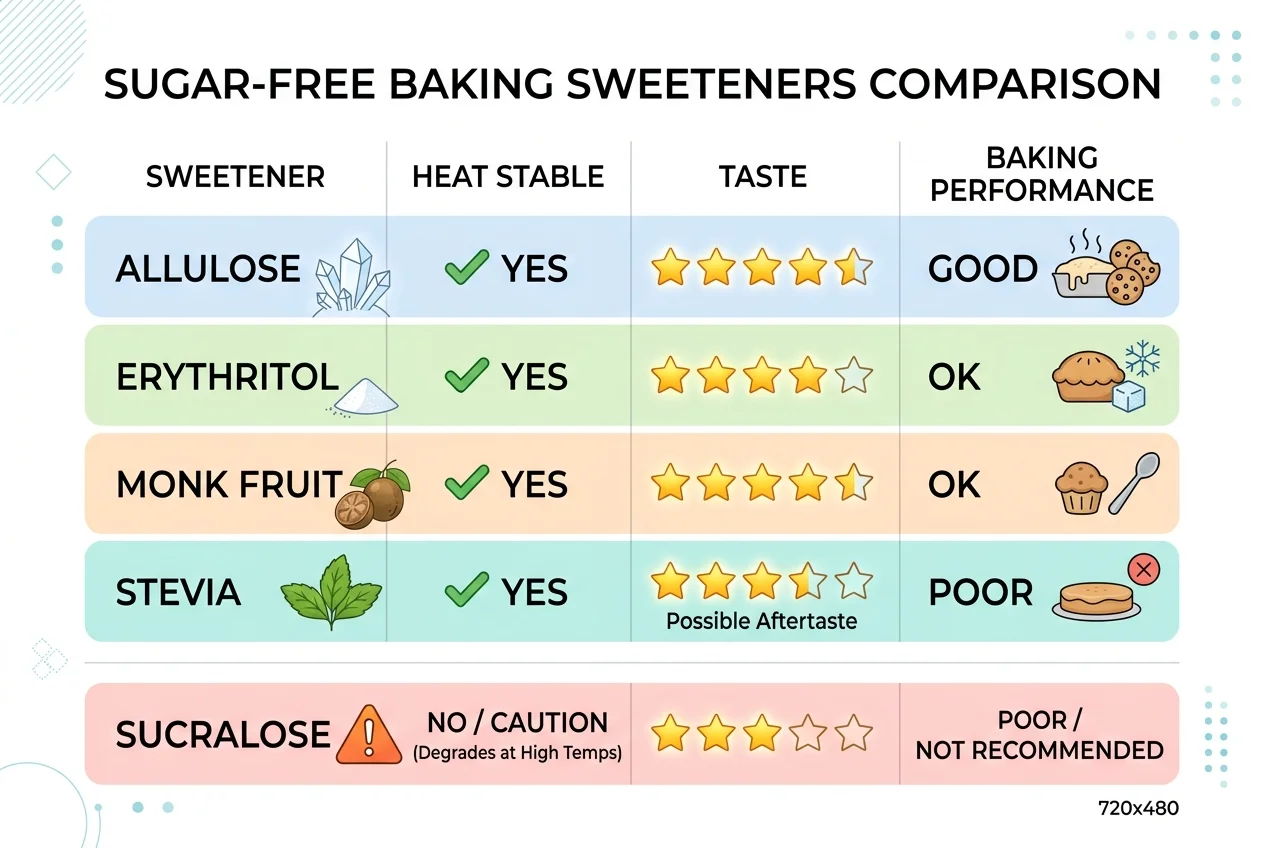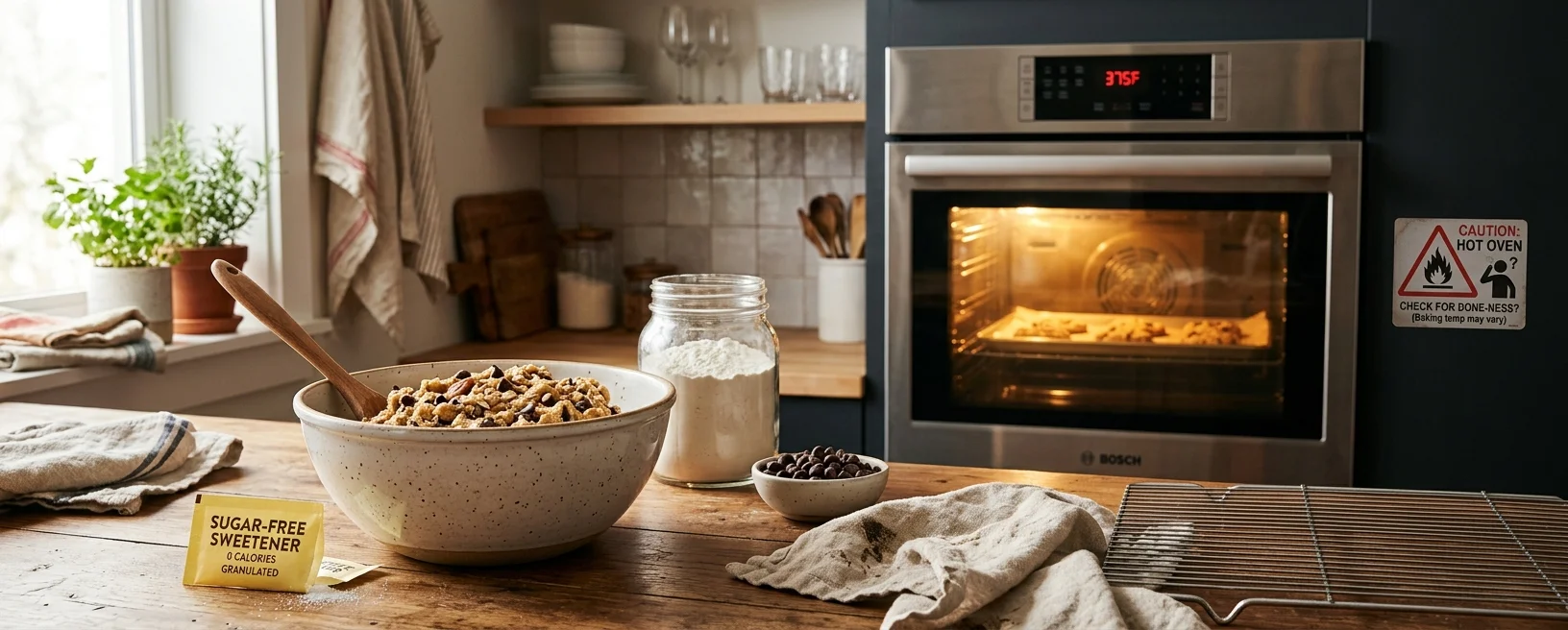
If you follow a keto diet, manage diabetes, or simply try to cut sugar without sacrificing sweet treats, there's a good chance sucralose has become a staple in your kitchen. It's the zero-calorie sweetener behind the Splenda brand, and it's in thousands of "sugar-free" cookies, cakes, protein bars, and beverages sold around the world. Unlike some sweeteners, sucralose actually holds up to heat. Or so most people assume.
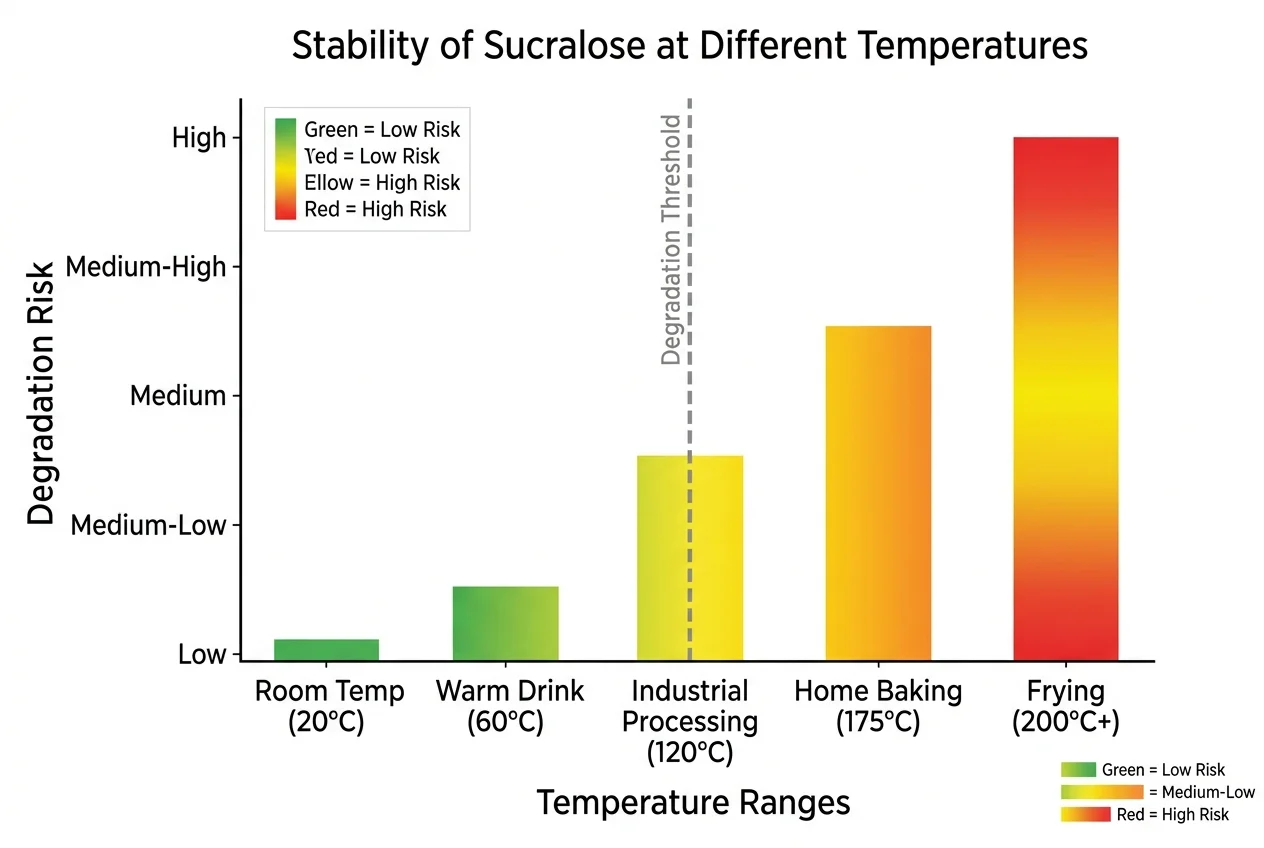
On February 17, 2026, the European Food Safety Authority (EFSA) published its most thorough scientific review of sucralose in two decades. The headline finding was reassuring: sucralose is safe in its currently approved uses. But buried in that same document was a significant new concern that has gone largely unnoticed by the general public: when sucralose is exposed to high temperatures (the kind you reach when baking in a home oven), it may break down and form chlorinated compounds whose health effects are simply unknown.
This isn't a ban. EFSA did not tell consumers to throw out their Splenda. But the nuance matters enormously, and it changes how you might want to use this sweetener going forward.
Looking for a specific purchase instead? Compare protein powders without sucralose, including unsweetened whey and pea options.