Safer Ingredient Swaps
Compare additives like titanium dioxide, synthetic dyes, BHA, sodium benzoate, sucralose, and calcium propionate with simpler label cues and swap ideas.
Intro
Safer-swap searches are usually practical: a shopper sees a controversial additive, then wants to know what to compare against in the same aisle. This hub keeps those questions grounded in ingredient profiles, category context, and label cues instead of treating every alternative as automatically safer.
Why It Matters
Swap guidance can overpromise if it turns into blanket medical advice. A dedicated hub lets IngrediCheck answer lower-concern, simpler-label, and reformulation queries with sourced comparisons that still respect product category, diet needs, and personal risk tolerance.
Swap comparison lookup
Compare the ingredient with lower-concern options
Use these rows as category-level comparison prompts, not as medical advice. The linked profiles explain the source context and when a swap is actually relevant.
Compare against
Why shoppers compare
It is mostly cosmetic in food, so similar products may not need the whitening additive.
Label cues
Compare against
Why shoppers compare
Red 40 is discretionary color, so category alternatives can lower synthetic-dye exposure.
Label cues
Compare against
Why shoppers compare
Yellow 5 often appears in dye stacks, making similar lower-dye products worth comparing.
Label cues
Compare against
Why shoppers compare
Yellow 6 is a high-value label clue when standard products compete with cleaner or reformulated options.
Label cues
Compare against
Why shoppers compare
Blue 1 is easiest to act on when comparing heavily dyed child-facing products against simpler alternatives.
Label cues
Compare against
Why shoppers compare
Federal revocation and state bans make reformulation timing a practical comparison cue.
Label cues
Compare against
Why shoppers compare
BHA is a tiebreaker when comparable products do not need the legacy antioxidant preservative.
Label cues
Compare against
Why shoppers compare
BHT often travels with the same pantry-food preservation pattern as BHA.
Label cues
Compare against
Why shoppers compare
Benzoate questions matter most in acidic preserved categories where formula context changes the concern.
Label cues
Compare against
Why shoppers compare
It is a shelf-life tradeoff, so bakery-aisle comparison is realistic.
Label cues
Compare against
Why shoppers compare
Persistent regulatory controversy makes propylparaben a practical comparison ingredient.
Label cues
Compare against
Why shoppers compare
Many breads achieve texture without bromate, making it one of the clearer legacy-additive swaps.
Label cues
Compare against
Why shoppers compare
Plenty of breads manage texture without azodicarbonamide, so the ingredient is an optionality test.
Label cues
Compare against
Why shoppers compare
Sweetener systems behave differently, especially for heating, frequency, and personal tolerance.
Label cues
Compare against
Why shoppers compare
Ace-K is a threshold clue in zero-sugar categories where sweetener-heavy formulation may not be worth the tradeoff.
Label cues
Compare against
Why shoppers compare
Texture aids are worth comparing for shoppers tracking gut sensitivity or dairy-alternative tolerance.
Label cues
Compare against
Why shoppers compare
The source can matter more than lecithin itself for vegan, soy-free, egg-free, and allergen rules.
Label cues
Compare against
Why shoppers compare
Mercury is a substitution issue by species and frequency, not a label-additive problem.
Label cues
Related Hubs
Move sideways into adjacent ingredient and label-reading clusters
Adjacent topic hubs
Where Ingredients Appear
Look up where additives like Blue 1, Yellow 5, BHA, potassium bromate, sodium benzoate, and calcium propionate appear in foods.
Ingredient Label Name Glossary
Look up ingredient label aliases such as E211, INS 211, preservative 211, E171, tartrazine, BHA, BHT, and Ace-K.
E-Number Glossary
Look up E-number food additive codes like E211, INS 211, E171, E415, and E950, with plain-English names and label checks from IngrediCheck.
Food Additives
Browse IngrediCheck's food additives hub for preservatives, dyes, sweeteners, and ingredient-by-ingredient label guidance.
Featured Ingredients
Start with the ingredient profiles
dye
Titanium dioxide
Titanium dioxide is a whitening and opacity agent used to make icings, candies, sauces, and supplements look brighter and more uniform. It became a household ingredient topic after Europe decided food use was no longer acceptable.
dye
Red 40
Red 40 is the most widely used synthetic food dye in the United States and shows up across sports drinks, candy, cereal, frosting, and snack products. It matters because it is common, not because every single use case is identical.
dye
Yellow 5
Yellow 5 is a synthetic dye used in beverages, desserts, candy, breakfast cereals, chips, and other products that want a bright yellow or orange tone. It often appears alongside other petroleum-based dyes rather than as a one-off ingredient.
dye
Yellow 6
Yellow 6 is a widely used orange-yellow synthetic dye found in chips, candy, bakery fillings, beverages, and snack foods. It matters because it is one of the easiest colors for shoppers to spot in mass-market products even when it does not dominate the public conversation like Red 40.
dye
Blue 1
Blue 1 is a synthetic certified color additive, also called FD&C Blue No. 1, Brilliant Blue FCF, or E133. It creates vivid blue and blue-green shades in sports drinks, candy, frostings, ice cream, freezer pops, and novelty snacks, and it has become part of the broader retailer and regulatory shift away from synthetic colors.
dye
Red Dye No. 3
Red Dye No. 3 is a synthetic food color historically used in candies, cake decorations, and bright red processed foods. It became the most important petroleum-based dye story once the FDA finally moved to revoke its food authorization.
preservative
BHA
BHA is a synthetic antioxidant preservative added to fats and oils in frozen meals, breakfast cereals, cookies, candy, ice cream, meat products, and other packaged foods. It is useful for shelf life, but it also carries one of the most persistent reputational and toxicology debates in the food supply.
preservative
BHT
BHT is a synthetic antioxidant preservative used to protect fats and oils from oxidation in cereals, snacks, gum, and other shelf-stable foods. It matters because it often appears in the same product ecosystem as BHA and has become part of the wider re-evaluation of older synthetic preservatives.
preservative
Sodium benzoate
E211 preservative, preservative 211, and INS 211 all mean sodium benzoate. It appears most often in acidic beverages, sauces, condiments, and shelf-stable products, where it helps keep bacteria, yeasts, and moulds from growing.
preservative
Calcium propionate
Calcium propionate is a mold-inhibiting preservative commonly used in bread, buns, tortillas, and other packaged baked goods. It matters because it sits at the center of a real shelf-life tradeoff between softer bread products and simpler ingredient decks.
preservative
Propylparaben
Propylparaben is a preservative used to slow spoilage in certain processed foods, especially where fat and moisture make shelf life fragile. It draws attention because the United States and Europe have treated the ingredient very differently.
additive
Potassium bromate
Potassium bromate is a flour improver that can strengthen dough and improve loaf volume in commercial baking. It is one of the clearest examples of an ingredient that remains legal in parts of the U.S. while many other markets have already rejected it.
additive
Azodicarbonamide
Azodicarbonamide is a flour treatment agent used to strengthen dough handling and promote a more uniform crumb in commercial bread products. It is more famous in public debate for where it is banned than for what bakers use it to do.
sweetener
Sucralose
Sucralose is a high-intensity sweetener used in diet drinks, flavored dairy, protein products, tabletop packets, and low-sugar baking mixes. It is popular because it is intensely sweet, shelf-stable, and easy to formulate around.
sweetener
Acesulfame potassium
Acesulfame potassium is a high-intensity artificial sweetener used in zero-sugar drinks, gum, protein products, and reduced-sugar packaged foods. It matters because it is a common formulation tool in modern ultra-processed products even when shoppers do not always recognize the label name.
thickener
Carrageenan
Carrageenan is a seaweed-derived thickener used in dairy alternatives, chocolate milk, deli meat, whipped toppings, and desserts. It is useful in manufacturing because it helps liquids stay smooth and suspended.
emulsifier
Lecithin
Lecithin is a broad label term for phospholipid-rich emulsifiers used in chocolate, baked goods, dressings, infant foods, and supplements. The source can be soy, sunflower, egg, or less commonly animal tissue.
contaminant
Mercury
Mercury reaches seafood through environmental contamination and then concentrates up the food chain. It matters because exposure depends heavily on fish species, frequency, and life stage rather than on one universal seafood rule.
Related Blog Guides
Read the supporting explainers
Label Reading Guides
May 9, 2026 | 9 min read
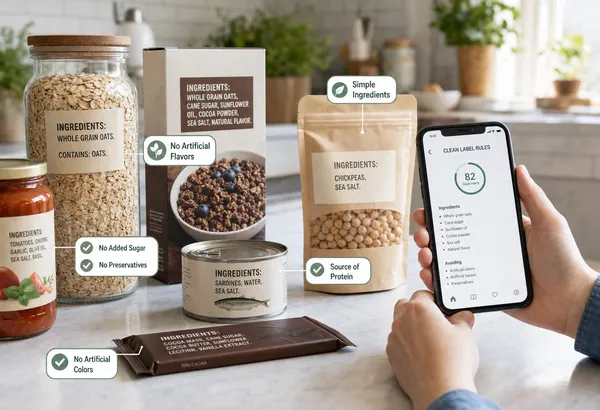
Clean Label Food Scanner: Check Additives and Ingredient Claims
A clean label food scanner helps shoppers review additive names, natural flavor claims, preservative wording, sweeteners, dyes, and saved ingredient preferences.
Food Policy Watch
Mar 9, 2026 | 10 min read
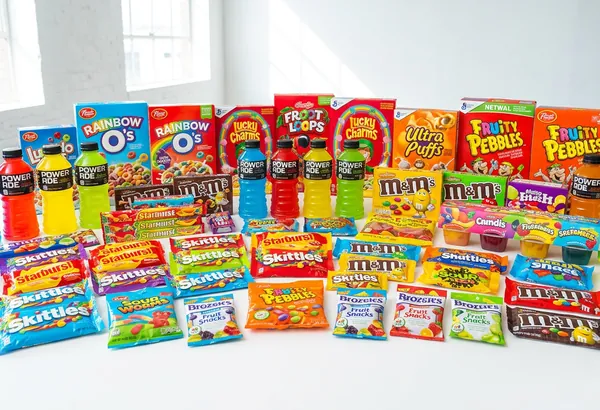
Red 40 & Yellow 5: The 6 Food Dyes the FDA Is Phasing Out
Red 40, Yellow 5, and 4 other petroleum-based dyes are being removed from US food by the FDA after decades of ADHD and hyperactivity concerns. Here's what's still in your pantry.
Food Policy Watch
Apr 13, 2026 | 11 min read
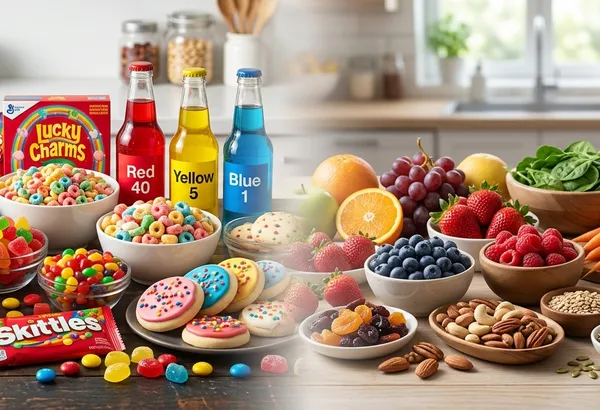
The FDA's 2026 Synthetic Dye Phase-Out: What It Means for Your Family
The FDA is phasing out petroleum-based synthetic food dyes by the end of 2026. Learn which dyes are affected, why they're being removed, and how to identify them in your food.
Ingredient Deep Dives
Apr 7, 2026 | 9 min read
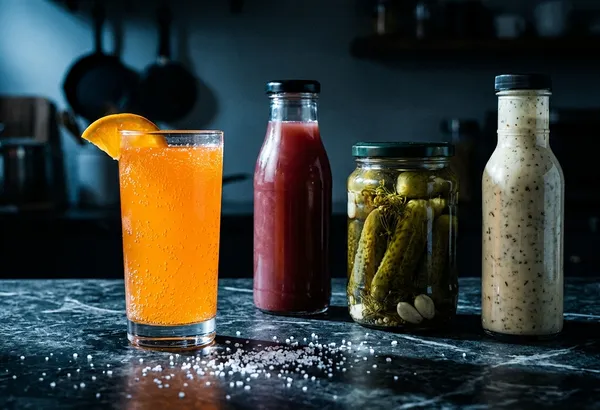
Preservative 211 / INS 211: Sodium Benzoate (E211)
Preservative 211, INS 211, and E211 are sodium benzoate. Learn where it appears, when vitamin C can form benzene, and which label names to check.

Ingredient Deep Dives
Mar 20, 2026 | 9 min read
Sucralose in Baking: What EFSA's 2026 Assessment Means for You
EFSA confirmed sucralose is safe in drinks and cold foods, but raised a serious flag for home baking — here's what the science says and what to use instead.
Ingredient Deep Dives
Apr 27, 2026 | 8 min read
Calcium Propionate: The Bread Preservative That Keeps Mold Away
Calcium propionate helps packaged bread last longer without visible mold, which is exactly why Aldi now treats it as a clean-label tradeoff worth removing.
Label Reading Guides
Mar 18, 2026 | 10 min read
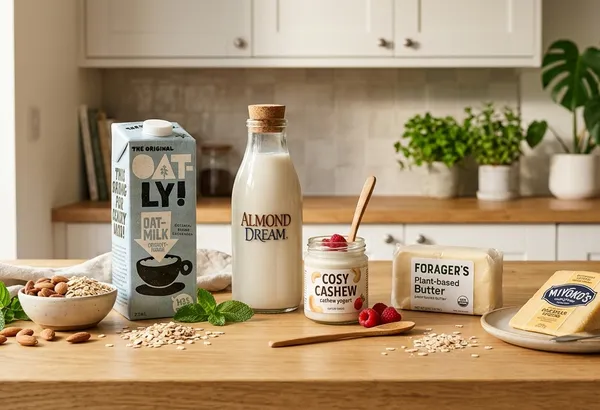
Navigating Dairy-Free: Hidden Ingredients & Smart Swaps
Dairy hides under dozens of names on food labels — and even 'non-dairy' products can legally contain milk proteins. Learn to spot hidden dairy, make smart swaps, and protect your nutrition when going dairy-free.
Related Collection Links
Keep reading by editorial collection
Blog Collection
Label Reading Guides
Practical guides for decoding ingredient lists, spotting hidden red flags, and shopping with more confidence.
Blog Collection
Food Policy Watch
Regulatory shifts, outbreaks, recalls, and policy changes that shape how food gets labeled, marketed, and sold.
Blog Collection
Ingredient Deep Dives
Long-form explainers on additives, preservatives, contaminants, and the ingredients that deserve a closer look.
Get the app for clearer label decisions.
Scan labels, see what fits your food notes, and read the why in plain English.