Propylparaben
Propylparaben: what it does in food, current safety notes, diet compatibility, and shopper guidance from IngrediCheck.
Aliases and label clues
Overview
Propylparaben is a preservative used to slow spoilage in certain processed foods, especially where fat and moisture make shelf life fragile. It draws attention because the United States and Europe have treated the ingredient very differently.
Diet snapshot
What It Does in Food
Propylparaben is most commonly used as preservative and shelf-life extender in packaged food.
Category
Preservative
Evidence and Regulatory Summary
The EU banned propylparaben from food years ago, while U.S. discussions have lagged and shifted through state-level action and broader FDA review priorities. That gap makes it a strong example of how evidence interpretation and precaution standards can diverge.
Diet Notes
Propylparaben does not map neatly to gluten-free, vegan, or dairy-free shopping. It is more of an ingredient-safety and regulatory-trust issue, especially for people trying to minimize controversial preservatives rather than manage one allergy.
Shopper Guidance
Use propylparaben as a comparison ingredient. If two similar products exist, many shoppers will choose the one without it, not because every exposure is automatically high-risk, but because the regulatory controversy is unusually persistent.
Next Label Check
Use Propylparaben in the scanner and topic paths around it
Related Guides
Read the connected explainers
Ingredient Deep Dives
Mar 28, 2026 | 8 min read
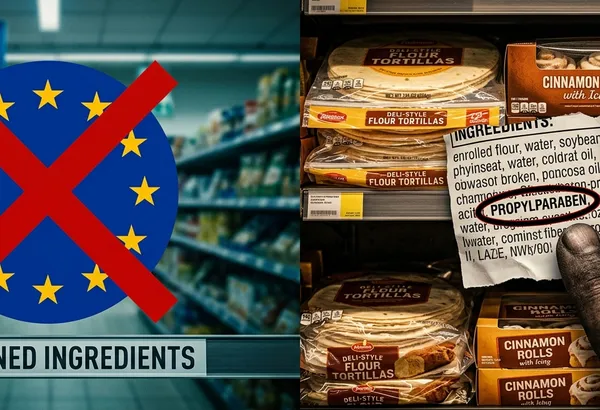
Propylparaben: Why Europe Banned It and the US Hasn't Yet
Propylparaben is a common preservative in US tortillas, baked goods, and snacks — but the EU banned it from food in 2006 over hormone-disruption concerns. California follows in 2027. Here's what you need to know.
Food Policy Watch
Mar 23, 2026 | 10 min read
44 Food Additives Banned Abroad: Texas's Warning Label List
Texas passed a law requiring warning labels on foods containing 44 ingredients banned in the EU, Australia, Canada, or the UK. Here's what's on the list and why it matters.
Food Policy Watch
Mar 9, 2026 | 12 min read
The GRAS Loophole: How Food Chemicals Skip FDA Review
Since 2000, nearly 99% of new food chemicals entered the American food supply without FDA safety review. The FDA is finally proposing to close the loophole.
Sources
This profile uses journal, industry, and advocacy sources and follows the IngrediCheck editorial policy.
Get the app for clearer label decisions.
Scan labels, see what fits your food notes, and read the why in plain English.