E-Number Glossary
Look up E-number food additive codes like E211, INS 211, E171, E415, and E950, with plain-English names and label checks from IngrediCheck.
Intro
E-numbers and INS numbers are shorthand codes for food additives, not a separate safety category. This hub maps common codes such as E211, INS 211, E171, E415, and E950 back to their ingredient names, functions, label aliases, and supporting IngrediCheck profiles.
Why It Matters
Searches for an E-number usually happen when a shopper is staring at a label and needs a fast translation. A dedicated glossary turns those exact-match code queries into connected ingredient profiles, so readers can move from the code to the additive name, evidence, and practical label guidance.
Fast answer
E211 = sodium benzoate
If a food label lists E211, INS 211, preservative 211, or preservative E211, it is naming sodium benzoate, a preservative used mostly in acidic drinks, sauces, condiments, and shelf-stable foods. Use the sodium benzoate profile for FDA and EFSA safety context, then use the benzene explainer when the same drink also lists vitamin C or ascorbic acid.
E-number lookup
Translate additive codes into ingredient names
Use this table when a label shows an E-number first. Each code links to a sourced IngrediCheck profile with function, label aliases, regulatory context, and practical scan notes.
Code on label
What it does
E211 is sodium benzoate; INS 211 and preservative 211 are alternate label-code formats for the same preservative used mostly in acidic drinks, sauces, condiments, and shelf-stable foods.
When to review it
Review it when saved rules flag benzoates, preservatives, or acidic beverages that also contain vitamin C or ascorbic acid.
Code on label
What it does
White color and opacity additive used to brighten candies, icings, sauces, and supplements.
When to review it
Use it for EU-ban questions, cosmetic-additive preferences, and products where color is not functionally necessary.
Code on label
What it does
Fermentation-derived thickener and stabilizer used in gluten-free baked goods, sauces, and dressings.
When to review it
Check the product's full gluten status and personal tolerance instead of treating xanthan gum as gluten by default.
Code on label
What it does
Seaweed-derived thickener, gelling agent, and stabilizer used in dairy alternatives, desserts, drinks, and deli meats.
When to review it
Review it when gut-sensitivity, dairy-alternative, or low-FODMAP rules make texture aids worth tracking.
Code on label
What it does
Emulsifier family that helps fat and water stay mixed in chocolate, baked goods, dressings, and supplements.
When to review it
Review the source when vegan, soy-free, egg-free, or allergen-sensitive rules depend on how the lecithin was made.
Code on label
What it does
High-intensity sweetener used in diet drinks, protein products, tabletop packets, and low-sugar foods.
When to review it
Compare sweetener systems when saved rules flag sugar-free products, frequent intake, or foods that will be heated.
Code on label
What it does
High-intensity artificial sweetener often paired with other sweeteners in zero-sugar drinks, gum, and protein products.
When to review it
Use it as a threshold clue when a saved rule treats artificial sweeteners as a group.
Code on label
What it does
Ultra-potent artificial sweetener used at very low levels in some reduced-sugar foods.
When to review it
Review it when the label uses a less familiar sweetener and the household rule is broader than sucralose or Ace-K.
Code on label
What it does
Synthetic antioxidant preservative used to slow rancidity in fat-containing packaged foods.
When to review it
Review it in snacks, cereals, gum, oils, and pantry foods when simpler alternatives are easy to compare.
Code on label
What it does
Synthetic antioxidant preservative that often appears in the same snack and cereal ecosystem as BHA.
When to review it
Track it as part of a preservative pattern across repeat-purchase pantry foods.
Code on label
What it does
Mold-inhibiting preservative used in bread, buns, tortillas, and other packaged baked goods.
When to review it
Review it in the bakery aisle when comparing long shelf life against simpler ingredient decks.
Code on label
What it does
Paraben preservative with sharply different food-use status across major markets.
When to review it
Use it for EU-versus-U.S. status checks, California Food Safety Act tracking, and preservative-avoidance rules.
Code on label
What it does
Paraben preservative used as a shelf-life stabilizer in selected food and non-food contexts.
When to review it
Review it when saved rules flag parabens broadly instead of focusing only on propylparaben.
Code on label
What it does
Synthetic orange-yellow dye used in chips, candy, bakery fillings, beverages, and snacks.
When to review it
Use it as a high-value color cue when comparing dye-heavy products with reformulated or naturally colored alternatives.
Code on label
What it does
Synthetic blue dye used in sports drinks, candy, frostings, freezer pops, and novelty snacks.
When to review it
Review it as part of the broader synthetic-dye family rather than treating one color as a one-off detail.
Code on label
What it does
Less common synthetic green dye that still appears in some candy, drink, and dessert applications.
When to review it
Use it when synthetic-dye rules are broad enough to catch less frequent color additives.
Related Hubs
Move sideways into adjacent ingredient and label-reading clusters
Adjacent topic hubs
Ingredient Label Name Glossary
Look up ingredient label aliases such as E211, INS 211, preservative 211, E171, tartrazine, BHA, BHT, and Ace-K.
Where Ingredients Appear
Look up where additives like Blue 1, Yellow 5, BHA, potassium bromate, sodium benzoate, and calcium propionate appear in foods.
Safer Ingredient Swaps
Compare additives like titanium dioxide, synthetic dyes, BHA, sodium benzoate, sucralose, and calcium propionate with simpler label cues and swap ideas.
Preservatives
Review preservative label guidance for sodium benzoate, BHA, BHT, parabens, calcium propionate, and related packaged foods.
Featured Ingredients
Start with the ingredient profiles
preservative
Sodium benzoate
E211 preservative, preservative 211, and INS 211 all mean sodium benzoate. It appears most often in acidic beverages, sauces, condiments, and shelf-stable products, where it helps keep bacteria, yeasts, and moulds from growing.
dye
Titanium dioxide
Titanium dioxide is a whitening and opacity agent used to make icings, candies, sauces, and supplements look brighter and more uniform. It became a household ingredient topic after Europe decided food use was no longer acceptable.
thickener
Xanthan gum
Xanthan gum is a fermentation-derived thickener that shows up in gluten-free baking, sauces, dressings, and frozen desserts. It is often the ingredient that gives wheat-free products enough structure to hold together.
thickener
Carrageenan
Carrageenan is a seaweed-derived thickener used in dairy alternatives, chocolate milk, deli meat, whipped toppings, and desserts. It is useful in manufacturing because it helps liquids stay smooth and suspended.
emulsifier
Lecithin
Lecithin is a broad label term for phospholipid-rich emulsifiers used in chocolate, baked goods, dressings, infant foods, and supplements. The source can be soy, sunflower, egg, or less commonly animal tissue.
sweetener
Sucralose
Sucralose is a high-intensity sweetener used in diet drinks, flavored dairy, protein products, tabletop packets, and low-sugar baking mixes. It is popular because it is intensely sweet, shelf-stable, and easy to formulate around.
sweetener
Acesulfame potassium
Acesulfame potassium is a high-intensity artificial sweetener used in zero-sugar drinks, gum, protein products, and reduced-sugar packaged foods. It matters because it is a common formulation tool in modern ultra-processed products even when shoppers do not always recognize the label name.
sweetener
Neotame
Neotame is an ultra-potent artificial sweetener used in tiny amounts in reduced-sugar processed foods and beverages. It matters because shoppers often do not notice it even when it is doing a significant amount of the sweetness work in the final formulation.
preservative
BHA
BHA is a synthetic antioxidant preservative added to fats and oils in frozen meals, breakfast cereals, cookies, candy, ice cream, meat products, and other packaged foods. It is useful for shelf life, but it also carries one of the most persistent reputational and toxicology debates in the food supply.
preservative
BHT
BHT is a synthetic antioxidant preservative used to protect fats and oils from oxidation in cereals, snacks, gum, and other shelf-stable foods. It matters because it often appears in the same product ecosystem as BHA and has become part of the wider re-evaluation of older synthetic preservatives.
preservative
Calcium propionate
Calcium propionate is a mold-inhibiting preservative commonly used in bread, buns, tortillas, and other packaged baked goods. It matters because it sits at the center of a real shelf-life tradeoff between softer bread products and simpler ingredient decks.
preservative
Propylparaben
Propylparaben is a preservative used to slow spoilage in certain processed foods, especially where fat and moisture make shelf life fragile. It draws attention because the United States and Europe have treated the ingredient very differently.
preservative
Methylparaben
Methylparaben is a preservative in the paraben family that attracts less public attention than propylparaben but still signals the same broader trust problem for many retailers and shoppers. It matters because ingredient families rarely stay conceptually isolated once one member becomes controversial.
dye
Yellow 6
Yellow 6 is a widely used orange-yellow synthetic dye found in chips, candy, bakery fillings, beverages, and snack foods. It matters because it is one of the easiest colors for shoppers to spot in mass-market products even when it does not dominate the public conversation like Red 40.
dye
Blue 1
Blue 1 is a synthetic certified color additive, also called FD&C Blue No. 1, Brilliant Blue FCF, or E133. It creates vivid blue and blue-green shades in sports drinks, candy, frostings, ice cream, freezer pops, and novelty snacks, and it has become part of the broader retailer and regulatory shift away from synthetic colors.
dye
Green 3
Green 3 is a less common synthetic dye used in select mint, dessert, and drink products. Its rarity is exactly why it matters: it shows how retailer dye standards reach beyond only the most famous colors and into the full certified-dye system.
Related Blog Guides
Read the supporting explainers
Ingredient Deep Dives
Apr 7, 2026 | 9 min read
Preservative 211 / INS 211: Sodium Benzoate (E211)
Preservative 211, INS 211, and E211 are sodium benzoate. Learn where it appears, when vitamin C can form benzene, and which label names to check.
Ingredient Deep Dives
Mar 9, 2026 | 11 min read
Titanium Dioxide (E171): Banned in EU, Still in US Candy
The EU banned titanium dioxide (E171) in 2022 over genotoxicity concerns. The FDA still allows it in candy, gum, and frosting across the US. Here's how to spot it on labels.

Ingredient FAQs
Mar 29, 2026 | 9 min read
Is Xanthan Gum Safe for a Gluten-Free Diet?
Xanthan gum shows up in nearly every gluten-free product on the shelf — but is it actually safe for people with celiac disease or gluten sensitivity? Here's what the science says.
Label Reading Guides
Jul 27, 2026 | 10 min read
What Food Label Translation Apps Miss: Allergens, Aliases, and May Contain Warnings
Learn why readable words are not the same as a complete food-label decision, including missed sub-ingredients, aliases, warnings, additive codes, and uncertain sources.
Ingredient Deep Dives
Mar 18, 2026 | 10 min read
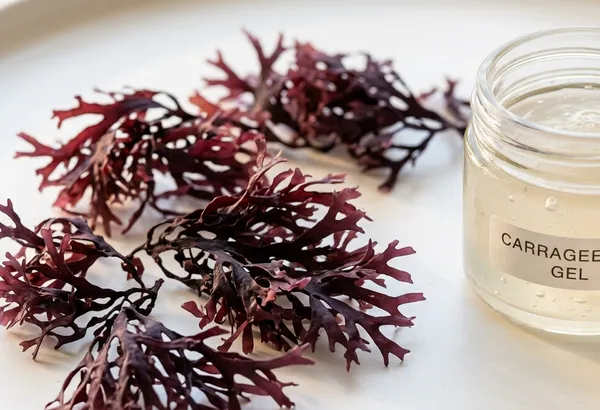
Carrageenan Explained: Why It Matters for Your Gut
Carrageenan is in thousands of everyday foods, from almond milk to deli meats. Learn what the latest science says about its effects on gut health, who should pay attention, and how to spot it on a label.
Ingredient FAQs
Mar 24, 2026 | 10 min read
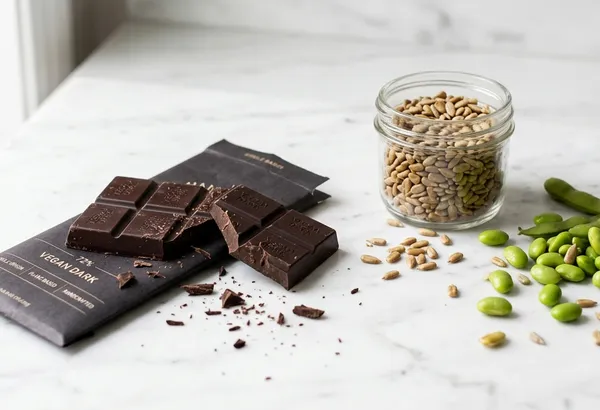
Is Lecithin Vegan? Soy vs Sunflower vs Egg — Label Guide
Lecithin hides in everything from chocolate to bread, but is it always vegan? Learn which sources are plant-based, what E322 really means on a label, and how to shop confidently.

Ingredient Deep Dives
Mar 20, 2026 | 9 min read
Sucralose in Baking: What EFSA's 2026 Assessment Means for You
EFSA confirmed sucralose is safe in drinks and cold foods, but raised a serious flag for home baking — here's what the science says and what to use instead.
Ingredient Deep Dives
Apr 27, 2026 | 8 min read
Acesulfame K: The Artificial Sweetener Aldi No Longer Wants
Acesulfame potassium still shows up in zero-sugar drinks, protein products, and gum even as retailers like Aldi move away from it. Here is what it does and why clean-label standards keep targeting it.
Ingredient Deep Dives
Apr 27, 2026 | 8 min read
Neotame: The Ultra-Potent Sweetener Most Shoppers Never Notice
Neotame is an ultra-potent sweetener used in tiny amounts, which is exactly why many shoppers never notice it on labels. Here is what it does and why Aldi wants it gone from store brands.
Ingredient Deep Dives
Mar 9, 2026 | 10 min read
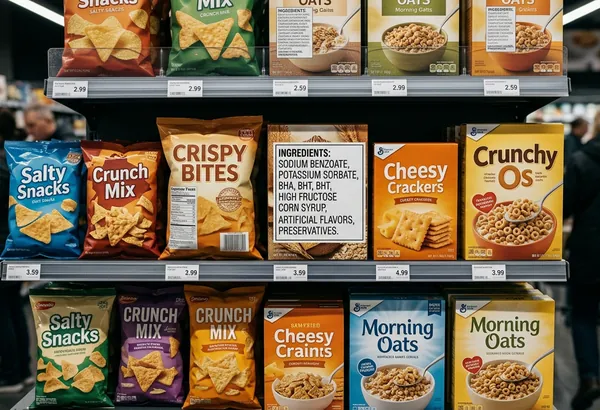
BHA: The Preservative the FDA Is Finally Reviewing
BHA has been listed as a probable carcinogen since 1991 and banned from general food use in the EU. The FDA issued a safety review request in February 2026 — 35 years later.
Ingredient Deep Dives
Apr 27, 2026 | 8 min read
BHT: The Preservative That Usually Travels With BHA
BHT often appears next to BHA in cereals, snacks, and oils. Here is what it does, why Aldi excludes it, and why shoppers should treat the pair as a broader preservative pattern.
Ingredient Deep Dives
Apr 27, 2026 | 8 min read
Calcium Propionate: The Bread Preservative That Keeps Mold Away
Calcium propionate helps packaged bread last longer without visible mold, which is exactly why Aldi now treats it as a clean-label tradeoff worth removing.
Ingredient Deep Dives
Mar 28, 2026 | 8 min read
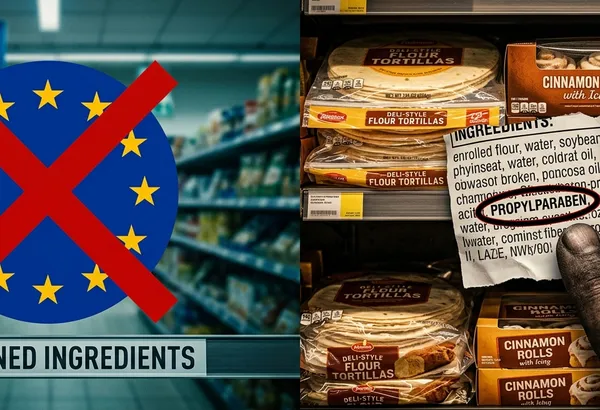
Propylparaben: Why Europe Banned It and the US Hasn't Yet
Propylparaben is a common preservative in US tortillas, baked goods, and snacks — but the EU banned it from food in 2006 over hormone-disruption concerns. California follows in 2027. Here's what you need to know.
Ingredient Deep Dives
Apr 27, 2026 | 8 min read
Methylparaben: The Paraben Preservative That Slips Under the Radar
Methylparaben does not carry the same recognition as propylparaben, but it belongs to the same preservative family that retailers increasingly treat with suspicion.
Ingredient Deep Dives
Apr 27, 2026 | 9 min read
What Is Yellow 6? Food Dye Uses, Safety, and Snack Labels
Yellow 6 is a synthetic orange-yellow food dye used in snacks, candy, drinks, and baked goods. Learn label names, safety concerns, and where it appears.
Ingredient Deep Dives
Apr 27, 2026 | 8 min read
What Is Blue 1? Blue #1 Food Dye, Uses, and Labels
What is Blue 1 or Blue #1? Learn what FD&C Blue No. 1, Brilliant Blue FCF, and E133 mean, which foods use it, and label cues to check.
Ingredient Deep Dives
Apr 27, 2026 | 8 min read
Green 3: The Rare Food Dye Still Allowed in the U.S.
Green 3 is one of the least common synthetic food dyes still allowed in the U.S. That rarity does not make it irrelevant. It makes it a clear example of how obscure additives can stay legal long after shoppers stop wanting them.
Food Policy Watch
Apr 24, 2026 | 11 min read
Food Additives Banned in the EU but Still Allowed in the U.S. (2026 Guide)
A careful guide to the additives Americans describe as banned in Europe, what that phrase actually means, and which ingredients still show up on U.S. labels.
Jul 30, 2026 | 9 min read
Dimethylpolysiloxane in Food: What an Anti-Foaming Agent Does
Learn why dimethylpolysiloxane is used to control foam, where food rules permit it, how E900 and INS 900a relate, and when it may appear on a label.
Jul 30, 2026 | 9 min read
Nisin vs Natamycin: Preservatives in Cheese and Bakery Foods
Compare nisin and natamycin by antimicrobial target, U.S., EU, and Canadian permissions, E-number, food use, and ingredient-label wording.
Jul 30, 2026 | 9 min read
Silicon Dioxide vs Calcium Silicate: Anti-Caking Agents
Compare silicon dioxide with calcium silicate by identity, anti-caking function, E-number, U.S. limits, and the evidence an ingredient label does not provide.
Jul 28, 2026 | 9 min read
Potassium Sorbate vs Sorbic Acid: E200-E203 Explained
Compare sorbic acid with potassium, sodium, and calcium sorbates by chemistry, preservative function, E-number, permitted use, and label wording.
Related Collection Links
Keep reading by editorial collection
Blog Collection
Ingredient Deep Dives
Long-form explainers on additives, preservatives, contaminants, and the ingredients that deserve a closer look.
Blog Collection
Ingredient FAQs
Straightforward answers to common questions about individual ingredients, their safety, and dietary compatibility.
Blog Collection
Label Reading Guides
Practical guides for decoding ingredient lists, spotting hidden red flags, and shopping with more confidence.
Blog Collection
Food Policy Watch
Regulatory shifts, outbreaks, recalls, and policy changes that shape how food gets labeled, marketed, and sold.
Get the app for clearer label decisions.
Scan labels, see what fits your food notes, and read the why in plain English.