Xanthan gum
Xanthan gum: what it does in food, current safety notes, diet compatibility, and shopper guidance from IngrediCheck.
Aliases and label clues
Overview
Xanthan gum is a fermentation-derived thickener that shows up in gluten-free baking, sauces, dressings, and frozen desserts. It is often the ingredient that gives wheat-free products enough structure to hold together.
Diet snapshot
What It Does in Food
Xanthan gum is most commonly used as thickener, stabilizer, and emulsifier in packaged food.
Category
Thickener
Evidence and Regulatory Summary
FDA, EFSA, and JECFA all allow xanthan gum in food, and current reviews do not flag a broad safety concern at normal dietary exposure. The main nuance is tolerance, not a pending regulatory ban.
Diet Notes
For gluten-free shoppers, xanthan gum itself is generally considered gluten-free even when the fermentation feedstock varies. Large amounts can bother sensitive digestive systems, so individual tolerance still matters.
Shopper Guidance
Treat xanthan gum as a context ingredient. If you are screening for celiac risk, focus on the product's full gluten status and manufacturing confidence rather than treating xanthan gum as the problem by default.
Next Label Check
Use Xanthan gum in the scanner and topic paths around it
Scanner workflows
Gluten-Free Barcode Scanner
Scan barcodes and labels for gluten clues, hidden wheat, barley, rye, malt, and celiac-relevant ingredient risks with IngrediCheck's gluten-free workflow.
Low FODMAP Ingredient Checker
Scan labels for low FODMAP grocery clues, IBS trigger ingredients, sweeteners, fibers, and related digestive-health guides.
AIP Ingredient Checker App
Scan packaged foods against AIP-style saved rules for grains, legumes, dairy, nightshades, seeds, and additives with IngrediCheck.
Related Guides
Read the connected explainers

Ingredient FAQs
Mar 29, 2026 | 9 min read
Is Xanthan Gum Safe for a Gluten-Free Diet?
Xanthan gum shows up in nearly every gluten-free product on the shelf — but is it actually safe for people with celiac disease or gluten sensitivity? Here's what the science says.
Label Reading Guides
Mar 17, 2026 | 10 min read
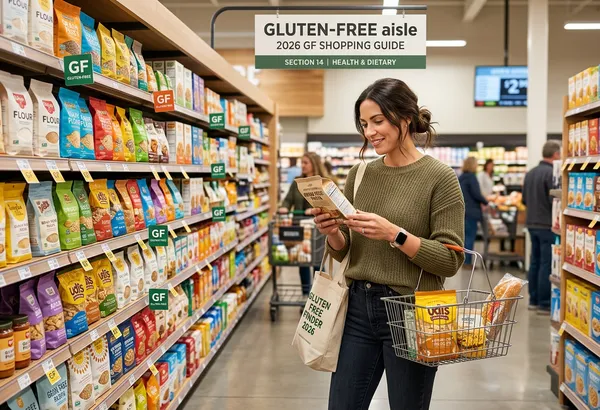
Gluten-Free Shopping Made Easy: Your 2026 Guide
Everything you need to shop gluten-free with confidence in 2026 — from decoding labels and spotting hidden gluten, to using barcode-scanning apps and understanding new FDA moves.
Label Reading Guides
Mar 30, 2026 | 9 min read
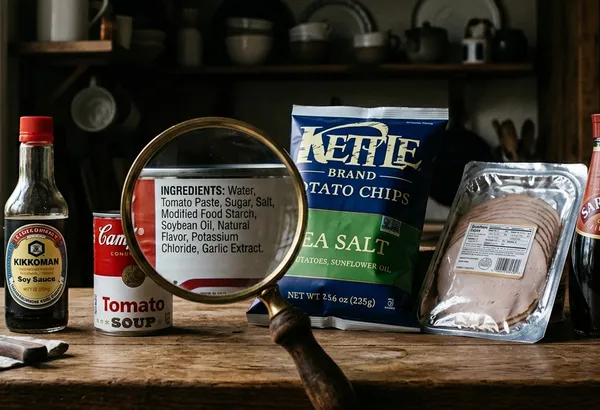
Beyond Bread: Hidden Gluten in Unexpected Foods (2026)
Gluten hides far beyond wheat bread — it lurks in soy sauce, potato chips, canned soups, cold cuts, medications, and even lip balm. Here's where to look and what to look for on the label.
Sources
This profile uses regulatory and journal sources and follows the IngrediCheck editorial policy.
Get the app for clearer label decisions.
Scan labels, see what fits your food notes, and read the why in plain English.