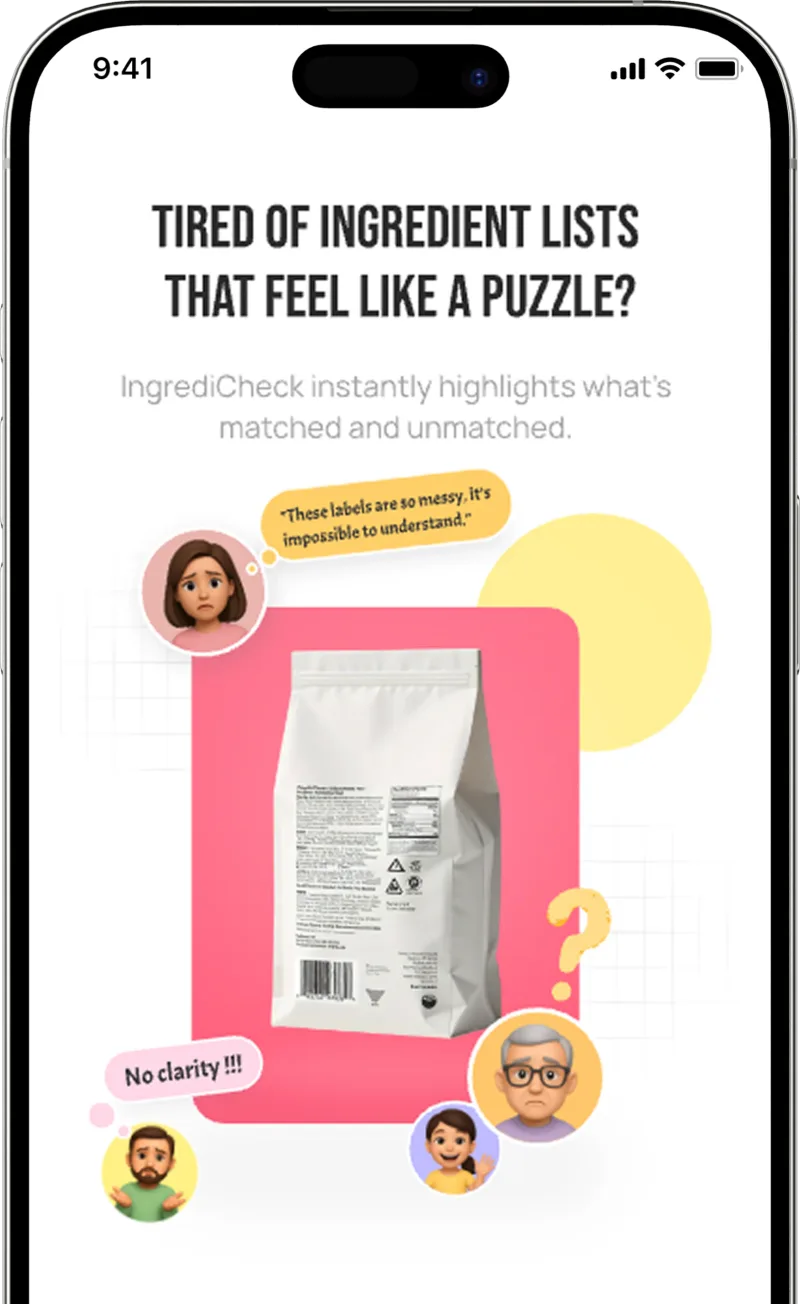
Core elimination groups
Grains, legumes, dairy, eggs, nuts, seeds, nightshades, alcohol, and added sugars are common review groups, but the saved plan should reflect the phase and clinician guidance.
AIP-style shopping changes with elimination, reintroduction, clinician guidance, and personal tolerance. IngrediCheck helps you scan packaged foods against saved autoimmune protocol rules, flag grains, legumes, dairy, nightshades, seed spices, gums, and additive patterns, and keep the result phase-aware instead of pretending one rule fits everyone.
Quick answer
An AIP ingredient checker can flag grains, legumes, dairy, eggs, nightshades, nuts, seeds, spices, sugars, and additives according to the elimination or reintroduction rule you save. It cannot diagnose autoimmune disease, prescribe an elimination diet, or decide whether a reintroduced food is tolerated.
What It Catches
Workflow
Read the label
Grains, legumes, dairy, eggs, nuts, seeds, nightshades, alcohol, and added sugars are common review groups, but the saved plan should reflect the phase and clinician guidance.
Paprika, chili, seed spices, potato starch, pea protein, soy derivatives, seed oils, and vague seasoning blends often make sauces, snacks, and prepared meals worth scanning.
Gums, emulsifiers, colors, preservatives, flavors, and sweeteners may be treated differently across AIP versions. Reintroduced foods should not remain hidden inside a permanent global blacklist.
Decision boundary
IngrediCheck can apply a phase-specific rule and make the matched label clues visible. It cannot evaluate symptoms, inflammation, nutrient adequacy, or reintroduction success, and it does not treat AIP as medical care. Plan and revise restrictions with an appropriate clinician.
Detailed label guide
AIP-style shopping is not one permanent blacklist. Elimination, reintroduction, clinician guidance, and personal tolerance can change how the same food should be handled over time. Save the rule for the phase being used now, and distinguish direct avoids from ingredients that should be flagged for review. Otherwise a reintroduced food can remain hidden inside an outdated restriction and make the result less useful.
Packaged foods concentrate the difficult categories: grains and starches, legumes and pea protein, dairy and egg, nightshades and seed spices, nuts and seeds, alcohol, added sugars, seed oils, gums, emulsifiers, colors, preservatives, and vague flavor systems. The scanner should state which category matched and why; it should not claim that every AIP version treats every additive identically.
Sauces, dressings, seasoning blends, snacks, protein products, frozen meals, and restaurant-style packaged foods are worth a slower review because several categories can appear together. Paprika may sit inside a spice system, potato starch can be a texture ingredient, pea or soy derivatives can appear in protein products, and gums or emulsifiers can be handled differently by different plans. Compare the complete label with the saved rule instead of relying on the product category or front claim.
A scan can make that review more consistent, but it cannot diagnose an autoimmune condition, measure inflammation, assess nutrient adequacy, or decide whether a reintroduction succeeded. Record symptom and phase decisions in the process recommended by the shopper's clinician, then update the saved rule when the plan changes.
Related Scanner Paths
Paleo Diet App for Ingredient Checking
Choosing a paleo app? Scan packaged-food labels for grains, legumes, dairy, and additives with IngrediCheck, using the paleo rules you save.
Check Foreign Food Labels Against Your Food Notes
Use IngrediCheck to photograph some foreign food labels, review available ingredient information, and check it against saved Food Notes while traveling.
Dairy-Free Ingredient Checker App
Use IngrediCheck's dairy-free ingredient checker to scan labels for milk, whey, casein, ghee, lactose, and may-contain milk statements.
Seed oils
Seed oils are common edible oils used in cooking, frying, dressings, sauces, and packaged foods. They are controversial mostly because internet claims treat a broad class of oils as one ingredient with one health outcome.
Carrageenan
Carrageenan is a seaweed-derived thickener used in dairy alternatives, chocolate milk, deli meat, whipped toppings, and desserts. It is useful in manufacturing because it helps liquids stay smooth and suspended.
Xanthan gum
Xanthan gum is a fermentation-derived thickener that shows up in gluten-free baking, sauces, dressings, and frozen desserts. It is often the ingredient that gives wheat-free products enough structure to hold together.
MSG
MSG is a flavor enhancer used in savory packaged foods such as soups, noodles, snacks, and seasoning systems. It matters because it remains legally accepted by mainstream regulators while still carrying unusually strong cultural baggage in clean-label and retailer discussions.
Label Clues
additive
Seed oils: what it does in food, current safety notes, diet compatibility, and shopper guidance from IngrediCheck.
thickener
Carrageenan: what it does in food, current safety notes, diet compatibility, and shopper guidance from IngrediCheck.
thickener
Xanthan gum: what it does in food, current safety notes, diet compatibility, and shopper guidance from IngrediCheck.
additive
MSG: what it does in food, current safety notes, diet compatibility, and shopper guidance from IngrediCheck.
Related Guides
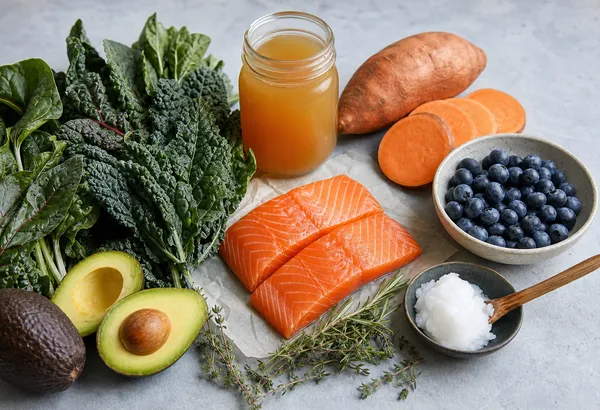
Jun 11, 2026 | 12 min read
An encyclopedic guide to the Autoimmune Protocol covering nightshade derivatives hidden in spice blends, seed-based spices, legume gums, grain derivatives, egg forms, food additives, and how to read labels when following AIP.

Apr 21, 2026 | 8 min read
A practical guide to checking packaged foods against your own allergies, diets, and ingredient preferences, instead of relying on a generic food score.
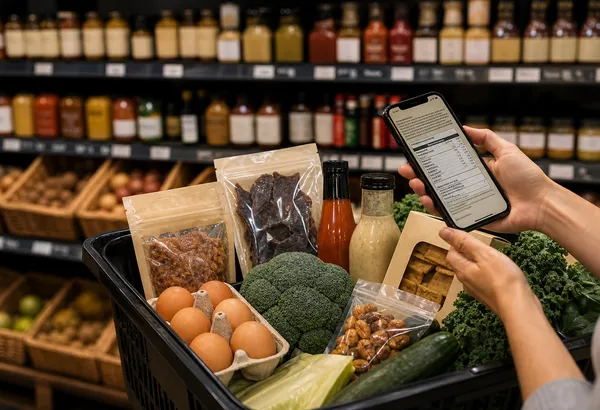
May 13, 2026 | 9 min read
A paleo food scanner app helps shoppers review grains, legumes, dairy, added sugar, seed oils, and processed-food label traps against saved rules.
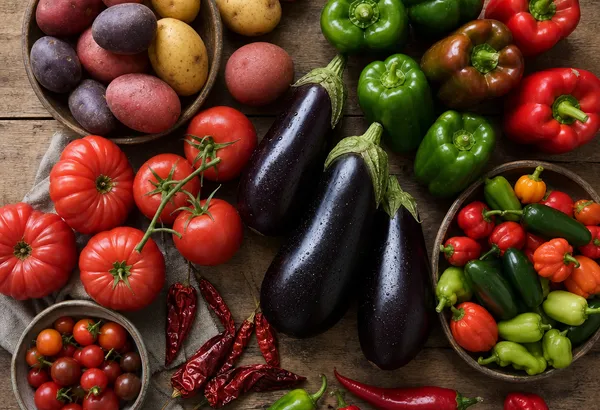
Jun 20, 2026 | 12 min read
An encyclopedic guide to nightshade vegetables covering the full Solanaceae family, solanine and glycoalkaloid safety thresholds, the arthritis-inflammation claim examined against the evidence, and every hidden nightshade source in spices and processed foods.
Jun 11, 2026 | 12 min read
An encyclopedic guide to the Paleo diet covering grain derivatives (maltodextrin, modified starch, dextrose) hiding in packaged food, legume-derived gums and proteins, seed oils in dressings and snacks, how to identify truly Paleo-compliant labels, and where Paleo and Whole30 differ.
FAQ
No. Autoimmune conditions and elimination diets should be managed with appropriate clinical guidance. IngrediCheck is a label-screening aid, not a diagnosis or treatment tool.
AIP-style plans can change across elimination and reintroduction phases, so saved rules help the scan reflect the shopper's current plan instead of a rigid permanent blacklist.
Sauces, dressings, spice blends, snacks, protein products, prepared meals, and additive-heavy labels are often the best candidates for a first-pass scan.
Scan labels, see what fits your food notes, and read the why in plain English.