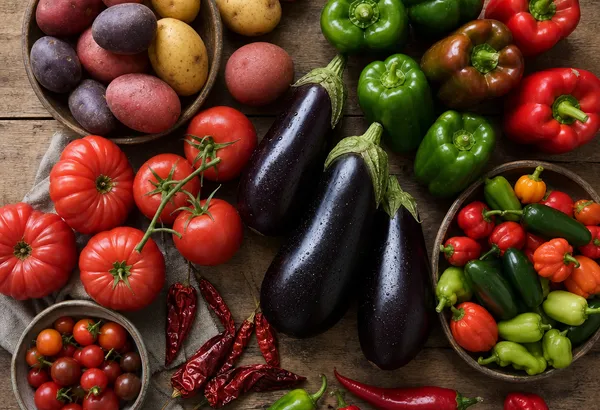
Named nightshades
Tomato, potato, eggplant, bell pepper, chili pepper, cayenne, paprika, pimento, and goji are direct terms that can appear in sauces, snacks, meals, and supplements.
Nightshade-free shopping is usually a packaged-food problem: sauces, spice blends, chips, frozen meals, and seasoning-heavy snacks can hide tomato, paprika, chili pepper, or potato ingredients. IngrediCheck helps you scan labels against saved nightshade-free rules and review the exact ingredient clues your household cares about.
Quick answer
A nightshade-free ingredient checker can flag tomato, potato, paprika, chili, cayenne, eggplant, pepper extracts, and related starch or seasoning terms according to your saved rule. It cannot diagnose nightshade sensitivity or reveal every ingredient hidden behind a generic spice or flavor declaration.
What It Catches
Workflow
Read the label
Tomato, potato, eggplant, bell pepper, chili pepper, cayenne, paprika, pimento, and goji are direct terms that can appear in sauces, snacks, meals, and supplements.
Potato starch, potato flakes, tomato powder, paprika extract, chili powder, spice blends, natural flavors, and color systems may require a slower ingredient or manufacturer review.
Some people avoid only peppers and tomato; others include white potato, eggplant, goji, or all spice blends. The scan should reflect that scope rather than impose one list.
Decision boundary
IngrediCheck can flag declared nightshade terms and ambiguous categories against the rule you save. It cannot diagnose a sensitivity, connect ingredients to symptoms, or confirm what a proprietary spice blend contains. Use clinician guidance for elimination and contact the maker when generic wording controls the decision.
Detailed label guide
Nightshade-free is not a standardized allergen label, and households do not always use the same scope. One shopper may avoid tomato and peppers, another may also flag white potato, eggplant, goji, paprika, pimento, cayenne, and chili, and someone in a reintroduction phase may want a needs-review result instead of a permanent avoid. Save that scope explicitly so the scanner does not impose a universal food list.
The evidence connecting nightshades with symptoms is mixed, so the scan should not diagnose a sensitivity or promise a health outcome. It can apply the rule consistently while symptom tracking, elimination design, and reintroduction decisions remain with the shopper and an appropriate clinician.
Fresh tomato, pepper, potato, and eggplant are easy to recognize. Packaged foods use tomato paste, concentrate, and powder; paprika and smoked paprika; chili powder, cayenne, red-pepper flakes, pimento, and pepper extracts; potato starch, flakes, and dehydrated potato; and seasoning systems that combine several of them. Those forms recur in soups, sauces, chips, frozen meals, snack coatings, and supplements that do not look related from the front label.
Review direct names first, then generic spices, natural flavors, color systems, and proprietary seasoning blends. When the declaration does not reveal the source, the correct result is unresolved until the manufacturer supplies more detail. Comparing similar products under one saved rule can still identify the option with the clearest label and the fewest unresolved terms.
Related Scanner Paths
AIP Ingredient Checker App
Scan packaged foods against AIP-style saved rules for grains, legumes, dairy, nightshades, seeds, and additives with IngrediCheck.
Low-Histamine Ingredient Checker App
Flag fermented, aged, cured, preserved, and personally avoided ingredient patterns with IngrediCheck's low-histamine scanner.
Sattvic Ingredient Checker App
Scan labels for sattvic food rules, onion, garlic, preservatives, alcohol-based extracts, refined sugars, and additives with IngrediCheck.
MSG
MSG is a flavor enhancer used in savory packaged foods such as soups, noodles, snacks, and seasoning systems. It matters because it remains legally accepted by mainstream regulators while still carrying unusually strong cultural baggage in clean-label and retailer discussions.
Sodium benzoate
E211 preservative, preservative 211, and INS 211 all mean sodium benzoate. It appears most often in acidic beverages, sauces, condiments, and shelf-stable products, where it helps keep bacteria, yeasts, and moulds from growing.
Seed oils
Seed oils are common edible oils used in cooking, frying, dressings, sauces, and packaged foods. They are controversial mostly because internet claims treat a broad class of oils as one ingredient with one health outcome.
Yellow 5
Yellow 5 is a synthetic dye used in beverages, desserts, candy, breakfast cereals, chips, and other products that want a bright yellow or orange tone. It often appears alongside other petroleum-based dyes rather than as a one-off ingredient.
Label Clues
additive
MSG: what it does in food, current safety notes, diet compatibility, and shopper guidance from IngrediCheck.
preservative
Preservative 211, INS 211, and E211 all mean sodium benzoate. Check uses, benzene risk with vitamin C, Europe status, and label names.
additive
Seed oils: what it does in food, current safety notes, diet compatibility, and shopper guidance from IngrediCheck.
dye
Yellow 5: what it does in food, current safety notes, diet compatibility, and shopper guidance from IngrediCheck.
Related Guides
Jun 20, 2026 | 12 min read
An encyclopedic guide to nightshade vegetables covering the full Solanaceae family, solanine and glycoalkaloid safety thresholds, the arthritis-inflammation claim examined against the evidence, and every hidden nightshade source in spices and processed foods.

Apr 21, 2026 | 8 min read
A practical guide to checking packaged foods against your own allergies, diets, and ingredient preferences, instead of relying on a generic food score.
Jun 11, 2026 | 12 min read
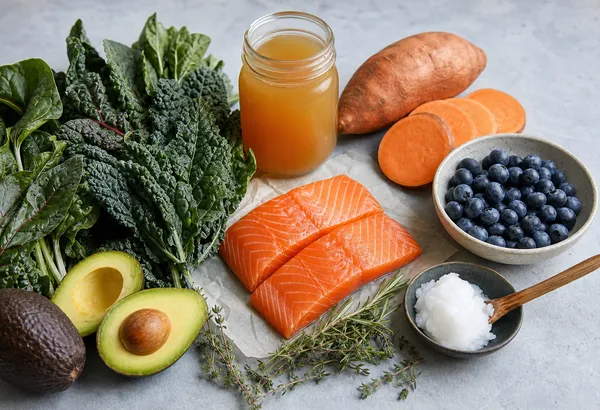
An encyclopedic guide to the Autoimmune Protocol covering nightshade derivatives hidden in spice blends, seed-based spices, legume gums, grain derivatives, egg forms, food additives, and how to read labels when following AIP.
Jun 9, 2026 | 12 min read
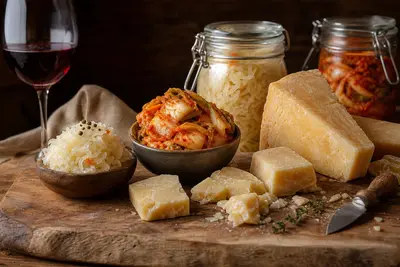
An encyclopedic guide to histamine intolerance covering DAO and HNMT enzyme biochemistry, AOC1 gene polymorphisms, histamine content tables, mast cell activation, diagnostic criteria, and practical label-reading strategies.
Jun 9, 2026 | 14 min read
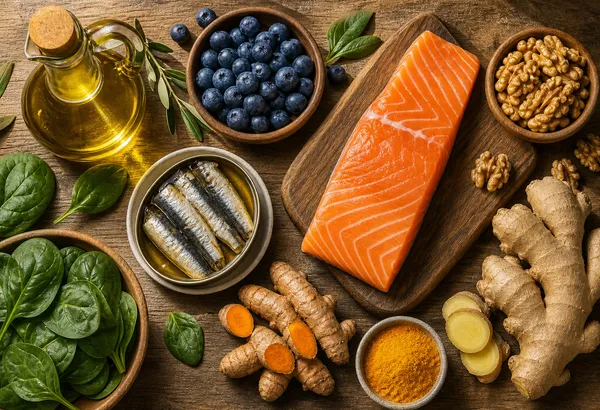
An encyclopedic guide to anti-inflammatory eating covering the omega-6:omega-3 ratio imbalance in processed food, trans fat's CRP-raising effect, curcumin bioavailability, the nightshade inflammation myth, the PREDIMED and MIND trial findings, AGEs from high-heat processing, and why 'anti-inflammatory' is not a regulated label claim.
FAQ
No. A scanner cannot diagnose a food sensitivity or decide whether nightshades affect symptoms. IngrediCheck helps screen labels faster while medical and elimination decisions stay with the shopper and clinician.
Paprika, smoked paprika, chili powder, cayenne, red pepper, potato starch, potato flakes, tomato powder, tomato paste, seasoning blends, and vague flavor systems can be easy to miss.
Some shoppers avoid only tomato and pepper, while others also flag potato, paprika, or spice blends. Saved rules let the scan match that exact household approach.
Scan labels, see what fits your food notes, and read the why in plain English.