Fermented and aged foods
Aged cheese, fermented soy, vinegar, cultured products, yeast extracts, cured meat, and fermented vegetables are common categories to review under a saved low-histamine plan.
Low-histamine shopping is hard because labels rarely state histamine level, and tolerance can vary by person, portion, freshness, and storage. IngrediCheck helps you scan packaged foods against saved low-histamine rules, flag common fermented, aged, cured, and preserved patterns, and keep medical decisions separate from label triage.
Quick answer
A low-histamine ingredient checker can flag fermented, aged, cured, smoked, and preserved-food clues, but labels do not report histamine concentration. IngrediCheck helps apply your saved avoidance list while freshness, storage, portion size, diagnosis, and individual tolerance remain outside what a barcode scan can determine.
What It Catches
Workflow
Read the label
Aged cheese, fermented soy, vinegar, cultured products, yeast extracts, cured meat, and fermented vegetables are common categories to review under a saved low-histamine plan.
Smoked fish, processed meat, canned fish, extracts, sauces, flavor systems, benzoates, and sulfites may deserve attention depending on the person's clinician-guided list.
Storage time, refrigeration, leftovers, ripeness, and handling can change the practical decision without changing the ingredient panel, so a scan cannot provide the whole answer.
Decision boundary
IngrediCheck can surface categories and additives that match a saved low-histamine rule; it cannot measure histamine, diagnose intolerance, or account for freshness and cumulative exposure. Use it for consistent triage and keep symptom, portion, storage, and treatment decisions with an appropriate clinician.
Detailed label guide
Packaged foods do not carry a standardized low-histamine declaration, and an ingredient panel does not report histamine concentration. The practical first pass is therefore pattern recognition: aged cheese, cured meat, fermented soy, cultured products, vinegar, yeast extracts, fermented vegetables, smoked or canned fish, and other preserved components are categories many clinician-guided plans review. The scanner should name the matching term without claiming that the finished food contains a known amount of histamine.
Freshness and handling can change the practical decision even when two labels are identical. Storage time, refrigeration, ripeness, leftovers, processing, and portion size do not fit inside a barcode result. Use the scan to narrow the label work, then apply the freshness and storage guidance in the person's plan before deciding whether the food fits.
Benzoates, sulfites, flavor enhancers, extracts, sauces, and additive-heavy products may appear on a person's avoidance list, but those choices are not a universal low-histamine rule. Mark them as profile-specific review items and show the exact declared term. That keeps a direct fermented-food clue distinct from an additive the shopper is tracking because of a symptom diary or clinician-guided elimination trial.
This distinction matters when comparing prepared meals, condiments, snack foods, protein products, and long ingredient lists. One product may contain an obvious fermented component, another may contain only a personally tracked preservative, and a third may have no label match while still raising a freshness question. A clear explanation is more useful than collapsing all three into the same warning.
A low-histamine scanner is most useful for someone who already has a defined working list. Save firm avoid rules separately from foods or additives that only need review, scan comparable products with the same profile, and record the actual meal, portion, freshness, and symptoms outside the label result. Delayed or cumulative symptoms cannot be attributed to one printed ingredient by the app.
Restriction should not grow automatically each time a broad pattern matches. Diagnosis, nutrient adequacy, medication questions, reintroduction, and treatment belong with an appropriate clinician or dietitian. IngrediCheck can make repeated shopping checks more consistent; it cannot supply the full text of a research paper, diagnose DAO deficiency, or determine whether excluding a food is justified for a particular person.
Compare the result with the full eating context before assigning a cause. A sauce may match because it contains vinegar, a prepared meal because it includes cured meat, and a snack because it contains a personally tracked preservative. The same meal can also include several portions and leftovers stored for different lengths of time. Keep those observations in the symptom record, revise the saved rule only through the planned elimination or reintroduction process, and avoid presenting correlation from one meal as proof about a specific ingredient.
For a fair product comparison, scan the exact declarations and hold the saved profile constant. Note whether each package is shelf-stable, refrigerated, fermented, aged, canned, smoked, or intended for leftovers, because those facts can affect a person's review without appearing as a single ingredient match. If symptoms change, bring the diary, serving details, storage history, and planned reintroduction sequence to the clinician rather than expanding the avoidance list from the app result alone. This preserves the scanner's useful role: organizing label evidence while keeping diagnosis and individualized diet decisions outside the software.
Related Scanner Paths
Nightshade-Free Ingredient Checker App
Scan nightshade-free labels for tomato, paprika, chili pepper, potato starch, spice blends, and saved household rules with IngrediCheck.
Sattvic Ingredient Checker App
Scan labels for sattvic food rules, onion, garlic, preservatives, alcohol-based extracts, refined sugars, and additives with IngrediCheck.
AIP Ingredient Checker App
Scan packaged foods against AIP-style saved rules for grains, legumes, dairy, nightshades, seeds, and additives with IngrediCheck.
Nitrates and nitrites
Nitrates and nitrites are curing agents used in processed meats to control microbes, preserve color, and deliver the familiar flavor profile of bacon, deli meat, and sausages. They are functional ingredients, not just cosmetic extras.
Sodium benzoate
E211 preservative, preservative 211, and INS 211 all mean sodium benzoate. It appears most often in acidic beverages, sauces, condiments, and shelf-stable products, where it helps keep bacteria, yeasts, and moulds from growing.
MSG
MSG is a flavor enhancer used in savory packaged foods such as soups, noodles, snacks, and seasoning systems. It matters because it remains legally accepted by mainstream regulators while still carrying unusually strong cultural baggage in clean-label and retailer discussions.
Label Clues
preservative
Nitrates and nitrites: what it does in food, current safety notes, diet compatibility, and shopper guidance from IngrediCheck.
preservative
Preservative 211, INS 211, and E211 all mean sodium benzoate. Check uses, benzene risk with vitamin C, Europe status, and label names.
additive
MSG: what it does in food, current safety notes, diet compatibility, and shopper guidance from IngrediCheck.
Related Guides

Jun 9, 2026 | 12 min read
An encyclopedic guide to histamine intolerance covering DAO and HNMT enzyme biochemistry, AOC1 gene polymorphisms, histamine content tables, mast cell activation, diagnostic criteria, and practical label-reading strategies.

Apr 21, 2026 | 8 min read
A practical guide to checking packaged foods against your own allergies, diets, and ingredient preferences, instead of relying on a generic food score.

Apr 13, 2026 | 8 min read
A low FODMAP scanner or FODMAP ingredient checker for IBS can help flag high-FODMAP ingredients like inulin, polyols, and fructans faster than manual label reading. Here's how IngrediCheck helps.
Jun 20, 2026 | 12 min read
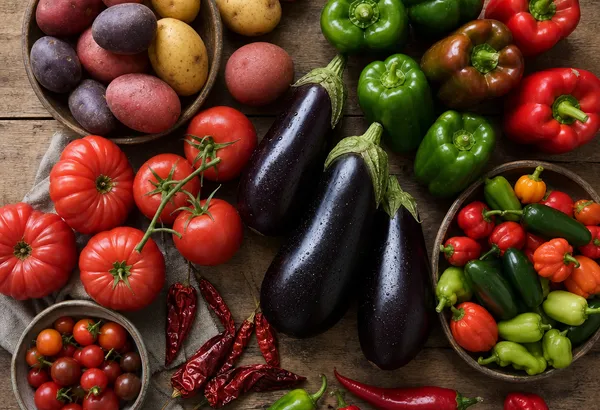
An encyclopedic guide to nightshade vegetables covering the full Solanaceae family, solanine and glycoalkaloid safety thresholds, the arthritis-inflammation claim examined against the evidence, and every hidden nightshade source in spices and processed foods.

Jun 9, 2026 | 13 min read
Low FODMAP guide to inulin, polyols, and hidden ingredients on packaged-food labels, including onion, garlic, chicory root, lactose, and fructose.
FAQ
No. Histamine intolerance is not diagnosed from a food label or barcode. IngrediCheck can support label screening, but persistent symptoms and diet restriction decisions should be handled with a clinician or dietitian.
Allergen labels identify specific regulated allergens, while histamine concerns often depend on fermentation, aging, storage, freshness, portion size, and personal tolerance.
Sauces, condiments, cured or preserved foods, fermented products, prepared meals, snack foods, and long ingredient lists are often the best candidates for a first-pass scan.
Scan labels, see what fits your food notes, and read the why in plain English.