Named seed oils
Canola, soybean, sunflower, safflower, cottonseed, grapeseed, corn, sesame, and rice bran oils are direct matches only when they belong to the rule the shopper saved.
Seed-oil-free shopping is mostly a packaged-food label problem. IngrediCheck helps you scan products against saved rules for soybean, canola, sunflower, safflower, cottonseed, grapeseed, corn, rice bran, and blended vegetable oils, then compare products without turning seed oils into a universal health verdict.
Quick answer
A seed-oil-free ingredient checker should flag the specific oils in your saved rule, including blended vegetable oil and fat systems, without declaring every seed oil unhealthy. IngrediCheck makes those label terms easier to compare while restaurant oils, processing aids, and undisclosed formulations may still require confirmation.
What It Catches
Workflow
Read the label
Canola, soybean, sunflower, safflower, cottonseed, grapeseed, corn, sesame, and rice bran oils are direct matches only when they belong to the rule the shopper saved.
Vegetable oil blends, shortening, margarine, frying oil, emulsified sauces, and parenthetical oil lists can make the actual fat source harder to spot at a glance.
A seed-oil preference is not the same as sesame, soy, or another food allergy. Keep ingredient-preference flags separate from medically important allergen profiles and precautionary statements.
Decision boundary
The app can compare declared oils with your saved list and explain the match. It cannot reveal restaurant fryer oil, undeclared processing aids, or supplier substitutions, and it does not claim seed oils are universally good or bad. Confirm uncertain products directly with the maker.
Detailed label guide
Seed-oil-free is a preference label, not a standardized regulatory claim, so the first job is to define the household's list. Common choices include soybean, canola, sunflower, safflower, cottonseed, grapeseed, corn, sesame, and rice bran oil. Keep that list editable instead of assuming every shopper uses the same definition, and show the exact oil that matched rather than returning a generic processed-food warning.
Check parenthetical declarations and alternate forms as well as standalone ingredients. A label may say vegetable oil followed by a list of possible sources, or place an oil inside mayonnaise, dressing, seasoning, shortening, margarine, a filling, or a sauce. The current package matters because manufacturers can substitute oils or use different formulas by region.
Seed oils often appear in snacks, sauces, dressings, frozen meals, baked goods, and other packaged foods that also contain refined starches, added sugars, emulsifiers, stabilizers, and flavor systems. That overlap can make two different questions look like one. Report the oil match first, then let the shopper review any broader ultra-processed pattern separately instead of using one as proof of the other.
This also avoids turning a saved preference into a universal health verdict. The app can help a shopper compare declared ingredients, but it should not claim that every product containing a seed oil is unsafe or that an oil-free product is automatically nutritious. Open the evidence guide when the goal is to understand the health debate; use the ingredient checker when the goal is to apply a chosen shopping rule consistently.
Scan similar crackers, dressings, sauces, frozen meals, or snack bars with the same saved rule and compare the reasons shown. One may name sunflower oil directly, another may use a multi-source vegetable-oil blend, and a third may use a preferred oil but contain other ingredients the shopper wants to review. The useful outcome is a transparent comparison, not a vague cleaner score.
Restaurant fryer oil, shared fryers, undeclared processing aids, and supplier substitutions are outside the ingredient panel. Ask the restaurant or manufacturer when those details control the decision, and keep allergy profiles separate: avoiding seed oils as a preference is not the same as managing sesame, soy, or another diagnosed food allergy.
Related Scanner Paths
AIP Ingredient Checker App
Scan packaged foods against AIP-style saved rules for grains, legumes, dairy, nightshades, seeds, and additives with IngrediCheck.
Food Allergy Scanner App
IngrediCheck's free ingredient allergen checker tool reviews major allergens, precautionary labels, ingredient clues, and family-specific food avoidance rules.
Nightshade-Free Ingredient Checker App
Scan nightshade-free labels for tomato, paprika, chili pepper, potato starch, spice blends, and saved household rules with IngrediCheck.
Seed oils
Seed oils are common edible oils used in cooking, frying, dressings, sauces, and packaged foods. They are controversial mostly because internet claims treat a broad class of oils as one ingredient with one health outcome.
BHA
BHA is a synthetic antioxidant preservative added to fats and oils in frozen meals, breakfast cereals, cookies, candy, ice cream, meat products, and other packaged foods. It is useful for shelf life, but it also carries one of the most persistent reputational and toxicology debates in the food supply.
BHT
BHT is a synthetic antioxidant preservative used to protect fats and oils from oxidation in cereals, snacks, gum, and other shelf-stable foods. It matters because it often appears in the same product ecosystem as BHA and has become part of the wider re-evaluation of older synthetic preservatives.
Label Clues
additive
Seed oils: what it does in food, current safety notes, diet compatibility, and shopper guidance from IngrediCheck.
preservative
BHA preservative: where it appears, why FDA review and cancer concerns keep it controversial, and how to compare snack labels.
preservative
BHT: what it does in food, current safety notes, diet compatibility, and shopper guidance from IngrediCheck.
Related Guides

Mar 17, 2026 | 11 min read
The internet says seed oils are toxic. Harvard, Johns Hopkins, and 30+ clinical trials say otherwise. Here's what the evidence actually shows — and where the real concerns are.

Apr 21, 2026 | 8 min read
A practical guide to checking packaged foods against your own allergies, diets, and ingredient preferences, instead of relying on a generic food score.
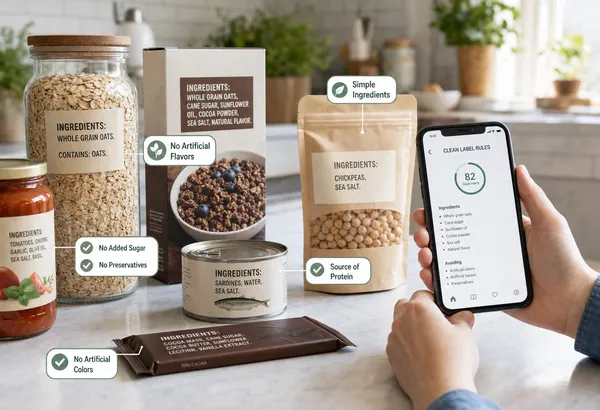
May 9, 2026 | 9 min read
A clean label food scanner helps shoppers review additive names, natural flavor claims, preservative wording, sweeteners, dyes, and saved ingredient preferences.
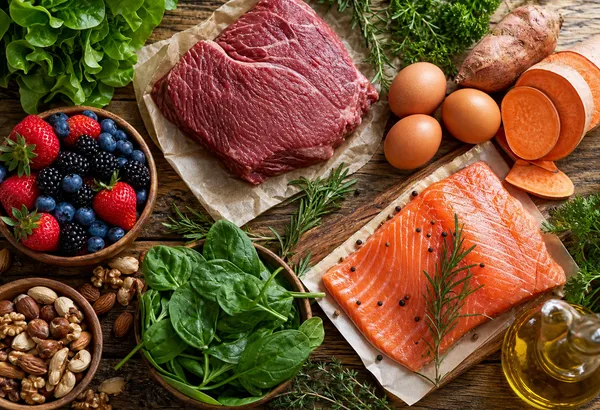
Jun 11, 2026 | 12 min read
An encyclopedic guide to the Paleo diet covering grain derivatives (maltodextrin, modified starch, dextrose) hiding in packaged food, legume-derived gums and proteins, seed oils in dressings and snacks, how to identify truly Paleo-compliant labels, and where Paleo and Whole30 differ.
FAQ
No. IngrediCheck helps shoppers apply their saved ingredient preferences. It can flag seed oils, but it does not turn a personal avoidance rule into a universal medical or nutrition verdict.
Soybean, canola, sunflower, safflower, cottonseed, grapeseed, corn, rice bran, and generic vegetable oil blends are common terms to review.
Many shoppers encounter seed oils most often inside snacks, sauces, dressings, frozen meals, and baked goods, where the oil is one line inside a longer ingredient list.
Scan labels, see what fits your food notes, and read the why in plain English.


