BHA
BHA preservative: where it appears, why FDA review and cancer concerns keep it controversial, and how to compare snack labels.
Aliases and label clues
Overview
BHA is a synthetic antioxidant preservative added to fats and oils in frozen meals, breakfast cereals, cookies, candy, ice cream, meat products, and other packaged foods. It is useful for shelf life, but it also carries one of the most persistent reputational and toxicology debates in the food supply.
Diet snapshot
What It Does in Food
BHA is most commonly used as antioxidant preservative and shelf-life extender in packaged food.
Category
Preservative
Evidence and Regulatory Summary
BHA remains permitted in the U.S., even though the National Toxicology Program and other bodies have kept safety concerns in view for decades. The FDA's newer post-market review work is exactly why BHA remains an ingredient worth watching.
Diet Notes
BHA is not a gluten-free or vegan screening issue so much as a preservative-risk and reformulation issue. Shoppers who prioritize simpler ingredient panels often use it as a fast reason to compare alternatives.
Shopper Guidance
BHA is a strong tiebreaker ingredient. In categories where you have an equivalent product without it, many label-conscious shoppers will choose the simpler option and avoid treating a legacy preservative as unavoidable.
Next Label Check
Use BHA in the scanner and topic paths around it
Scanner workflows
Sattvic Ingredient Checker App
Scan labels for sattvic food rules, onion, garlic, preservatives, alcohol-based extracts, refined sugars, and additives with IngrediCheck.
Seed-Oil-Free Ingredient Checker App
Scan labels for soybean, canola, sunflower, safflower, cottonseed, grapeseed, corn, and rice bran oils with IngrediCheck.
Related topic hubs
Related ingredient profiles
BHT
BHT is a synthetic antioxidant preservative used to protect fats and oils from oxidation in cereals, snacks, gum, and other shelf-stable foods. It matters because it often appears in the same product ecosystem as BHA and has become part of the wider re-evaluation of older synthetic preservatives.
Propylparaben
Propylparaben is a preservative used to slow spoilage in certain processed foods, especially where fat and moisture make shelf life fragile. It draws attention because the United States and Europe have treated the ingredient very differently.
Sodium benzoate
E211 preservative, preservative 211, and INS 211 all mean sodium benzoate. It appears most often in acidic beverages, sauces, condiments, and shelf-stable products, where it helps keep bacteria, yeasts, and moulds from growing.
Calcium propionate
Calcium propionate is a mold-inhibiting preservative commonly used in bread, buns, tortillas, and other packaged baked goods. It matters because it sits at the center of a real shelf-life tradeoff between softer bread products and simpler ingredient decks.
Related Guides
Read the connected explainers
Ingredient Deep Dives
Mar 9, 2026 | 10 min read
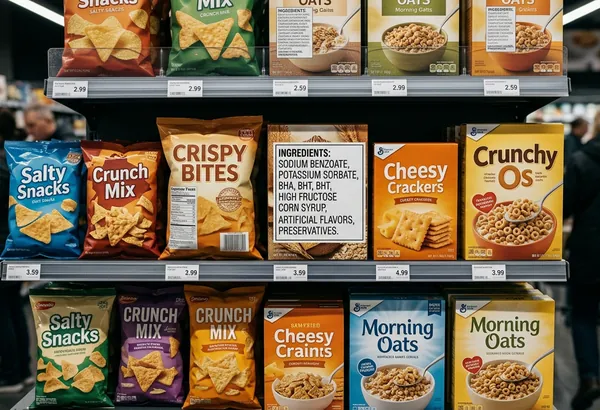
BHA: The Preservative the FDA Is Finally Reviewing
BHA has been listed as a probable carcinogen since 1991 and banned from general food use in the EU. The FDA issued a safety review request in February 2026 — 35 years later.
Ingredient Deep Dives
May 13, 2026 | 8 min read
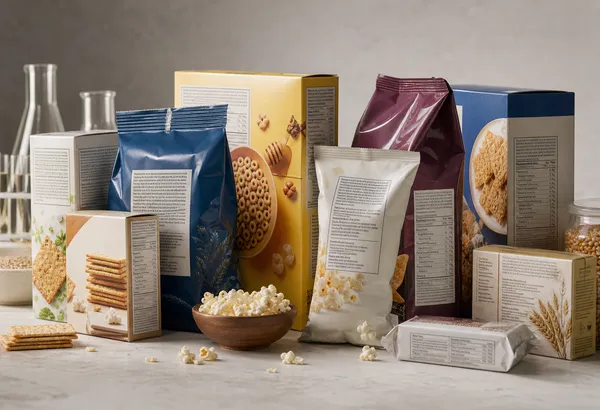
TBHQ: The Preservative in Your Crackers and Cereal
TBHQ is an antioxidant preservative used to protect fats and oils in shelf-stable foods. Learn where it appears, what regulators say, and how to screen labels.
Food Policy Watch
Mar 9, 2026 | 12 min read
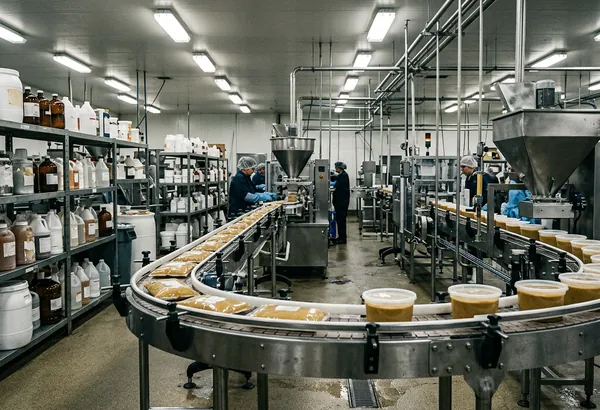
The GRAS Loophole: How Food Chemicals Skip FDA Review
Since 2000, nearly 99% of new food chemicals entered the American food supply without FDA safety review. The FDA is finally proposing to close the loophole.
FAQ
Common questions
What foods commonly contain BHA?
FDA says BHA is used to prevent spoilage of fats and oils and can appear in frozen meals, breakfast cereals, cookies, candy, ice cream, meat products, and other fat-containing packaged foods.
Why do shoppers avoid BHA?
Some shoppers avoid it because it has a long-running toxicology debate and is part of FDA's broader post-market chemical review conversation.
Is BHA a diet restriction issue?
Usually no. It is more of a preservative and ingredient-simplicity issue than a gluten-free, vegan, or low FODMAP rule.
Sources
This profile uses medical, regulatory, and news sources and follows the IngrediCheck editorial policy.
Report on Carcinogens Profile for Butylated Hydroxyanisole
FDA Advances Robust, Transparent Post-Market Chemical Review Program to Keep Food Supply Safe and Healthy
FDA Launches Assessment of BHA, a Common Food Chemical Preservative
FDA Reassesses BHA Safety as States Target the Preservative
Get the app for clearer label decisions.
Scan labels, see what fits your food notes, and read the why in plain English.