Seed oils
Seed oils: what it does in food, current safety notes, diet compatibility, and shopper guidance from IngrediCheck.
Aliases and label clues
Related topics
Overview
Seed oils are common edible oils used in cooking, frying, dressings, sauces, and packaged foods. They are controversial mostly because internet claims treat a broad class of oils as one ingredient with one health outcome.
Diet snapshot
What It Does in Food
Seed oils is most commonly used as cooking fat, carrier oil, and texture base in packaged food.
Category
Additive
Evidence and Regulatory Summary
The strongest modern evidence does not support the loudest anti-seed-oil claims about inflammation on its own. The better question is how seed oils function inside ultra-processed food patterns, not whether every use behaves like a toxic exposure.
Diet Notes
Seed oils are usually compatible with gluten-free, vegan, and dairy-free diets, which is one reason they are so common in packaged food. The real tradeoff is usually processing level, frequency, and product category, not a universal ban rule.
Shopper Guidance
Do not let one seed-oil label override the whole product. Compare oils in context: a lightly processed pantry staple, a fried snack, and a shelf-stable frozen meal tell very different stories even when the oil source overlaps.
Next Label Check
Use Seed oils in the scanner and topic paths around it
Scanner workflows
AIP Ingredient Checker App
Scan packaged foods against AIP-style saved rules for grains, legumes, dairy, nightshades, seeds, and additives with IngrediCheck.
Food Allergy Scanner App
IngrediCheck's free ingredient allergen checker tool reviews major allergens, precautionary labels, ingredient clues, and family-specific food avoidance rules.
Nightshade-Free Ingredient Checker App
Scan nightshade-free labels for tomato, paprika, chili pepper, potato starch, spice blends, and saved household rules with IngrediCheck.
Related topic hubs
Related Guides
Read the connected explainers
Ingredient Deep Dives
Mar 17, 2026 | 11 min read
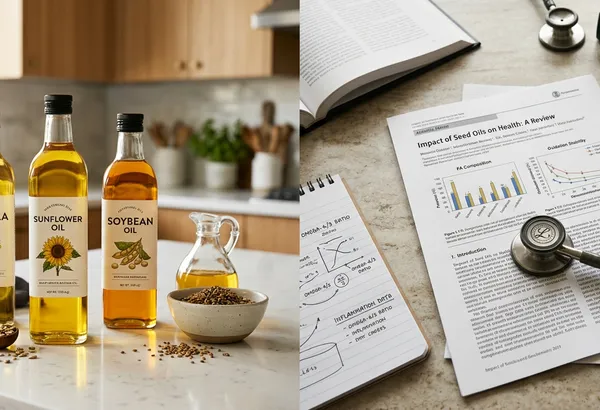
Are Seed Oils Bad for You? 30+ Studies Say No — Mostly
The internet says seed oils are toxic. Harvard, Johns Hopkins, and 30+ clinical trials say otherwise. Here's what the evidence actually shows — and where the real concerns are.
Dietary Guides
Jun 9, 2026 | 14 min read
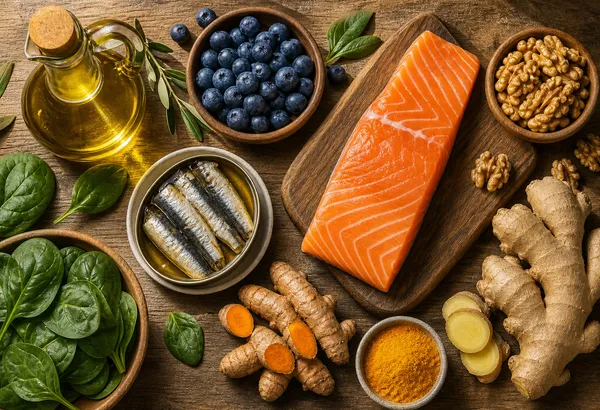
Anti-Inflammatory Dietary Guide: Omega-6 Ratios, Hidden Additives, and What the Evidence Says
An encyclopedic guide to anti-inflammatory eating covering the omega-6:omega-3 ratio imbalance in processed food, trans fat's CRP-raising effect, curcumin bioavailability, the nightshade inflammation myth, the PREDIMED and MIND trial findings, AGEs from high-heat processing, and why 'anti-inflammatory' is not a regulated label claim.
Label Reading Guides
May 9, 2026 | 9 min read
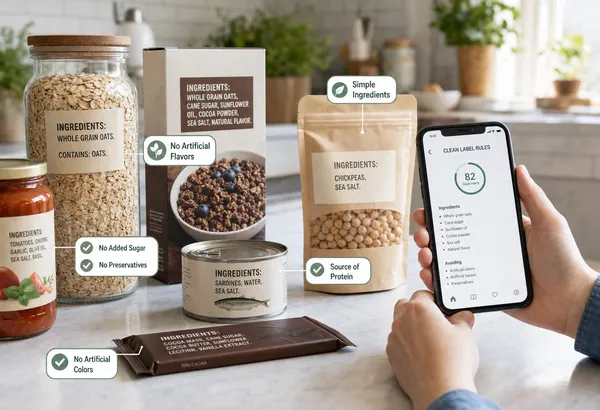
Clean Label Food Scanner: Check Additives and Ingredient Claims
A clean label food scanner helps shoppers review additive names, natural flavor claims, preservative wording, sweeteners, dyes, and saved ingredient preferences.
Sources
This profile uses academic, medical, and journal sources and follows the IngrediCheck editorial policy.
Get the app for clearer label decisions.
Scan labels, see what fits your food notes, and read the why in plain English.