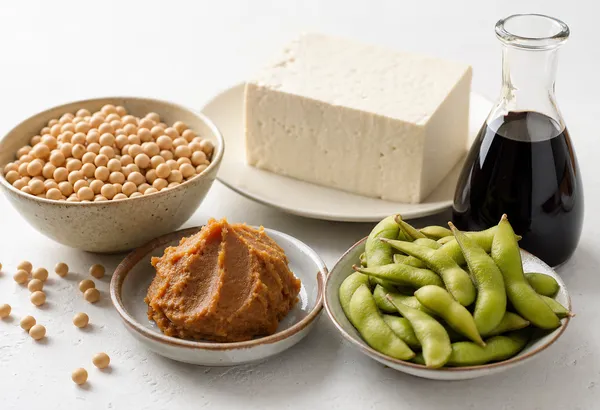
Direct soy proteins
Soy protein isolate, soy flour, textured vegetable protein, tofu, tempeh, miso, edamame, soy milk, and soy sauce are clearer first-pass matches than refined derivatives.
Soy-free shopping can get confusing because soy shows up as an obvious allergen, a refined oil, a lecithin source, a protein, or a hidden derivative. IngrediCheck helps you use a soy-free scanner workflow to screen the label and decide what needs closer confirmation.
Quick answer
A soy-free ingredient checker should flag soy protein, flour, milk, sauce, miso, tofu, and other direct sources while separating refined oil and lecithin questions. IngrediCheck applies the soy rule you saved, but allergy exceptions and cross-contact decisions still belong with the shopper and clinician.
What It Catches
Workflow
Read the label
Soy protein isolate, soy flour, textured vegetable protein, tofu, tempeh, miso, edamame, soy milk, and soy sauce are clearer first-pass matches than refined derivatives.
Soy lecithin and highly refined soybean oil are handled differently by some allergy plans and labeling rules. Keep them visible without assuming every household applies the same exception.
Hydrolyzed vegetable protein, seasoning systems, sauces, meat substitutes, protein bars, and imported products can deserve a slower read for both soy source and precautionary wording.
Decision boundary
A scan can explain declared soy terms and show which profile they affect. It cannot confirm cross-contact controls, protein residue in a refined ingredient, or whether an individual exception is medically appropriate. Save the rule recommended for that person and verify uncertain products with the manufacturer.
Detailed label guide
The obvious soy foods are only the first layer. Soy flour, soy protein concentrate, soy protein isolate, hydrolyzed soy protein, textured vegetable protein, tofu, tempeh, miso, natto, edamame, soy milk, soy sauce, tamari, and shoyu can appear across snacks, meat substitutes, seasoning packets, desserts, and prepared meals. A useful first pass names the exact term that matched so the shopper can distinguish a direct protein source from a vague warning.
The allergen statement helps, but it does not replace the complete ingredient list. Formulas change, imported products may use unfamiliar wording, and a product can include several soy-derived ingredients for different purposes. Recheck the current package even when the brand is familiar, then treat natural flavors, vegetable protein, broth, and seasoning systems as needs-review categories when the source is not declared clearly.
Highly refined soybean oil is treated differently from soy protein under United States allergen-labeling rules because highly refined oils and ingredients derived from them are excluded from the major-allergen definition. Cold-pressed, expeller-pressed, and extruded oils are a different question. Soy lecithin is another distinct category: some allergy plans allow it, some households prefer to avoid it, and neither choice should be silently applied to every profile.
Save those distinctions explicitly. One profile might avoid direct soy protein, flag lecithin for review, and accept highly refined soybean oil; another might avoid every soy-derived ingredient for a non-allergy preference. The scanner should show which rule produced the result, while the shopper follows allergist guidance for medical exceptions and asks the manufacturer when refining, protein residue, or cross-contact controls determine the decision.
Soy-free shopping often involves more than one household rule. A vegan product can rely heavily on soy protein, a dairy-free snack can use soy lecithin, and a familiar sauce can change from one soy source to another. Scan comparable products with the same saved profile, review the direct matches before the ambiguous ones, and keep may-contain or shared-equipment language visible rather than mixing it into the ingredient verdict.
For serious allergy risk, the result is a screening aid rather than a safety certification. Confirm uncertain derivatives and facility practices with the maker, keep the package label as the source of truth, and follow the emergency and avoidance plan provided for the individual shopper.
Allergen disclosure makes soy easier to find, but it does not turn every purchase into a one-step decision. The same product can be acceptable under a preference-based profile and require a manufacturer call under an allergy profile. Restaurant-style sauces, imported foods, protein bars, meat substitutes, chocolate, bakery products, and seasoning mixes are especially useful comparison cases because direct soy, lecithin, oil, flavor systems, and precautionary language can appear together. Scan the current package, confirm which matched term controls the result, and avoid carrying one person's exception into every household profile. When the label changes, treat the scan as new evidence rather than relying on purchase history.
Imported or food-service products can also follow labeling conventions that differ from the familiar grocery package. Translate the actual ingredient statement, check whether the soy source is named, and avoid treating a missing United States-style Contains line as proof that soy is absent. If the declaration is incomplete or the package is not available, the scan should remain unresolved until better evidence is available.
Related Scanner Paths
Check Foreign Food Labels Against Your Food Notes
Use IngrediCheck to photograph some foreign food labels, review available ingredient information, and check it against saved Food Notes while traveling.
Food Allergy Scanner App
Use IngrediCheck's food allergy scanner workflow to review major allergens, precautionary labels, ingredient clues, and family-specific food rules.
Halal Ingredient Checker App
Review food labels for halal shopping rules, pork-derived ingredients, alcohol, gelatin, and source-dependent additives with IngrediCheck.
Lecithin
Lecithin is a broad label term for phospholipid-rich emulsifiers used in chocolate, baked goods, dressings, infant foods, and supplements. The source can be soy, sunflower, egg, or less commonly animal tissue.
MSG
MSG is a flavor enhancer used in savory packaged foods such as soups, noodles, snacks, and seasoning systems. It matters because it remains legally accepted by mainstream regulators while still carrying unusually strong cultural baggage in clean-label and retailer discussions.
Gluten
Gluten is the protein network that gives wheat-based dough elasticity, chew, and structure. It matters to label readers because avoiding gluten is not just about bread; it is about derivatives, cross-contact, and reformulation drift across packaged foods.
Label Clues
emulsifier
Lecithin: what it does in food, current safety notes, diet compatibility, and shopper guidance from IngrediCheck.
additive
MSG: what it does in food, current safety notes, diet compatibility, and shopper guidance from IngrediCheck.
protein
Gluten: what it does in food, current safety notes, diet compatibility, and shopper guidance from IngrediCheck.
Related Guides
Jun 7, 2026 | 11 min read
Soy is one of the most widely used food ingredients in the American diet, appearing in deli meats, canned tuna, baked bread, and fast food under names most shoppers never associate with soybeans.
Mar 18, 2026 | 10 min read
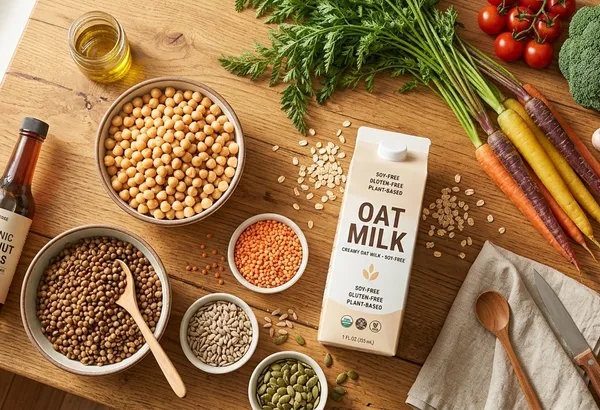
Soy appears in roughly 60% of processed foods under more than 20 different names. If you're managing a soy allergy or intolerance, this guide covers how to read labels fluently, spot hidden soy, and cook deliciously without it.

Apr 21, 2026 | 8 min read
A practical guide to checking packaged foods against your own allergies, diets, and ingredient preferences, instead of relying on a generic food score.

Apr 13, 2026 | 8 min read
A vegan ingredient checker app helps shoppers scan barcodes or ingredient lists, catch hidden animal-derived ingredients like casein, gelatin, whey, shellac, and carmine, and review labels faster.

Jun 16, 2026 | 9 min read
Phrases like 'may contain traces of nuts' or 'made on shared equipment with milk' feel like a warning, but almost nowhere in the world are they actually regulated. Here's what these labels really mean and how allergists say to read them.
FAQ
Not always. Soy lecithin may matter differently depending on allergy severity, medical guidance, and personal avoidance rules, so the scanner should flag it for review rather than hide the nuance.
Yes. Vegan products often use soy-derived proteins or lecithin, so a product can be vegan while still failing a soy-free profile.
Always review the allergen statement, may-contain language, refined oil context, and manufacturer notes when allergy risk is serious.
Scan labels, see what fits your food notes, and read the why in plain English.