Yellow 5
Yellow 5: what it does in food, current safety notes, diet compatibility, and shopper guidance from IngrediCheck.
Aliases and label clues
Overview
Yellow 5 is a synthetic dye used in beverages, desserts, candy, breakfast cereals, chips, and other products that want a bright yellow or orange tone. It often appears alongside other petroleum-based dyes rather than as a one-off ingredient.
Diet snapshot
What It Does in Food
Yellow 5 is most commonly used as synthetic color additive in packaged food.
Category
Food dye
Evidence and Regulatory Summary
Yellow 5 remains part of the broader synthetic-dye transition story rather than a closed chapter. That means shoppers still need practical label guidance even while manufacturers and regulators argue over phase-out speed and evidence thresholds.
Diet Notes
Yellow 5 is mostly a discretionary-exposure ingredient. People screening for it are usually trying to lower dye-heavy packaged-food intake, especially in categories marketed to children or built around artificial color cues.
Shopper Guidance
Treat Yellow 5 as part of a pattern. One chip brand or drink is not the whole question, but repeated dye stacks across several foods can make it easier to choose a less synthetic option when you have one.
Next Label Check
Use Yellow 5 in the scanner and topic paths around it
Related topic hubs
Related ingredient profiles
Red 40
Red 40 is the most widely used synthetic food dye in the United States and shows up across sports drinks, candy, cereal, frosting, and snack products. It matters because it is common, not because every single use case is identical.
Blue 1
Blue 1 is a synthetic certified color additive, also called FD&C Blue No. 1, Brilliant Blue FCF, or E133. It creates vivid blue and blue-green shades in sports drinks, candy, frostings, ice cream, freezer pops, and novelty snacks, and it has become part of the broader retailer and regulatory shift away from synthetic colors.
Yellow 6
Yellow 6 is a widely used orange-yellow synthetic dye found in chips, candy, bakery fillings, beverages, and snack foods. It matters because it is one of the easiest colors for shoppers to spot in mass-market products even when it does not dominate the public conversation like Red 40.
Red Dye No. 3
Red Dye No. 3 is a synthetic food color historically used in candies, cake decorations, and bright red processed foods. It became the most important petroleum-based dye story once the FDA finally moved to revoke its food authorization.
Related Guides
Read the connected explainers
Food Policy Watch
Mar 9, 2026 | 10 min read
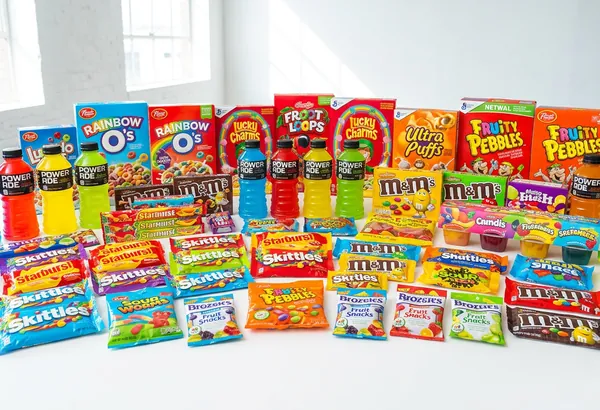
Red 40 & Yellow 5: The 6 Food Dyes the FDA Is Phasing Out
Red 40, Yellow 5, and 4 other petroleum-based dyes are being removed from US food by the FDA after decades of ADHD and hyperactivity concerns. Here's what's still in your pantry.
Food Policy Watch
Apr 13, 2026 | 11 min read
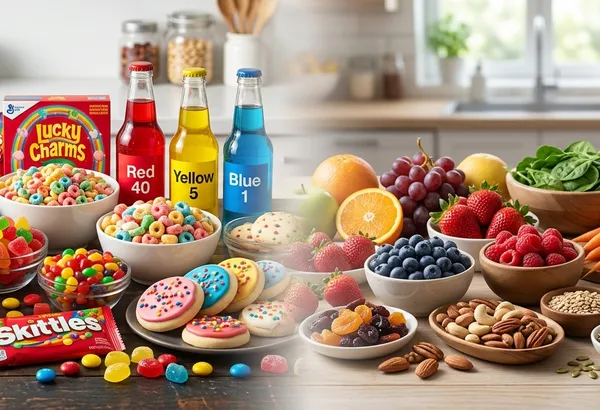
The FDA's 2026 Synthetic Dye Phase-Out: What It Means for Your Family
The FDA is phasing out petroleum-based synthetic food dyes by the end of 2026. Learn which dyes are affected, why they're being removed, and how to identify them in your food.
Food Policy Watch
Mar 23, 2026 | 10 min read
44 Food Additives Banned Abroad: Texas's Warning Label List
Texas passed a law requiring warning labels on foods containing 44 ingredients banned in the EU, Australia, Canada, or the UK. Here's what's on the list and why it matters.
FAQ
Common questions
What foods commonly contain Yellow 5?
FDA says Yellow 5 is widely found in foods such as beverages, desserts, candy, and breakfast cereals. It can also appear in brightly colored snacks and mixes.
How is Yellow 5 listed on labels?
Look for FD&C Yellow No. 5, Yellow 5, Yellow No. 5, or tartrazine. FDA requires foods containing FD&C Yellow No. 5 to declare it in the ingredient list.
Is Yellow 5 a natural color?
No. Yellow 5 is a certified synthetic color additive, not a plant, animal, or mineral color exempt from certification.
Sources
This profile uses regulatory and journal sources and follows the IngrediCheck editorial policy.
FDA Tracking Food Industry Pledges to Remove Petroleum-Based Food Dyes
How Safe are Color Additives?
21 CFR 74.705 - FD&C Yellow No. 5
Potential Impacts of Synthetic Dyes on Activity in Children
EFSA Evaluates Southampton Study on Food Additives and Child Behaviour
Get the app for clearer label decisions.
Scan labels, see what fits your food notes, and read the why in plain English.