Carrageenan
Carrageenan: what it does in food, current safety notes, diet compatibility, and shopper guidance from IngrediCheck.
Aliases and label clues
Overview
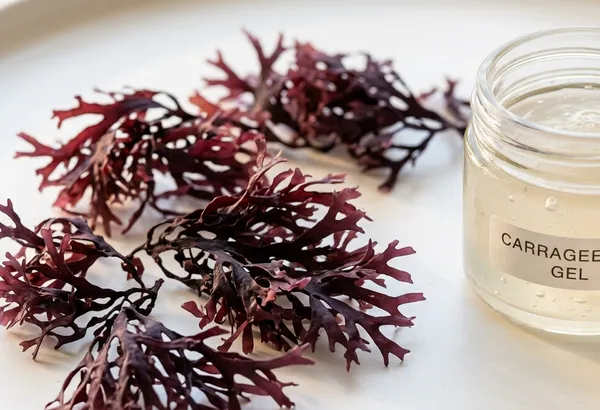
Carrageenan is a seaweed-derived thickener used in dairy alternatives, chocolate milk, deli meat, whipped toppings, and desserts. It is useful in manufacturing because it helps liquids stay smooth and suspended.
Diet snapshot
What It Does in Food
Carrageenan is most commonly used as thickener, gelling agent, and stabilizer in packaged food.
Category
Thickener
Evidence and Regulatory Summary
Carrageenan remains allowed in many markets, but newer gut-health research keeps the ingredient under closer consumer scrutiny than a typical texture aid. The sharpest disagreements are about mechanism, degraded forms, and who may be more sensitive.
Diet Notes
Carrageenan is plant-derived, but tolerance is the bigger issue than source. People with IBS, IBD, or already-irritated digestive systems sometimes treat it as an ingredient worth testing rather than consuming blindly.
Shopper Guidance
If gut symptoms are the reason you read labels carefully, track carrageenan alongside the rest of the product instead of in isolation. It is most useful to compare patterns across products, not to panic over one carton or shake.
Next Label Check
Use Carrageenan in the scanner and topic paths around it
Scanner workflows
AIP Ingredient Checker App
Scan packaged foods against AIP-style saved rules for grains, legumes, dairy, nightshades, seeds, and additives with IngrediCheck.
Check Foreign Food Labels Against Your Food Notes
Use IngrediCheck to photograph some foreign food labels, review available ingredient information, and check it against saved Food Notes while traveling.
Dairy-Free Ingredient Checker App
Use IngrediCheck's dairy-free ingredient checker to scan labels for milk, whey, casein, ghee, lactose, and may-contain milk statements.
Related Guides
Read the connected explainers
Ingredient Deep Dives
Mar 18, 2026 | 10 min read
Carrageenan Explained: Why It Matters for Your Gut
Carrageenan is in thousands of everyday foods, from almond milk to deli meats. Learn what the latest science says about its effects on gut health, who should pay attention, and how to spot it on a label.

Label Reading Guides
Mar 18, 2026 | 10 min read
Navigating Dairy-Free: Hidden Ingredients & Smart Swaps
Dairy hides under dozens of names on food labels — and even 'non-dairy' products can legally contain milk proteins. Learn to spot hidden dairy, make smart swaps, and protect your nutrition when going dairy-free.

Label Reading Guides
Apr 2, 2026 | 10 min read
Low FODMAP Diet: Label Reading Guide for IBS Sufferers
The low FODMAP diet can transform life with IBS, but hidden high-FODMAP ingredients in packaged food make it surprisingly hard to follow. Here's exactly what to look for on labels.
FAQ
Common questions
What is carrageenan used for in food?
Carrageenan is used as a thickener, stabilizer, and gelling agent in foods such as dairy alternatives, chocolate milk, whipped toppings, desserts, and some deli meats.
Is carrageenan dairy-free and vegan?
Carrageenan is seaweed-derived, so it is generally dairy-free and vegan by source. The finished product can still contain milk or other ingredients, so the full label matters.
Why do some shoppers avoid carrageenan?
Some shoppers avoid carrageenan because of gut-sensitivity concerns and debate around digestive effects. It is most useful to compare tolerance patterns across similar products rather than treat one label mention as an emergency.
Sources
This profile uses journal and industry sources and follows the IngrediCheck editorial policy.
Get the app for clearer label decisions.
Scan labels, see what fits your food notes, and read the why in plain English.