Neotame
Neotame: what it does in food, current safety notes, diet compatibility, and shopper guidance from IngrediCheck.
Aliases and label clues
Overview
Neotame is an ultra-potent artificial sweetener used in tiny amounts in reduced-sugar processed foods and beverages. It matters because shoppers often do not notice it even when it is doing a significant amount of the sweetness work in the final formulation.
Diet snapshot
What It Does in Food
Neotame is most commonly used as high-intensity sweetener and sweetness enhancer in packaged food.
Category
Sweetener
Evidence and Regulatory Summary
Neotame remains permitted by both the FDA and EFSA, with recent re-evaluations focusing on continued authorization rather than withdrawal. Aldi's decision to exclude it is therefore a cleaner-label and formulation-trust move, not a straightforward reaction to a legal ban.
Diet Notes
Neotame usually matters to shoppers who are tracking artificial sweetener systems rather than to people screening for classic allergen or diet-identity concerns. Because it is used at very low levels, the bigger question is usually what kind of product architecture it signals.
Shopper Guidance
Use neotame as a pattern clue in reduced-sugar products. Its presence often means you are looking at a highly engineered sweetness system rather than a simpler reformulation built around lower overall sweetness or more familiar ingredients.
Next Label Check
Use Neotame in the scanner and topic paths around it
Related Guides
Read the connected explainers
Ingredient Deep Dives
Apr 27, 2026 | 8 min read
Neotame: The Ultra-Potent Sweetener Most Shoppers Never Notice
Neotame is an ultra-potent sweetener used in tiny amounts, which is exactly why many shoppers never notice it on labels. Here is what it does and why Aldi wants it gone from store brands.
Label Reading Guides
May 13, 2026 | 9 min read
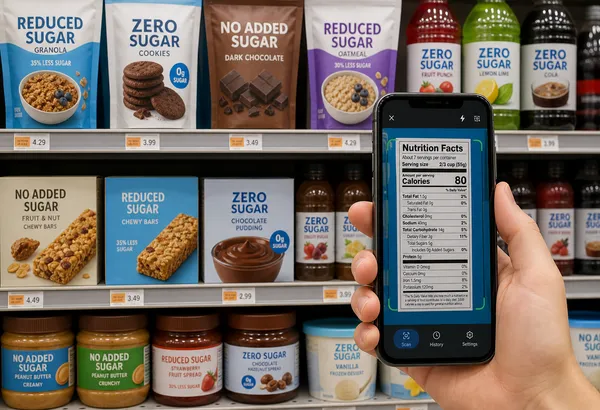
Sugar-Free and No Added Sugar Scanner: Read Claims the Right Way
A sugar-free and no added sugar scanner helps shoppers compare claims, added sugars, sweeteners, sugar alcohols, and hidden carbs against saved rules.
Label Reading Guides
May 13, 2026 | 7 min read
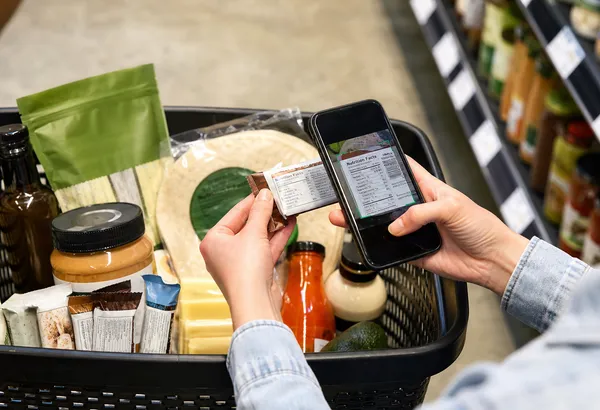
How to Compare Two Keto Snack Labels at the Same Serving Size
Work through two fictional snack labels at a matched amount. Keep carbohydrate arithmetic, ingredient preferences and unanswered questions separate.
Ingredient Deep Dives
Apr 27, 2026 | 8 min read
Acesulfame K: The Artificial Sweetener Aldi No Longer Wants
Acesulfame potassium still shows up in zero-sugar drinks, protein products, and gum even as retailers like Aldi move away from it. Here is what it does and why clean-label standards keep targeting it.
Food Policy Watch
Apr 27, 2026 | 11 min read
ALDI Restricted Ingredients List: All 57 Ingredients
ALDI says its private-label food, vitamin, and supplement products will exclude 57 restricted ingredients by the end of 2027. Here is the full list, grouped and normalized for shoppers.
Food Policy Watch
Mar 26, 2026 | 10 min read
How 'FDA Approved' Food Additives Are Still Making People Sick
The GRAS loophole lets food companies self-certify their own ingredients as safe — without telling the FDA. Here's how approved additives get into your food, and why 'safe' has a much lower bar than you think.
Sources
This profile uses regulatory and journal sources and follows the IngrediCheck editorial policy.
Get the app for clearer label decisions.
Scan labels, see what fits your food notes, and read the why in plain English.