Quick answer: Yellow 6 is a synthetic orange-yellow food dye also called FD&C Yellow No. 6, Sunset Yellow FCF, or E110. It is used to make chips, candy, drinks, icings, baked snacks, and convenience foods look brighter. Yellow 6 is still legal in the U.S., but it sits inside the broader synthetic dye debate because some children may be sensitive to artificial colors and many brands now have simpler color alternatives.
If you start scanning processed snack labels for synthetic dyes, Yellow 6 shows up fast.
It appears in orange chips, candy, powdered drink mixes, bakery fillings, crackers, and shelf-stable snacks that want a warm yellow-to-orange color without relying on natural pigments. It is not the most famous artificial dye, but it is one of the most embedded.
That is why Yellow 6 matters. It sits closer to the center of the real U.S. dye problem than some of the rarer colors do. When the FDA talks about phasing out petroleum-based dyes, Yellow 6 is part of the real commercial workload. When a retailer like Aldi removes it, that decision affects everyday snack and pantry categories, not just novelty products.
What Is Yellow 6 in Food?
Yellow 6 is a certified synthetic color additive. Food manufacturers use it when they want a stable yellow-orange shade that stays consistent across large production runs and long shelf life.
You are most likely to see it in foods where color is part of the product promise:
- orange or cheese-flavored chips
- candy, gummies, and hard sweets
- powdered drink mixes and brightly colored beverages
- frostings, bakery fillings, and snack cakes
- crackers, seasoned snack mixes, and convenience foods
The shopper question is not only "is Yellow 6 allowed?" It is "do I need this color in this food?" If a similar product gets its color from paprika, annatto, turmeric, beta-carotene, or no added color at all, many families choose the simpler label.
Why Yellow 6 Gets More Shopper Attention Than Blue 2 or Green 3
Yellow 6 is simply more visible in ordinary processed food. It is not limited to rare novelty shades. It lands in mainstream snack categories that families buy repeatedly.
That matters because it shifts the problem from "interesting ingredient trivia" to routine exposure pattern. If your household buys dyed chips, crackers, candies, or sports drinks regularly, Yellow 6 can become part of the normal pantry background unless you actively look for it.
This is one reason retailer clean-label moves often highlight Yellow 6 more naturally than obscure dyes. The product categories are common, and the reformulation value is obvious to shoppers.
What the Evidence Supports
California's OEHHA review concluded that synthetic food dyes as a category are associated with neurobehavioral effects in some children. Reviews of human and animal evidence do not say that every child reacts the same way, or that any one dye explains every outcome. They do say the broader concern is strong enough that the category keeps returning to regulators and lawmakers.
Yellow 6 is especially relevant because it is one of the dyes frequently discussed in the same breath as Yellow 5 and Red 40 when families think about brightly colored processed snacks.
That does not mean Yellow 6 carries the exact same evidence profile as each of those other colors. It means it belongs to the same real-world exposure pattern:
- heavily dyed processed foods
- child-facing product categories
- repeated low-level intake across multiple products
For shoppers, that is usually the more important frame.
The Yellow 6 ingredient profile is most useful when you shop by category, not one isolated product at a time.
Ask:
- Which snack categories in my house rely on artificial color most heavily?
- Is Yellow 6 showing up with other dyes on the same label?
- Is there a simpler version of the same product?
- Am I paying for color engineering I do not actually want?
That is the practical question behind most dye reformulation. Yellow 6 is not just a chemical fact. It is a signal that a product is leaning on old synthetic color design rather than a cleaner ingredient direction.
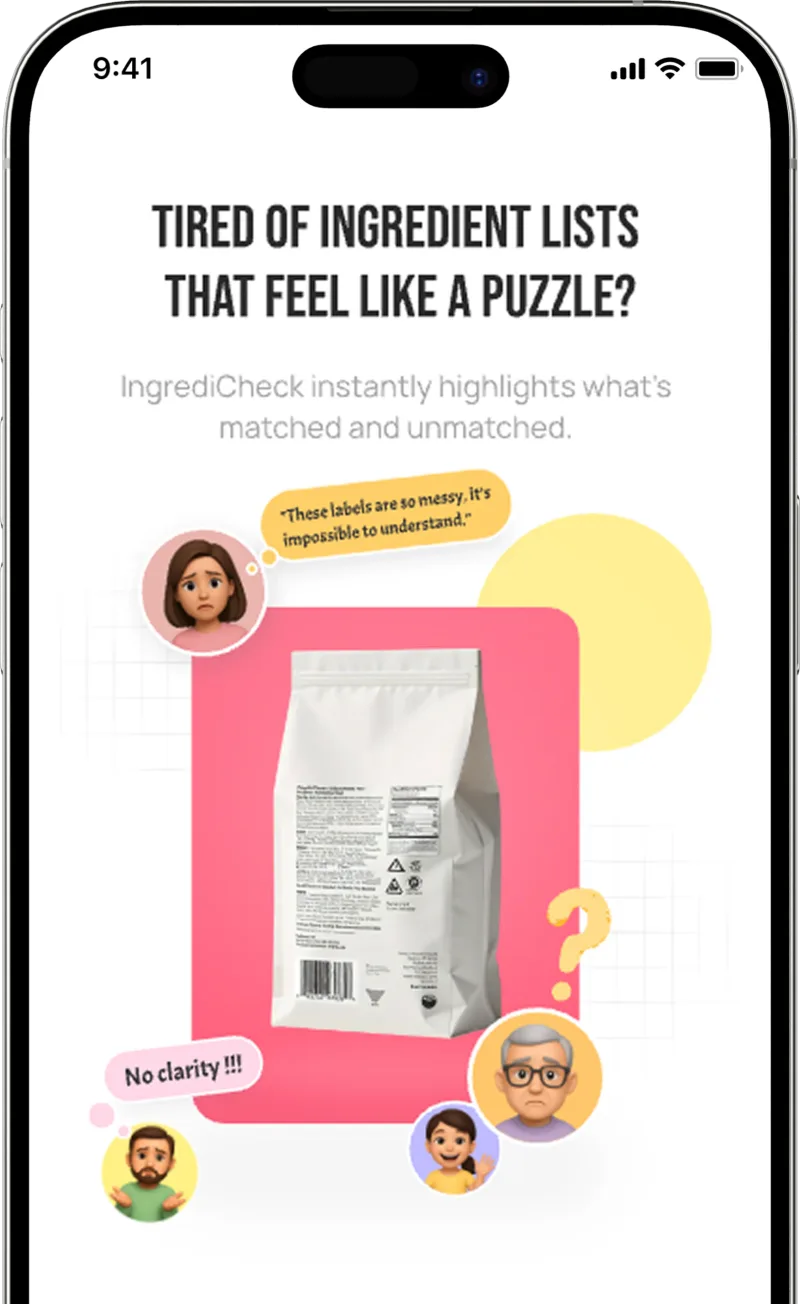
Using IngrediCheck, you can spot Yellow 6 instantly, see when it appears alongside other synthetic colors, and compare that product against alternatives with cleaner labels before it ends up in your cart. That is much easier than trying to manually remember every certified dye name while standing in the snack aisle.
For the broader dye cluster, compare this page with The FDA's 2026 Synthetic Dye Phase-Out: What It Means for Your Family, Red 40, Yellow 5, and the Dyes the FDA Is Finally Phasing Out, the E-Number Glossary for E110 and other dye-code lookups, and the full ALDI Restricted Ingredients List: All 57 Ingredients.