Dietary Guides

Lacto-Ovo Vegetarian Diet Guide: The Full Dairy-and-Egg Vegetarian Standard Explained

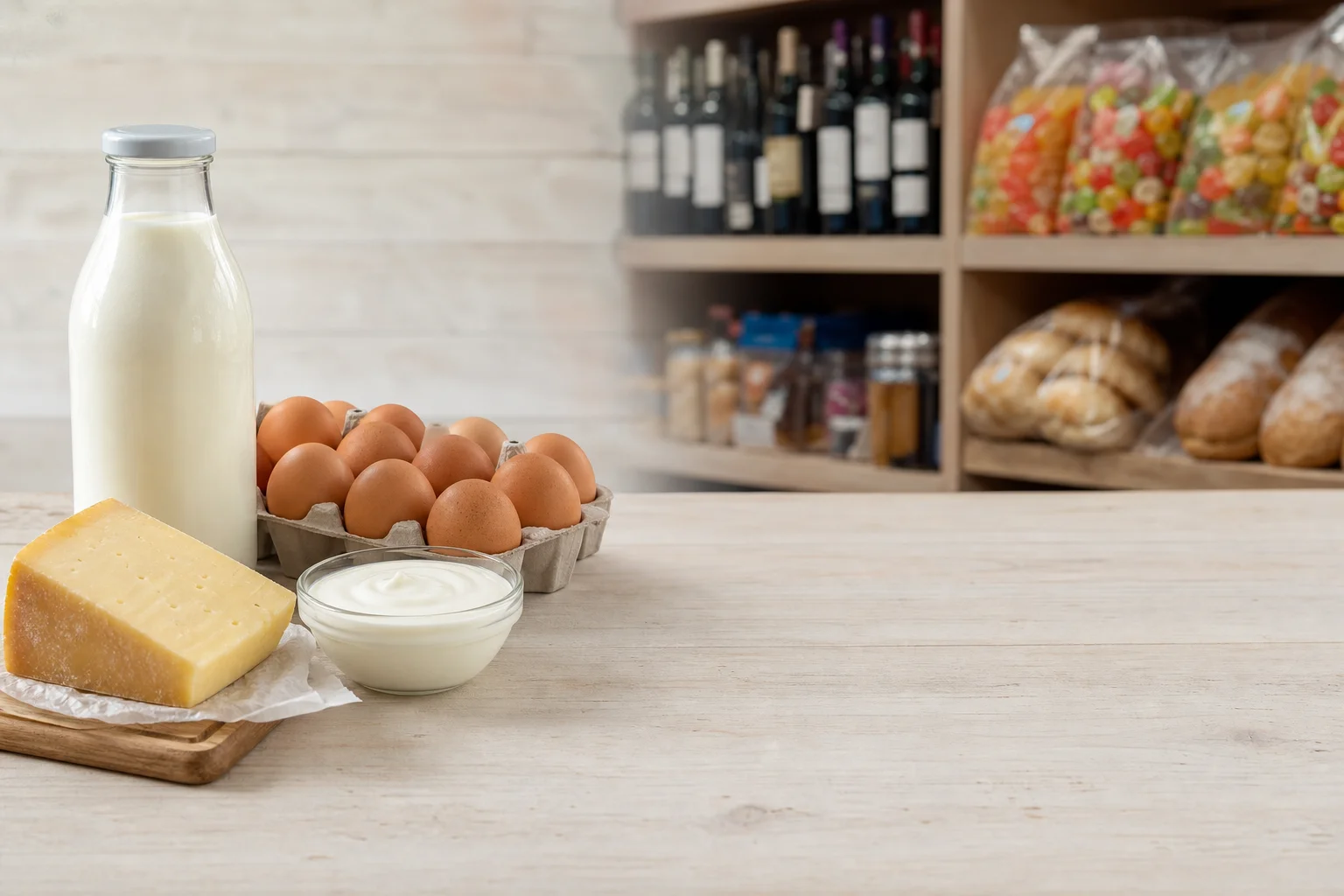
Lacto-ovo vegetarian is the diet most people mean when they say 'vegetarian': no meat, poultry, or fish, but dairy and eggs are both allowed. The real risk is the animal-derived ingredients that are neither.

Jun 23, 2026|13 min read
By Sanket Patel|Updated 2026-06-23|7 sources|Editorial standards
Lacto-Ovo Vegetarian Diet Guide: The Full Dairy-and-Egg Vegetarian Standard Explained

What "Vegetarian" Usually Means: Lacto-Ovo Explained

Ask a random person what "vegetarian" means and most will describe someone who skips meat, poultry, and fish, but still eats cheese, yogurt, milk, and eggs. That everyday definition has a formal name: lacto-ovo vegetarian. The Vegetarian Resource Group defines it plainly: a lacto-ovo vegetarian "does not eat meat, fish or fowl" but "eats dairy and egg products." It is the largest and most common vegetarian sub-type worldwide, and it is almost certainly what a restaurant menu, a grocery store label, or a friend means the first time they say "I'm vegetarian" without further qualification.

The confusion starts because three closely related terms get used loosely, often interchangeably, when they describe genuinely different eating patterns:

DietMeat, poultry, fishDairyEggs
Lacto VegetarianExcludedIncludedExcluded
Ovo VegetarianExcludedExcludedIncluded
Lacto-Ovo VegetarianExcludedIncludedIncluded
VeganExcludedExcludedExcluded

If you arrived here because you avoid eggs but drink milk, you are lacto vegetarian, not lacto-ovo, and a guide built around egg derivatives in dairy products will serve you better. If you eat eggs but treat dairy as off-limits, you are ovo vegetarian, and the ingredients that matter most to you skew toward hidden milk proteins rather than hidden egg proteins. Lacto-ovo vegetarian sits in the middle: both categories are open, which sounds like it should make label reading easier. In practice it makes one specific kind of mistake more likely, and that mistake is the subject of this guide.
Why Dairy and Eggs Become a Blind Spot

Why Dairy and Eggs Become a Blind Spot

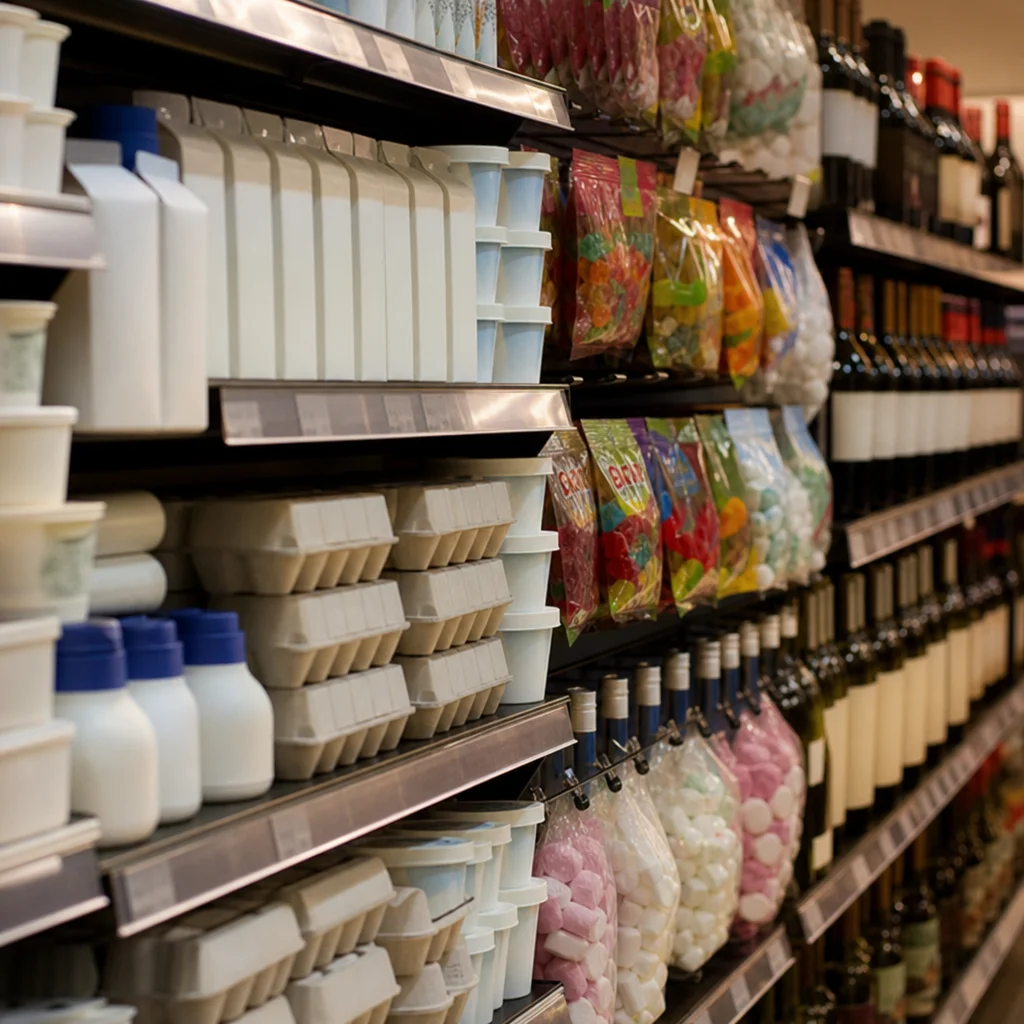
Because both dairy and eggs are permitted, lacto-ovo vegetarians develop a habit that lacto and ovo vegetarians do not: they stop scrutinizing the "dairy or egg" question entirely. Seeing "milk," "whey," "egg white," or "albumin" on a label triggers no alarm, because none of those ingredients would ever disqualify the product. That is exactly correct, and it is also exactly why the real risk hides somewhere else.

The ingredients that actually violate a lacto-ovo vegetarian diet are the ones that are neither dairy nor egg: gelatin from pig or cattle collagen, rennet from a calf's stomach, fish bladder used to clarify wine, crushed insects used as red dye, feather-derived dough conditioners, and anchovy paste folded into a sauce that looks like a simple vinaigrette. None of these trip the mental filter that "check for dairy, check for eggs" builds over years of casual label reading. They require a separate, more specific vocabulary, which most lacto-ovo vegetarians never build because their diet feels, correctly, less restrictive than veganism or strict lacto or ovo vegetarianism.

Gelatin: Everywhere, and Never Dairy or Egg

Gelatin is produced by partially hydrolyzing the collagen found in animal skin, bones, and connective tissue, most commonly from pigs or cattle. It carries no E-number in the EU system because it is classified as a food ingredient, not an additive, so it will not show up in an additive-code search. On a label it simply reads "gelatin," with no source specified unless the manufacturer chooses to disclose one.

It appears in gummy candies, marshmallows, Jell-O and similar dessert mixes, some yogurts as a stabilizer, panna cotta, fruit snacks, and the coating on some chewing gums. It is also the default material for both hard-shell and soft-gel vitamin capsules, including many fish oil and vitamin D supplements, which is a particular trap: a supplement bottle that lists only "vitamin D3" as the active ingredient can still be encased in an animal-derived shell that never appears on the front label. Hydroxypropyl methylcellulose (HPMC) capsules are the plant-based alternative, and they are usually labeled "vegetarian capsule" when used.

Animal Rennet in Cheese, and How to Tell the Difference

Animal Rennet in Cheese, and How to Tell the Difference

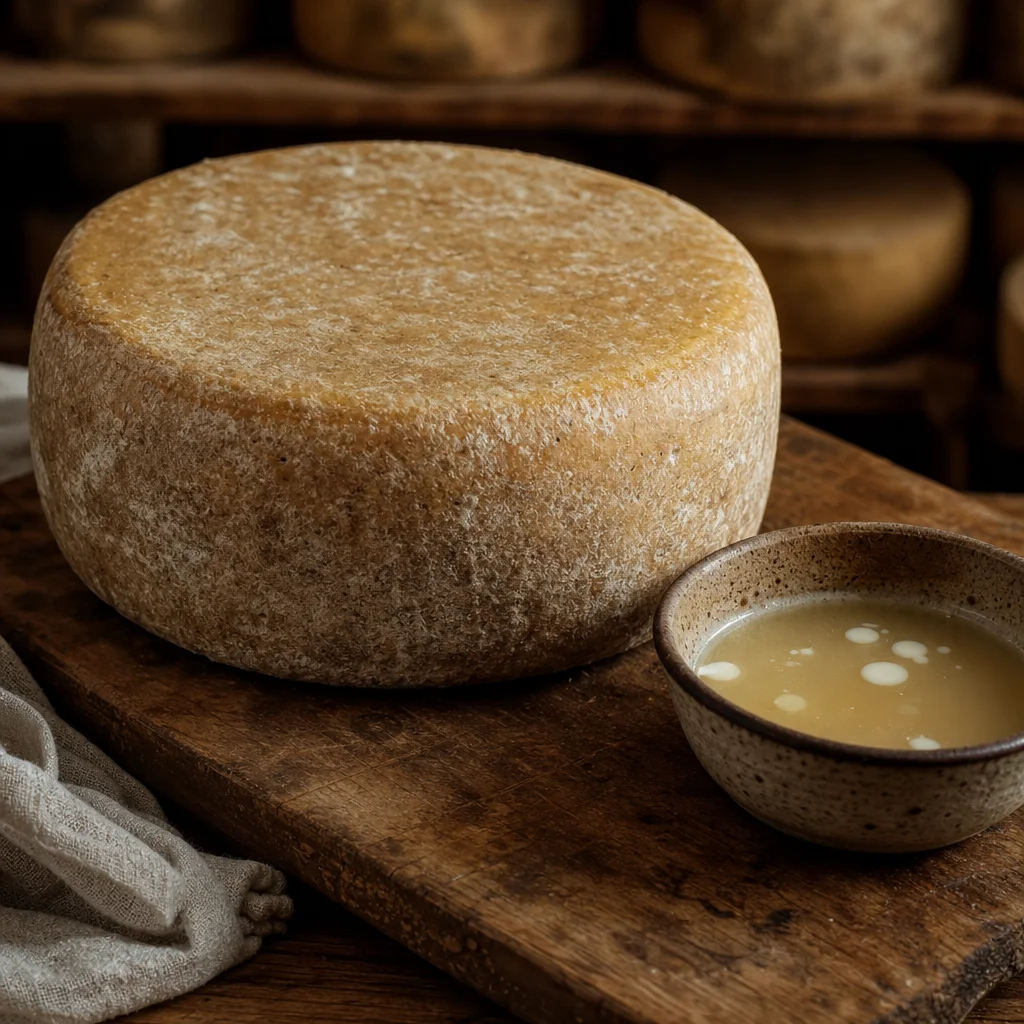
Rennet is the enzyme complex used to coagulate milk into curds during cheesemaking. Traditional animal rennet comes from the stomach lining of a slaughtered calf, lamb, or kid goat. Because cheese is dairy, and dairy is permitted, lacto-ovo vegetarians routinely eat cheese without a second thought, missing that the coagulant used to make it is a distinct, non-dairy, animal-derived ingredient.

The label rarely settles the question. Most ingredient lists say only "enzymes," with no indication of whether those enzymes are animal, microbial, or fermentation-derived. Microbial rennet, produced from mold species such as Rhizomucor miehei, and fermentation-produced chymosin (FPC), made using genetically modified yeast or fungi, are both animal-free and considered acceptable by nearly every vegetarian certifier, even though FPC's production process sounds more industrial than "natural." Parmigiano-Reggiano and Grana Padano are notable exceptions where animal rennet is not just common but legally mandated under their protected designation of origin rules, so no amount of brand loyalty substitutes for reading the ingredient panel or looking for a "vegetarian cheese" or "microbial enzymes" declaration.

Isinglass: The Fish Bladder Fining Agent in Beer and Wine

Isinglass is a collagen product derived from the dried swim bladders of fish, historically sturgeon, and it has been used for centuries to clarify beer and wine by binding to suspended yeast and particulates so they settle out before bottling. A peer-reviewed review of wine fining agents confirms that isinglass, gelatin, egg albumin, and milk proteins are all still in active commercial use as clarifiers, and that residual protein traces can persist in the finished product even after correct processing.

Because fining agents are classified as processing aids rather than ingredients, most jurisdictions do not require them to appear on the bottle at all. A wine or beer can be fined with isinglass and carry no trace of that fact anywhere on the label. Vegetarian and vegan drinkers who assume "no meat listed" means "no animal product used" are making an understandable but incorrect inference. Producers who use alternative fining methods, bentonite clay, plant-derived proteins, or simple filtration, will often say so explicitly, since it has become a selling point in markets with vegetarian-conscious consumers.

Carmine and Cochineal: The Insect-Derived Red Dye

Carmine, also listed as cochineal, cochineal extract, carminic acid, or Natural Red 4, is a red pigment extracted from the dried, crushed bodies of the female cochineal insect. Under FDA color additive regulations, it must be declared by its specific name rather than folded into a generic "artificial color" or "natural color" claim, which is genuinely helpful, provided the shopper knows what "carmine" or "cochineal" actually is.

It turns up in fruit-flavored yogurts, strawberry and cherry beverages, pink-frosted baked goods, maraschino cherries, and candy coatings that need a stable, non-fading red. Because it is neither a meat nor a dairy ingredient, and because the name itself gives no hint of an animal origin, it slides past a lacto-ovo vegetarian's usual scanning habits entirely.

L-Cysteine: The Feather-Derived Dough Conditioner

L-cysteine, listed as E920 in EU additive coding, is an amino acid used as a dough conditioner in commercial bread, bagels, croissants, and pizza dough to strengthen gluten structure and speed up industrial baking. The majority of commercially produced L-cysteine is derived from duck or chicken feathers, occasionally from human hair, though synthetic and fermentation-derived versions exist and are increasingly common. The label makes no distinction: "L-cysteine" or "E920" appears the same regardless of source.

Bread is the classic lacto-ovo vegetarian blind spot for a specific reason: it looks like the most plant-forward item in the shopping cart, flour, water, yeast, salt, and it is one of the few categories where an animal-derived dough conditioner hides inside a product that contains no dairy or egg at all to serve as a warning sign.

Anchovies, Stock, and Broth Hiding in Savory Products

Worcestershire sauce is traditionally built on fermented anchovies, and it shows up as a flavoring ingredient in marinades, steak sauces, Bloody Mary mix, and pre-seasoned snack foods where the brand name gives no indication of fish content. Caesar dressing follows the same pattern: anchovy paste or anchovy extract is a standard component of an authentic recipe, and bottled versions rarely foreground it.

Soups, bouillon cubes, gravy mixes, and instant noodle seasoning packets frequently rely on chicken stock, beef broth, or concentrated meat extract as a flavor base, sometimes appearing on the label only as "chicken powder," "beef extract," or folded into the catch-all term "natural flavors," which under FDA regulation can legally include flavor compounds derived from meat, poultry, or seafood without further disclosure.

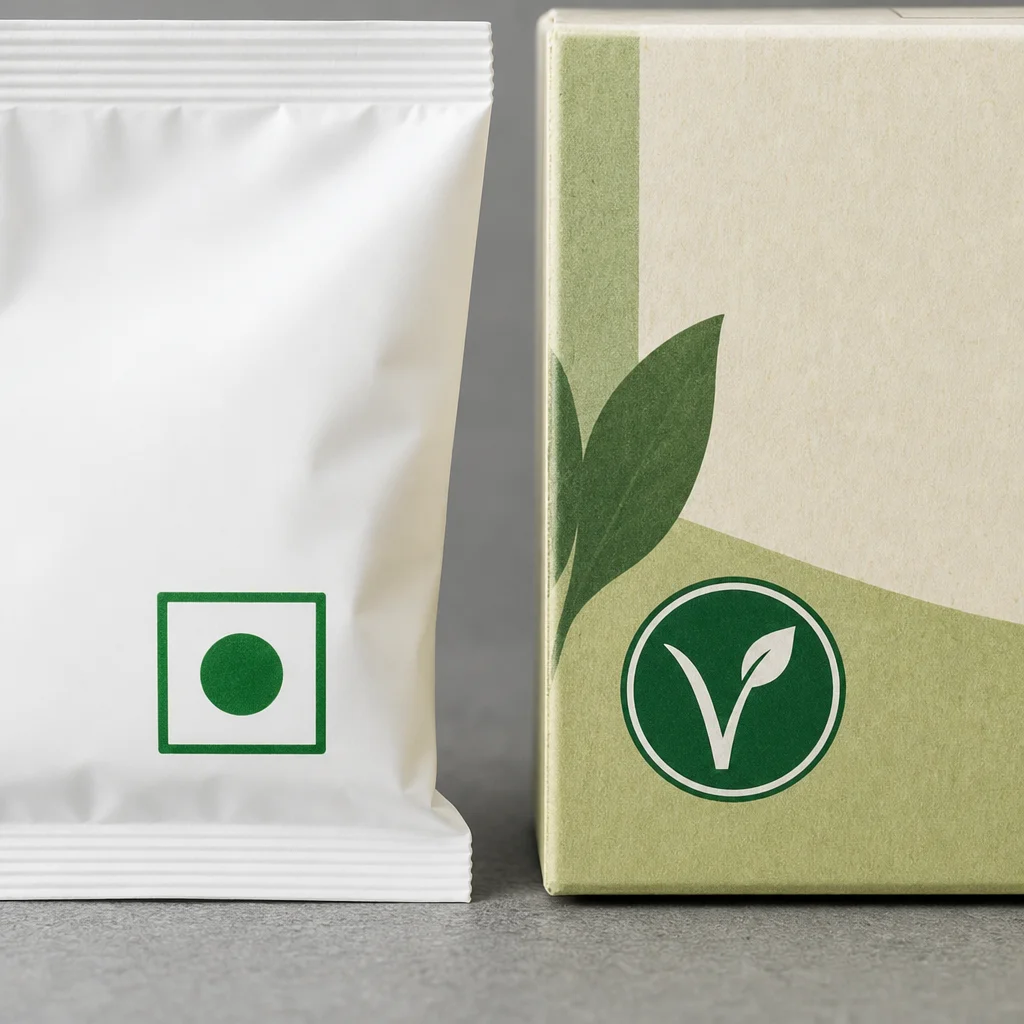
Certification Marks: FSSAI's Green Dot, Europe's V-Label, and the US Gap

Certification Marks: FSSAI's Green Dot, Europe's V-Label, and the US Gap

Regulatory treatment of the word "vegetarian" varies enormously by country, and knowing the difference changes how much weight a label claim deserves.

In the United States, there is no legal definition of "vegetarian" and no mandatory certification standard. Any manufacturer can print the word on packaging without meeting a regulatory bar, and the FDA's food labeling regulations require ingredient disclosure but never require a source declaration for enzymes, gelatin, or processing aids like isinglass. The USDA's meat and poultry labeling terms govern how flesh products are named but say nothing about vegetarian claims on meat-free products, which fall to the FDA's essentially unenforced standard.

In Europe, the V-Label, issued by the European Vegetarian Union, is a voluntary but widely recognized certification. Its criteria prohibit animal rennet, gelatin, isinglass, and other animal-derived processing aids, and require documented traceability from licensees. The mark appears on tens of thousands of products across the continent, but a product without it is not necessarily non-vegetarian, it may simply belong to a producer who has not sought certification. The Vegetarian Society Approved trademark, UK-based and one of the oldest such marks, applies a comparable standard: no flesh, no animal-derived rennet, no gelatin, no carmine, while permitting dairy and eggs in the appropriate categories.

India runs the only mandatory, government-enforced system of the three. Under FSSAI's packaging and labelling regulations, every packaged food sold in India must carry a green dot for vegetarian products or a brown dot for non-vegetarian products. FSSAI's own consumer guidance is explicit that the brown dot covers products "including egg," which means the Indian green-dot standard is closer to lacto vegetarian than to lacto-ovo vegetarian: a green dot guarantees no meat, fish, or egg, and separately guarantees dairy is fine, but a lacto-ovo vegetarian who eats eggs should not read the absence of a brown dot as "no eggs," since a green dot product genuinely will not contain egg under this system, a stricter guarantee than the diet actually requires, not a looser one.

A Practical Label-Reading Strategy

Lacto-ovo vegetarians can eat dairy and eggs freely. The ingredients that actually threaten the diet are the ones that are neither: gelatin (pork or beef collagen, found in gummies, marshmallows, some yogurts, panna cotta, and gel capsules for vitamins and medications), animal rennet (calf-stomach enzyme used in cheesemaking, usually hidden behind the generic word "enzymes," as opposed to microbial rennet or fermentation-produced chymosin, both animal-free), isinglass (fish swim bladder used to clarify beer and wine, classified as a processing aid and rarely disclosed on the label), carmine or cochineal or carminic acid or Natural Red 4 (insect-derived red dye in fruit yogurts, pink beverages, and candy coatings), L-cysteine or E920 (feather-derived dough conditioner in commercial bread and baked goods), anchovy-based flavoring in Worcestershire sauce and Caesar dressing, and chicken or beef stock, broth, or extract in soups, bouillon, and seasoning packets.

Regulatory context shapes how much weight to put on any given label claim. The word "vegetarian" carries no legal definition in the United States, so a self-declared claim with no certification mark deserves skepticism. Europe's V-Label and the UK's Vegetarian Society trademark are voluntary but backed by defined, audited criteria that exclude gelatin, animal rennet, isinglass, and carmine. India's FSSAI green dot is the one mandatory, government-enforced system among the three, and it is stricter than lacto-ovo vegetarian on eggs specifically, since the brown-dot category includes egg-containing products.

  1. Read the entire ingredient list, not just the front-of-pack claim or the allergen summary. Processing aids like isinglass and fining agents almost never appear in an allergen box.
  2. Search cheese and baked-good labels for the word "enzymes." If no qualifier such as "microbial" or "vegetarian" appears, the rennet source is unconfirmed.
  3. Check any commercial bread, bagel, or pastry for "L-cysteine" or "E920" in the ingredient list.
  4. Treat any red, pink, or purple coloring in yogurt, candy, or beverages as a prompt to look for "carmine," "cochineal," "cochineal extract," "carminic acid," or "Natural Red 4."
  5. For wine and beer, assume a fining agent was used unless the producer states otherwise, and look specifically for a stated absence of isinglass or gelatin fining.
  6. Scan soups, bouillon, gravy, and instant noodle seasoning for "chicken broth," "beef stock," "chicken powder," "meat extract," or unqualified "natural flavors."
  7. Check Worcestershire sauce, Caesar dressing, and any sauce with an unfamiliar savory depth for anchovy or fish-derived ingredients.
  8. Treat any recognized certification mark, FSSAI's green dot, V-Label, or Vegetarian Society Approved, as a useful signal, but confirm which specific standard it represents rather than assuming all vegetarian marks mean the same thing.

IngrediCheck scans a product's full ingredient list against this exact set of aliases, including unqualified "enzymes," carmine and its synonyms, L-cysteine, and gelatin, and flags them even when the packaging carries no self-declared vegetarian claim at all.

Lacto-ovo vegetarian is the diet most people picture when they hear the word "vegetarian," and that familiarity is exactly what makes it easy to relax the wrong assumptions. Dairy and eggs will never be the problem. Gelatin in a gummy vitamin, animal rennet behind the word "enzymes," isinglass with no trace on a wine label, carmine in a strawberry yogurt, and feather-derived L-cysteine in a bagel are the ingredients that actually require attention, and none of them announce themselves. IngrediCheck reads past the reassuring "dairy and eggs are fine" instinct and checks every ingredient against the full list of animal derivatives that have nothing to do with milk or eggs at all.

Next Label Check

Follow the scanner, hub, and ingredient paths connected to this guide

Get the app for clearer label decisions.

Scan labels, see what fits your food notes, and read the why in plain English.

IngrediCheck app