Dietary Guides

Lacto Vegetarian Diet Guide: Hidden Egg Derivatives in a Dairy-Friendly Diet

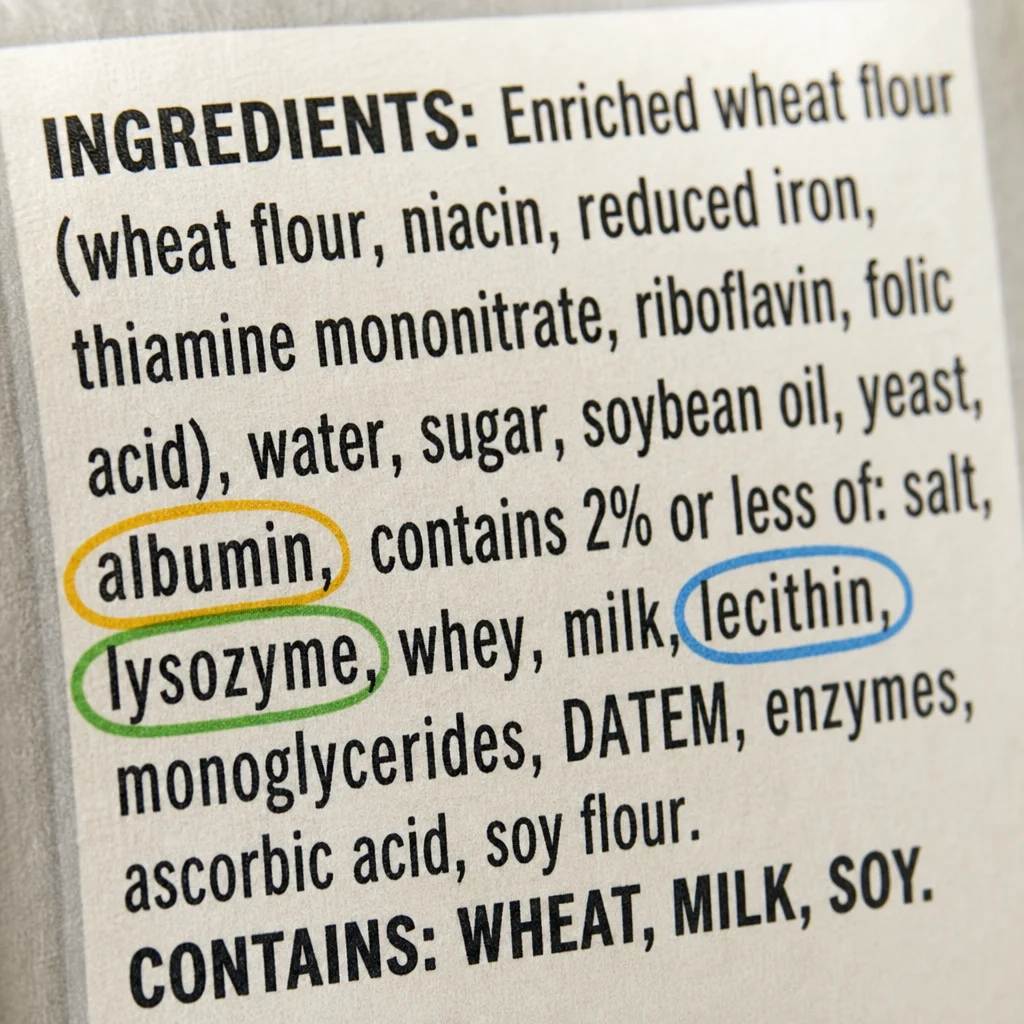
Lacto vegetarians eat dairy freely but exclude eggs entirely, and packaged food rarely makes that distinction obvious. Albumin, lysozyme, and egg lecithin hide inside products labeled simply as vegetarian.

Jun 21, 2026|13 min read
By Sanket Patel|Updated 2026-06-21|3 sources|Editorial standards
Lacto Vegetarian Diet Guide: Hidden Egg Derivatives in a Dairy-Friendly Diet

A lacto vegetarian eats cheese, drinks milk, cooks with ghee, and spoons yogurt onto nearly everything, but will not touch an egg in any form. This is the diet followed by the large majority of vegetarians in India, and it is also the version of vegetarianism most often misunderstood outside South Asia, where "vegetarian" is frequently assumed to mean lacto-ovo, the version that includes eggs.

That mismatch creates a recurring problem at the grocery store. A product labeled "suitable for vegetarians" in the US or UK may still contain egg white, egg lecithin, or albumin, because most Western labeling systems treat eggs as compatible with a vegetarian diet. For a lacto vegetarian, that assumption is wrong, and the ingredient list is where the truth actually lives.

What the Lacto Vegetarian Diet Actually Requires

The lacto vegetarian diet excludes all meat, poultry, and fish, and it excludes eggs and every egg-derived ingredient. It permits dairy in essentially all forms: milk, yogurt, cheese, butter, ghee, cream, paneer, and kefir. Honey is typically permitted as well, though individual practitioners vary on this point.

This is distinct from two closely related diets. An ovo vegetarian eats eggs but avoids dairy. A lacto-ovo vegetarian eats both eggs and dairy, excluding only meat, poultry, and fish; this is the most common vegetarian pattern in the US and Europe, and the default most people assume when they hear "vegetarian" without qualification. Lacto vegetarianism sits in the opposite position: dairy in, eggs out.

The diet has deep roots in the Indian subcontinent. According to Wikipedia's overview of lacto vegetarianism, the practice traces back to ancient India and was later adopted by Western naturopaths and physicians, including Mahatma Gandhi, a well-documented lacto vegetarian and daily milk drinker. Within India, "vegetarian" is commonly understood to mean lacto-vegetarian by default, with eggs classified alongside meat rather than alongside dairy. That convention differs sharply from how "vegetarian" reads on a US or European product label, and it is the biggest source of confusion for people following this diet while shopping internationally.

The religious framework behind the diet explains why eggs are excluded while dairy is not. In Hinduism, the principle of ahimsa, or non-violence, underlies most vegetarian practice; milk from a living cow is viewed as obtainable without harm, while an egg is viewed by many as a potential life too closely tied to reproduction to be acceptable. Jainism applies a stricter version of the same logic, prohibiting meat, fish, eggs, alcohol, and honey outright while treating milk, curd, and ghee as nutritionally and ritually significant, according to Wikipedia's summary of Jain vegetarianism. Ayurvedic theory reinforces the pattern by classifying eggs as tamasic (tied to dullness) and dairy as sattvic (tied to clarity), which is why Sattvic-diet followers and Hindu wrestlers who train on milk, ghee, almonds, and chickpeas avoid eggs specifically rather than all animal products.
Why "Vegetarian" on the Label Does Not Mean Egg-Free

Why "Vegetarian" on the Label Does Not Mean Egg-Free

The core risk for lacto vegetarians is a labeling gap, not an ingredient rarity. Eggs are clearly declared as allergens in most regulated markets, but that declaration protects people with an egg allergy, not people who define "vegetarian" as egg-free. A product can carry a "vegetarian" claim in the US, where the term has no legal definition, while containing egg whites, egg-derived lecithin, or lysozyme, since none of those ingredients disqualify a product from an unregulated vegetarian label.

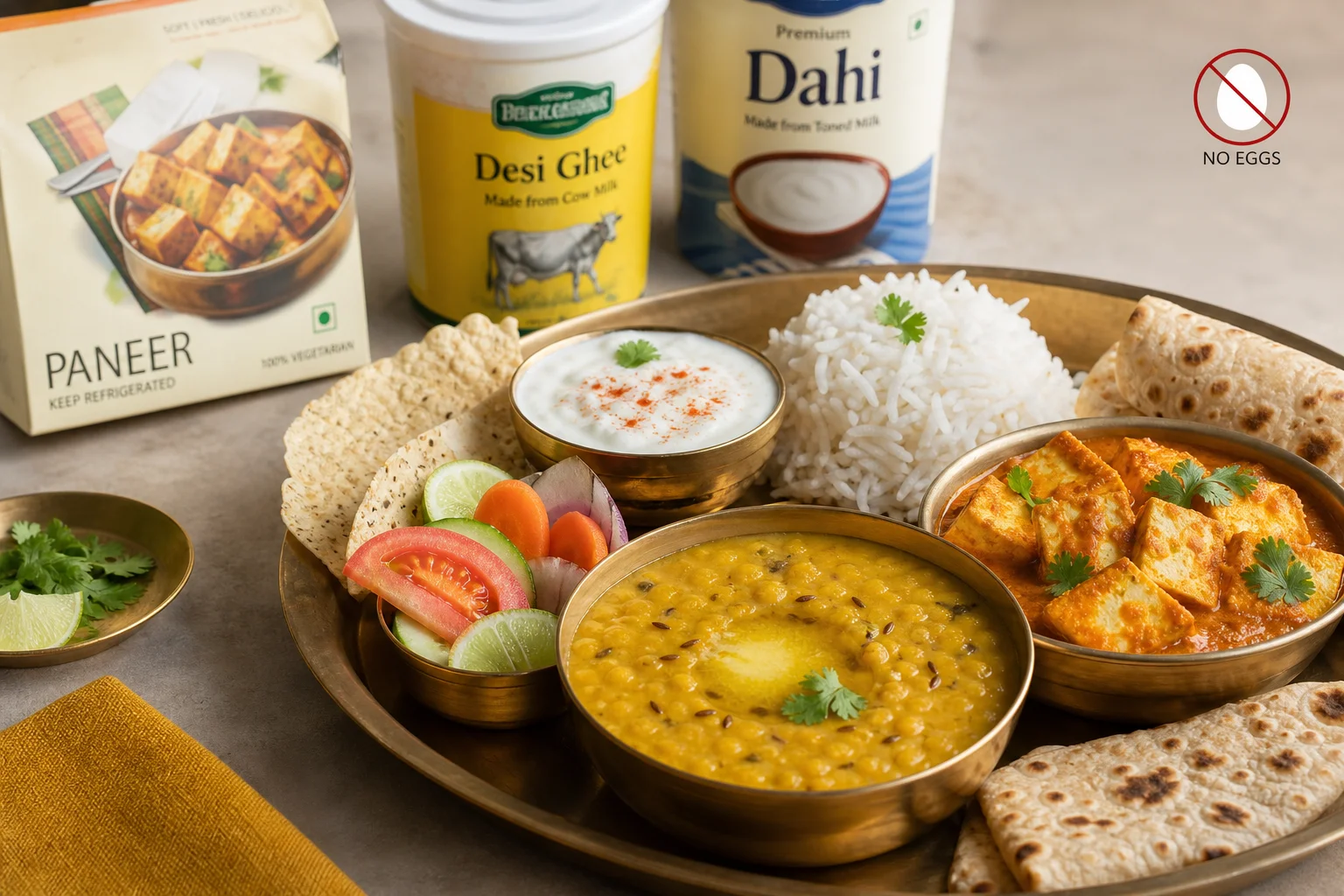
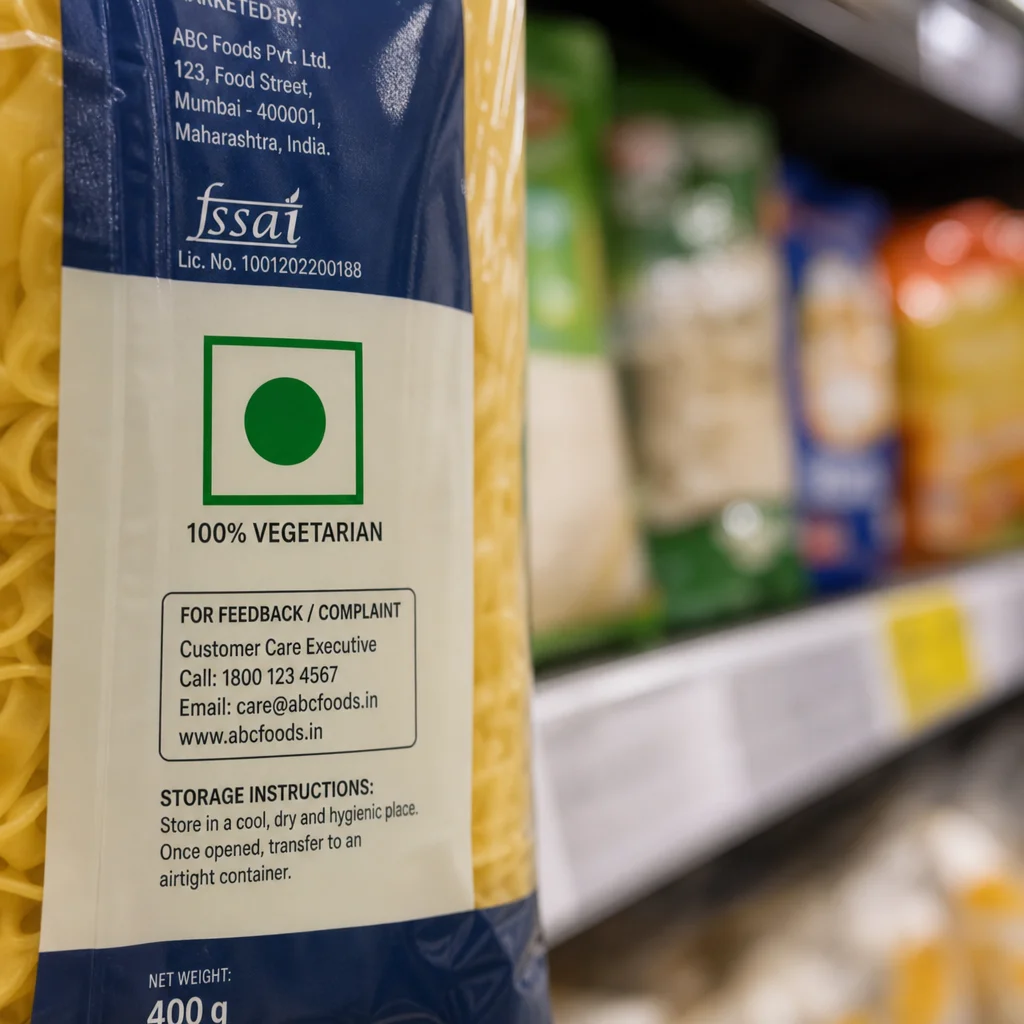
A lacto vegetarian shopping in the US, UK, or continental Europe needs a different mental model than one shopping in India. India's Food Safety and Standards Authority mandates a green dot inside a square for vegetarian foods and a brown dot for non-vegetarian foods, and under this system eggs are classified as non-vegetarian, so a green-dot product in India is reliably egg-free as well as meat-free, per FSSAI's labelling and packaging regulations. No equivalent government-mandated symbol exists in the US or EU, so the full ingredient list, not the front-of-pack claim, is the only reliable signal.

Hidden Egg-Derived Ingredient Names and Aliases to Watch For

Egg protein appears in packaged food under a long list of technical names, most of which do not contain the word "egg" at all.

Albumin and ovalbumin are the primary proteins in egg white and appear as binders, foaming agents, and clarifying agents across processed foods and beverages. Globulin, ovoglobulin, ovomucoid, ovomucin, and ovotransferrin are further egg white protein fractions, while livetin, apovitellin, and vitellin come from egg yolk. These rarely appear alone outside specialty ingredient lists, but they do turn up in some supplements and protein blends.

Lysozyme, listed on European labels as E1105, is an antimicrobial enzyme extracted from hen egg white, used as a preservative in certain hard and semi-hard cheeses to prevent late-blowing spoilage, and in some wines to control bacteria during fermentation. The European Food Safety Authority's safety evaluation of lysozyme from hens' eggs notes that lysozyme is an egg allergen and that allergic reactions to lysozyme-treated cheese and wine have been documented. A lacto vegetarian who eats most cheeses freely still needs to check specifically for lysozyme or E1105, since it sits inside a food category otherwise completely acceptable on this diet.

Lecithin is the ingredient most likely to catch a careful label-reader off guard. It is an emulsifier used in chocolate, baked goods, margarine, and countless processed foods, and it can be derived from soy, sunflower, or egg yolk, coded E322 in the EU. Most commercial lecithin today is soy- or sunflower-derived, but egg-derived lecithin is still used in some European bakery and confectionery products, and a plain "lecithin" entry does not tell you which source was used unless the manufacturer specifies it.

Mayonnaise, aioli, and meringue are egg-based by definition and are the most common route by which egg enters sauces, dressings, and spreads. Surimi, used in imitation crab and seafood salads, frequently contains egg white as a binder. Simplesse and similar fat replacers in reduced-fat ice cream are sometimes made from egg white protein rather than milk protein, despite sitting in the dairy dessert aisle.

Unexpected Food Sources of Hidden Egg

Unexpected Food Sources of Hidden Egg

Certain categories of packaged and prepared food carry egg far more often than their names suggest.

Egg wash is brushed onto bread, croissants, pie crusts, bagels, pretzels, and pastries before baking for a golden, glossy finish. It is standard practice across commercial and artisan bakeries alike and is rarely disclosed on a bakery case sign, though packaged versions will list egg in the ingredients.

Fresh pasta is made with egg in the vast majority of commercial and restaurant preparations, a defining characteristic rather than an occasional additive. Dried, shelf-stable pasta is usually egg-free, made from durum wheat semolina and water, but "egg noodles" and some specialty dried pasta shapes do contain dried egg.

Wine and beer are sometimes clarified using egg white as a fining agent, a traditional technique still used to soften tannins in red wine. According to the International Organisation of Vine and Wine's code of good fining practices, egg white fining is common enough that several countries require allergen labeling when residual protein is detectable, though most egg-fined wine and beer contain no detectable protein by bottling. A lacto vegetarian who avoids egg on principle may still want to check a producer's fining practices.

Marshmallows and nougat are built around whipped egg white, which provides the light, aerated texture that defines these confections, though newer formulations sometimes substitute aquafaba. Custards, puddings, quiches, and frostings all rely on egg for structure or richness, and packaged versions will list egg or an egg derivative directly in the ingredients even where the product name does not signal it.

Battered and breaded foods, including frozen appetizers, breaded cutlets, and some veggie burgers marketed as vegetarian-friendly, frequently use egg wash or egg powder in the coating, even when the core product itself is meat-free.

Dairy Is Not the Problem: What Stays on the Plate

Dairy Is Not the Problem: What Stays on the Plate

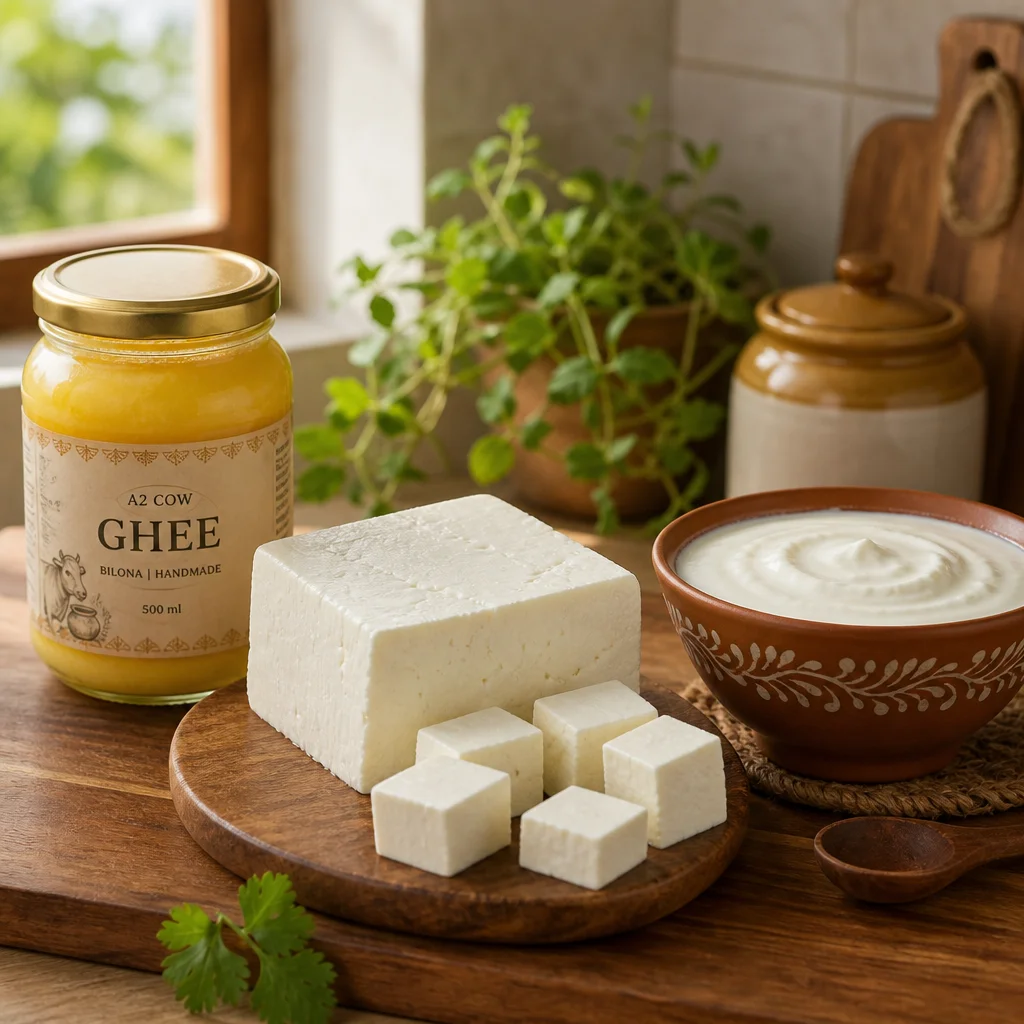
It bears stating plainly, because confusion between lacto vegetarian and vegan runs in both directions: dairy in essentially every form is fully acceptable on this diet. Milk, yogurt, butter, cream, and cheese are all standard. Ghee, clarified butter with the milk solids removed, is a staple across Indian lacto vegetarian cooking. Paneer, the fresh non-melting cheese central to North Indian cuisine, is entirely acceptable. Whey and whey protein, common in protein powders and snack foods, are dairy-derived and pose no conflict, and the same goes for casein, sodium caseinate, calcium caseinate, and lactose (milk sugar), though lactose may separately matter for someone managing lactose intolerance.

One caveat: traditional cheesemaking uses animal rennet, an enzyme from a calf's stomach lining, a meat byproduct rather than an egg byproduct, and some strict lacto vegetarians choose microbial rennet cheeses for that separate reason. This sits outside the egg-focused scope here, but "rennet" and "lysozyme" show up in the same cheese aisle and get confused; rennet is a meat-adjacent concern, lysozyme an egg-adjacent one.

If eggs are fine for you and dairy is the ingredient you want to avoid, this is not the diet you are looking for; an ovo vegetarian profile fits that pattern instead. If both eggs and dairy work and only meat, poultry, and fish are excluded, a lacto-ovo vegetarian profile is the closer match, since that combination covers most people who casually describe themselves as "vegetarian" in Western countries.

A Practical Label-Reading Strategy

Lacto vegetarians need a label-reading approach built around one core fact: eggs are excluded, dairy is fully permitted, and the word "vegetarian" printed on a US or European package does not guarantee the absence of egg. Only India's government-mandated green dot and brown dot system, run by the Food Safety and Standards Authority of India, reliably separates egg-containing products from egg-free ones at a glance; everywhere else, the ingredient list has to do that work.

Strictly avoid these egg-derived ingredients and their aliases:

  • Egg, egg white, egg yolk, dried egg, powdered egg, egg solids: direct forms in any spelling
  • Albumin / ovalbumin: the primary egg white protein, used as a binder, foaming agent, and clarifier
  • Globulin / ovoglobulin: egg white protein fraction
  • Ovomucoid / ovomucin / ovotransferrin: additional egg white protein fractions
  • Livetin / vitellin / apovitellin: egg yolk-derived protein fractions
  • Lysozyme / E1105: egg white-derived enzyme used as a preservative in some hard and semi-hard cheeses and in winemaking
  • Lecithin / E322, when the source is egg yolk rather than soy or sunflower (the label rarely specifies unless required to)
  • Mayonnaise, aioli, meringue: egg-based preparations used as ingredients in sauces, dressings, and baked goods
  • Egg wash: used on the surface of bread, pastries, bagels, and pie crusts before baking
  • Fresh or "egg" pasta and egg noodles: dried semolina pasta is usually egg-free, but fresh pasta almost always contains egg
  • Surimi: imitation crab and seafood salad products frequently use egg white as a binder
  • Simplesse and similar egg white-based fat replacers in reduced-fat dairy desserts
  • Marshmallow and nougat, when made with whipped egg white rather than aquafaba
  • Custard, quiche, and egg-set frostings

Regulatory context that shapes what actually appears on a label: In the United States, the Food Allergen Labeling and Consumer Protection Act (FALCPA) and the 2021 FASTER Act require eggs to be declared as one of the nine major food allergens, either by name in the ingredient list or in a "Contains: Egg" statement, and the FDA now includes eggs from ducks, geese, quail, and other domesticated fowl, not just chickens. This is a consumer-safety measure, not a vegetarian-labeling standard, so a "vegetarian" claim on the same package carries no legal weight in the US. In the European Union, Regulation (EU) No 1169/2011 requires eggs to be one of fourteen allergens emphasized in bold, capitals, or underline within the ingredient list, though egg white or gelatine used solely as a wine or beer fining agent faces similar disclosure gaps in some regions. In India, the FSSAI's green dot and brown dot system is the most consumer-friendly of the three: government-mandated, printed on the principal display panel, and classifying eggs under the brown, non-vegetarian symbol rather than treating them as compatible with a vegetarian claim.

Scanning checklist:

  1. Read the full ingredient list, not just the front-of-pack "vegetarian" claim, which carries no legal egg-free guarantee outside India's dot system.
  2. Search for albumin, ovalbumin, globulin, lysozyme, and any word starting with "ovo-" or containing "vitellin."
  3. Treat unqualified "lecithin" as unconfirmed; look for "soy lecithin" or "sunflower lecithin" as the explicit safe alternatives.
  4. In the cheese aisle, check for lysozyme or E1105 alongside rennet source; these are two separate concerns in the same product category.
  5. Assume fresh pasta contains egg unless stated otherwise; dried, shelf-stable pasta is generally safer but still worth checking.
  6. For wine and beer marketed as vegetarian-friendly, check with the producer, since egg white fining is not always disclosed.
  7. Treat mayonnaise, aioli, meringue, custard, and quiche as reliably egg-containing regardless of any other claim.
  8. Never treat a "vegetarian" claim in the US or EU as an egg-free guarantee; only FSSAI's green dot carries that meaning.

IngrediCheck scans ingredient lists for albumin, ovalbumin, lysozyme, egg-derived lecithin, and every other alias covered here, flagging egg content in products that carry an unregulated "vegetarian" claim but are not actually egg-free. For a diet built on a distinction that most Western labels do not make explicit, that kind of ingredient-level check closes a gap that label claims alone cannot.

For a lacto vegetarian, the grocery aisle is not a matter of avoiding an obvious category the way a beef aisle or a fish counter would be. The risk sits inside cheese labeled with an unspecified "enzymes" entry, inside a "vegetarian" burger bun brushed with egg wash, and inside a plain "lecithin" line that could be soy or could be egg yolk. IngrediCheck reads past the reassuring word "vegetarian" printed on the front of the package and checks what the ingredient list actually says, so a diet built on the distinction between dairy and eggs does not depend on a label claim that was never designed to make that distinction.

Next Label Check

Follow the scanner, hub, and ingredient paths connected to this guide

Get the app for clearer label decisions.

Scan labels, see what fits your food notes, and read the why in plain English.

IngrediCheck app