For 30 years, the FDA's definition of "healthy" on food packaging was built around one criterion: total fat content. That produced some genuinely odd outcomes. A 1994 regulation meant that a can of salmon could not legally be called "healthy" because of its fat content, while a sugar-loaded fat-free yogurt could. Avocados, almonds, and olive oil were barred from the claim. Some cereal and granola bars qualified.
The final rule published December 27, 2024 replaced that framework entirely. It became effective February 25, 2025. Brands must comply by February 25, 2028, though many are voluntarily updating their labels now.
What the New Rule Requires
Under the updated definition, a food labeled "healthy" must do two things. First, it must contain a meaningful amount from one of six FDA-specified food groups: vegetables, fruit, grains, dairy, protein foods, or oils. Second, it must meet strict limits on added sugars, saturated fat, and sodium per serving.
The nutrient limits for a single food item are tight: no more than 5% of the Daily Value for added sugars, 10% for sodium, and 10% for saturated fat. Seafood, nuts, seeds, and soy products get an exception: their naturally occurring saturated fat does not count toward the 10% cap, which is how salmon and almonds now qualify.
Foods that can now carry the "healthy" claim: avocados, nuts, seeds, higher-fat fish, olive oil, plain water, and unsweetened tea or coffee under 5 calories per serving.
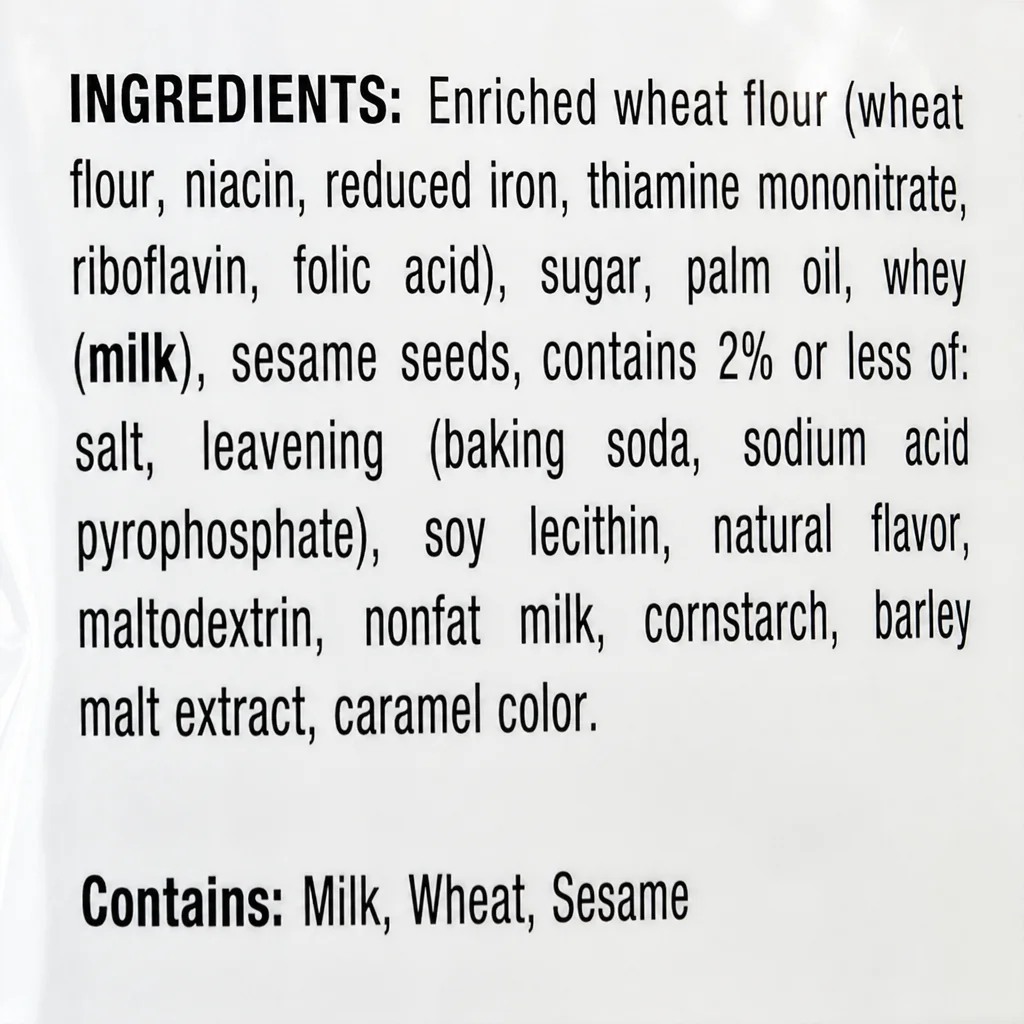
Foods that may need to lose the claim by 2028: sweetened yogurts with high added sugar, some fortified white breads, fruit snacks, and breakfast cereals that exceed the sugar or sodium thresholds.
FDA estimates these changes will deliver roughly $686 million in health benefits over 20 years, primarily from reduced all-cause mortality as consumers shift toward more nutrient-dense food choices. About 5% of foods on the market currently carry the "healthy" claim.
The practical takeaway for shoppers: if you have been using "healthy" as a quick-scan signal on a label, the word will soon mean something more nutritionally consistent than it did before.