The Milk Powder Recall Cascade: How One Contaminated Ingredient Hit National Brands

A single contaminated batch of milk powder from California Dairies triggered recalls across Utz potato chips, Ghirardelli beverages, Pork King Good pork rinds, Aldi pizzas, and more. Here is how ingredient supply chains spread food safety risk.

May 10, 2026|9 min read
By Sanket Patel|Updated 2026-05-10|4 sources|Editorial standards
The Milk Powder Recall Cascade: How One Contaminated Ingredient Hit National Brands

In late April 2026, California Dairies, Inc. issued a recall for nonfat dry milk powder at one of its facilities. The reason: potential Salmonella contamination. What happened next is a textbook example of how a single ingredient can cascade through the food supply chain, triggering recalls across brands, categories, and jurisdictions.

Within two weeks, the contamination footprint had spread to potato chips, chocolate beverages, pork rinds, frozen pizzas, and pita chips. By the second week of May, at least five national brands had issued voluntary recalls, and the FDA's recall page was updating almost daily with new entries tied back to the same dairy powder.

No illnesses have been reported as of this writing. But the scale of the response, the diversity of products affected, and the speed at which the recalls multiplied reveal something essential about how modern food manufacturing works. And what that means for food safety.

The Common Thread: Milk Powder

The Common Thread: Milk Powder

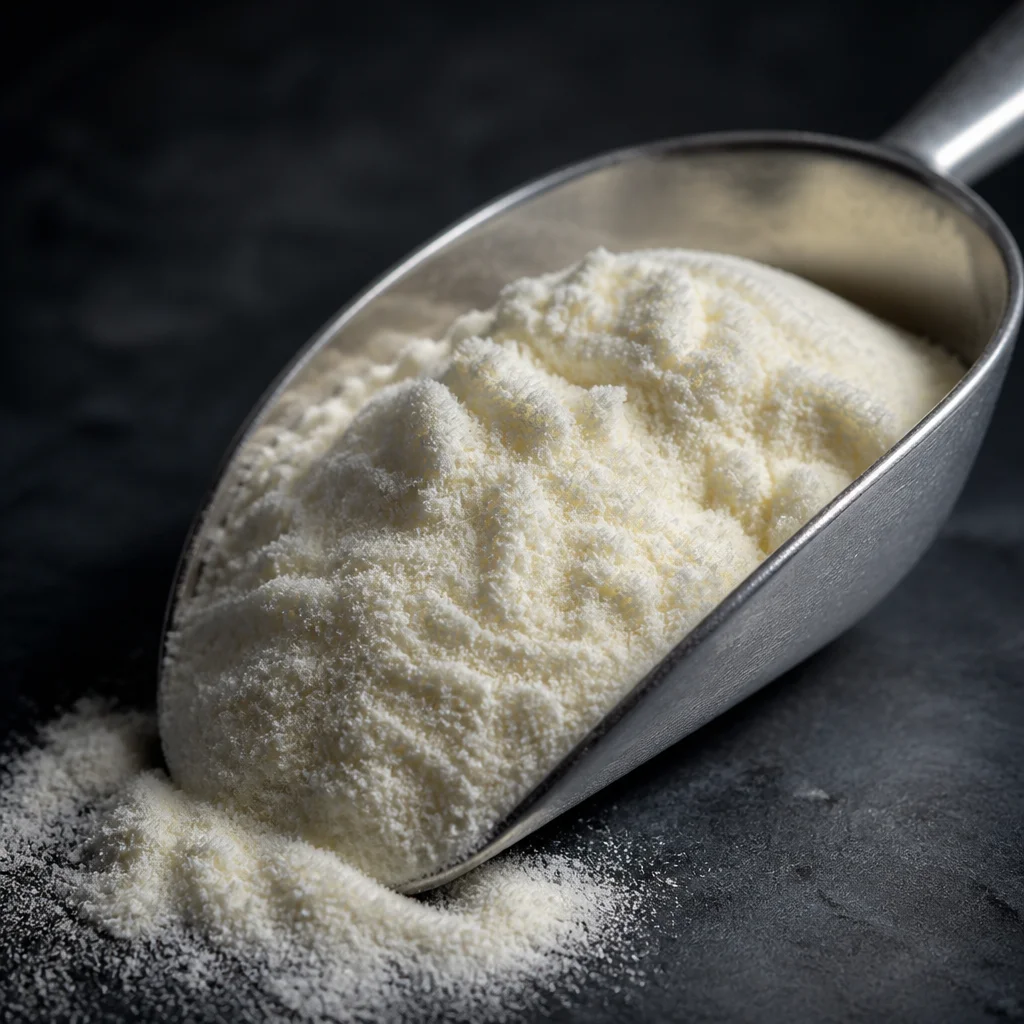
Milk powder, also called dried milk or milk solids, is one of the most versatile ingredients in industrial food production. It adds body to soups and sauces. It lends creaminess to chocolate beverages and frappe mixes. It binds seasoning blends to snack coatings. It enriches breads, crackers, and frozen foods. It shows up in places you might never guess, from potato chip flavor dust to popcorn seasoning to pork rind coatings.

Because milk powder is shelf-stable and easy to transport, a single production run can supply dozens of downstream manufacturers. When that run is contaminated, every product it touches becomes a potential vector.

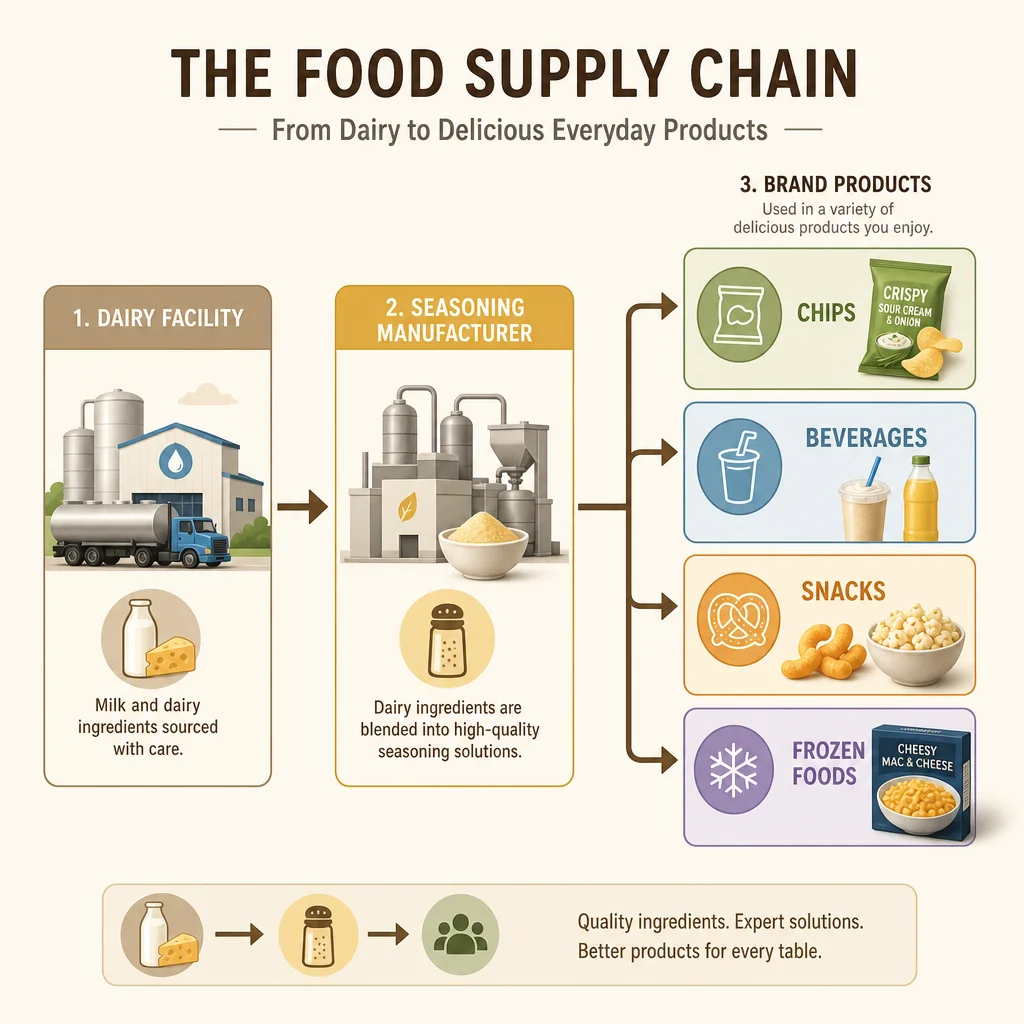
In this case, California Dairies supplied the affected milk powder to at least one third-party seasoning manufacturer. That manufacturer then blended it into seasoning mixes used by multiple snack and beverage companies. Each of those companies used the seasoning in different end products. The result: a single contamination event at a dairy processing facility in California created recall obligations for products manufactured and sold nationwide.

The Recall Timeline

April 27, 2026: Ghirardelli Chocolate Company

The first major consumer-facing recall came from Ghirardelli, the San Leandro, California-based chocolate maker. The company voluntarily recalled 13 varieties of powdered beverage mixes, including Chocolate Flavored Frappe, Classic White Frappe, Premium Hot Cocoa, Vanilla Frappe Mix, and Mocha Frappe Mix.

The affected products were packaged in large formats intended for food service and institutional customers: 30-pound bags, 3-pound pouches, and 6-pack cases. But the company warned that some products may have been sold to consumers through e-commerce platforms.

Ghirardelli stated that its own testing had not identified any contaminated products. The recall was issued "out of an abundance of caution." The company put affected inventory on hold at its warehouses and began working with partners to return or destroy distributed product.

April 30, 2026: Pork King Good

Three days later, Pork King Good, a snack brand known for its keto-friendly pork rinds, announced a recall of its Sour Cream and Onion pork rinds and seasoning bottles. The company confirmed the link directly: "The recall was initiated following a recall by California Dairies, Inc. due to a concern of potential Salmonella contamination in nonfat dry milk powder."

The recall covered approximately 3,853 pounds of pork rinds across multiple lot numbers, plus 2,651 seasoning bottles. The affected lots have best-by dates ranging from June 30, 2026 through August 12, 2026. Pork King Good reported that independent third-party laboratory testing on finished goods had come back negative for Salmonella.

May 5, 2026: Utz Quality Foods

The largest retail impact came from Utz Quality Foods, which recalled nine potato chip products under its Zapp's and Dirty brand names. The chips were sold at retailers nationwide.

Utz traced the issue to California Dairies milk powder, which a third-party seasoning supplier had used in the chip coatings. The company emphasized that only a limited batch of products was affected. But because potato chips are distributed through nearly every grocery channel in the country, the recall notice reached millions of households.

Additional Products

The contamination ripple continued. Aldi Mama Cozzi's frozen pizzas, sold nationwide in Aldi stores, were recalled for potential Salmonella linked to the same California Dairies ingredient. Giant Eagle pita chips and Stoltzfus Family Dairy Sour Cream and Onion Cheese Curds followed. JCB Flavors recalled Wildlife Seasoning flavored popcorn toppings. The FDA recall database listed additional entries through the second week of May, including seasoning blends, snack mixes, and even raw pet food formulations.
Why Did This Spread So Far?

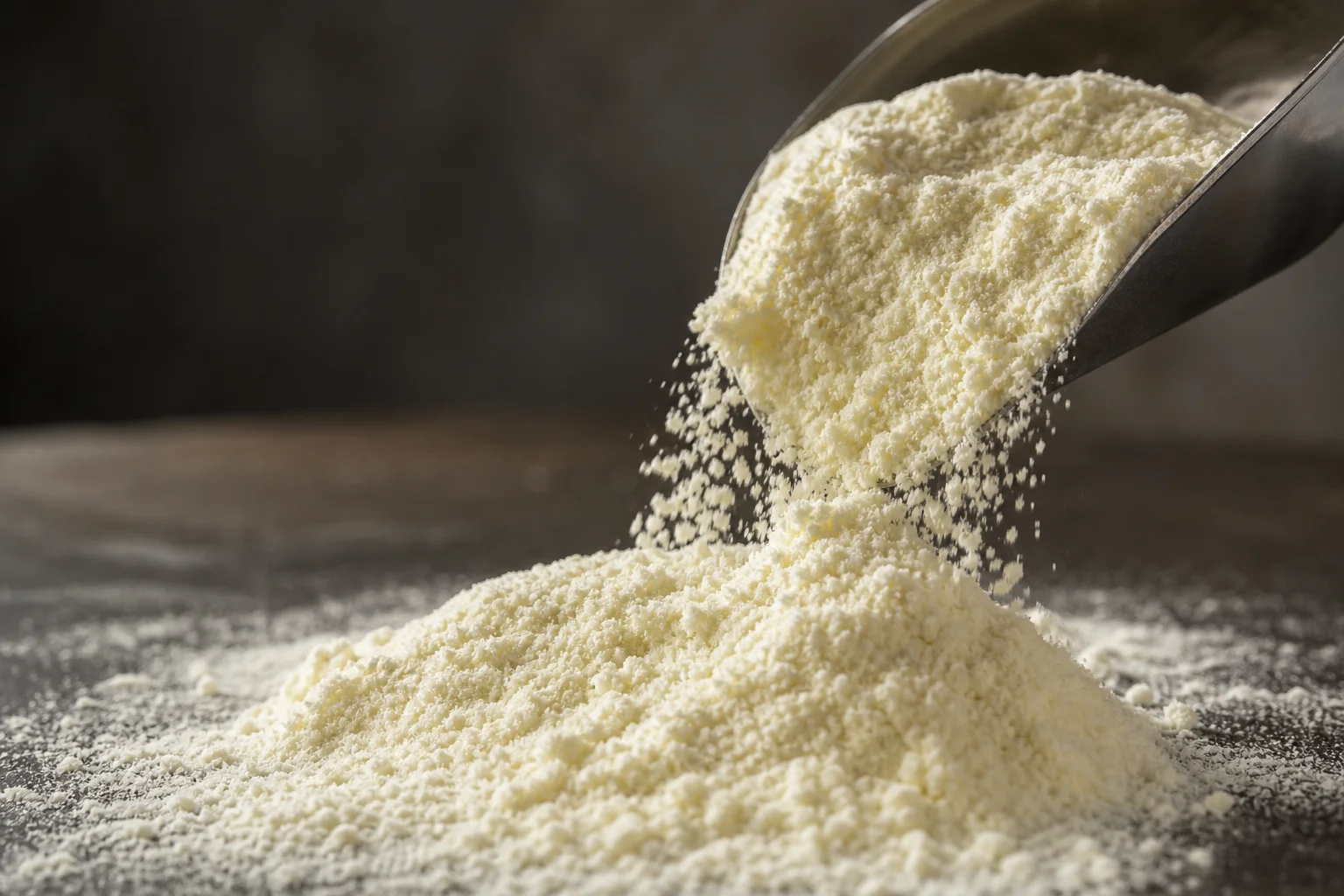
To understand why one dairy recall triggered so many downstream actions, it helps to understand a concept called ingredient nesting. A single ingredient, milk powder, was sold to a seasoning manufacturer. That manufacturer blended it into multiple seasoning formulas. Those seasonings were sold to multiple snack companies. Those companies used them in multiple products. Each link in the chain multiplies the exposure surface.

This is not a failure of regulation. In fact, it is a sign that the recall system is working the way it should. Each company traced its ingredients back to the source, identified the shared supplier, and voluntarily recalled products even when its own testing showed negative results. The speed of the cascade reflects the speed at which traceability systems now operate.

But it also exposes a vulnerability. The modern food industry is built on centralized ingredient manufacturing. A handful of large-scale suppliers produce the powders, seasonings, emulsions, and flavor bases used by hundreds of brands, a dynamic also seen in the Second Nature Keto Crunch recall earlier this year. When something goes wrong at one of those suppliers, it does not stay local.

Salmonella: What Makes It Dangerous

Salmonella: What Makes It Dangerous

Salmonella is a bacterium that lives in the intestinal tracts of animals and enters the food supply through fecal contamination of water, soil, or processing environments. Symptoms typically appear 12 to 72 hours after exposure and include fever, abdominal cramps, diarrhea, nausea, and vomiting. Most healthy adults recover within four to seven days without medical treatment.

But Salmonella can be severe, and sometimes fatal, for specific populations. Infants and young children, elderly adults, pregnant women, and people with compromised immune systems face disproportionately high risk. In rare cases, the infection can enter the bloodstream and cause arterial infections, endocarditis, or septic arthritis.

Dried milk powder is a particularly challenging vector because Salmonella can survive for extended periods in low-moisture environments. The bacterium does not multiply in dry powder, but it can remain viable. When the powder is reconstituted in liquid or mixed into a moist food, the bacteria can reactivate. This is why the FDA classifies Salmonella contamination in dry dairy ingredients as a serious hazard even when finished product testing is negative.

What Consumers Should Do

What Consumers Should Do

All of the recalls described here are lot-specific. That means not every bag of Zapp's chips or every pouch of Ghirardelli cocoa is affected. Only products with specific lot numbers and best-by dates are included. If you have any of the recalled brands at home, check the lot codes on the package against the manufacturer's published recall lists.

If you have a recalled product, do not eat it. Do not open it. Most manufacturers are offering refunds or replacements. Contact the company directly using the phone number or web form listed in the FDA recall notice. If you have already consumed a recalled product and are experiencing symptoms of Salmonella infection, contact your healthcare provider.

Discard or return the product even if it looks and smells fine. Salmonella contamination has no visible signs, no off odors, and no taste difference. You cannot detect it by inspecting the food.

The Bigger Picture: Supply Chain Transparency

This recall cascade is not the first of its kind, and it will not be the last. Similar events have occurred with contaminated spices, tainted flour, and adulterated oils. The common factor is concentration. When a small number of suppliers serve a large number of brands, the failure of one ingredient lot becomes a systemic event.

The food industry has responded to this risk by investing in traceability technology. Blockchain-based supply chain tracking, lot-level digital records, and rapid pathogen testing have all improved the speed at which contamination can be identified and contained. The FDA's Food Traceability Rule, which took effect in January 2026, requires additional recordkeeping for foods on the Food Traceability List. Milk powder and dairy ingredients are among the covered products.

But traceability only works if consumers also pay attention. Recall notices are published on the FDA website, but most shoppers never see them. The gap between a recall being issued and a consumer knowing about it remains a persistent food safety challenge.

How to Stay Informed

Subscribe to FDA recall alerts or check the agency's recall page regularly if you or a family member has a compromised immune system. When a recall affects a brand you buy, check your pantry. Take photos of lot codes and best-by dates before discarding products. And if you are unsure about an ingredient that appears in multiple products across your kitchen, scan it.

Using IngrediCheck, you can scan product barcodes to check for ingredients linked to active recalls, allergens, and additives flagged by food safety regulators. In a food supply chain where a single contaminated batch of milk powder can end up in potato chips, chocolate drinks, and pork rinds, knowing what is inside your food before you eat it is not just convenience. It is protection.

Get the app for clearer label decisions.

Scan labels, see what fits your food notes, and read the why in plain English.

IngrediCheck app