Food Policy Watch

EU BPA Food Packaging Rules: What Changed in July 2026

The EU's BPA food-contact restriction reached a major transition date on July 20, 2026. Learn which materials are covered, what exceptions remain, and why ingredient labels cannot show BPA.

Aug 14, 2026|8 min read
By Sanket Patel|Updated 2026-08-14|3 sources|Editorial standards
EU BPA Food Packaging Rules: What Changed in July 2026

July 20, 2026 was a major transition milestone for the European Union's restriction on bisphenol A in food-contact materials. It was not the day BPA vanished from every package, can, processing component, or food business.

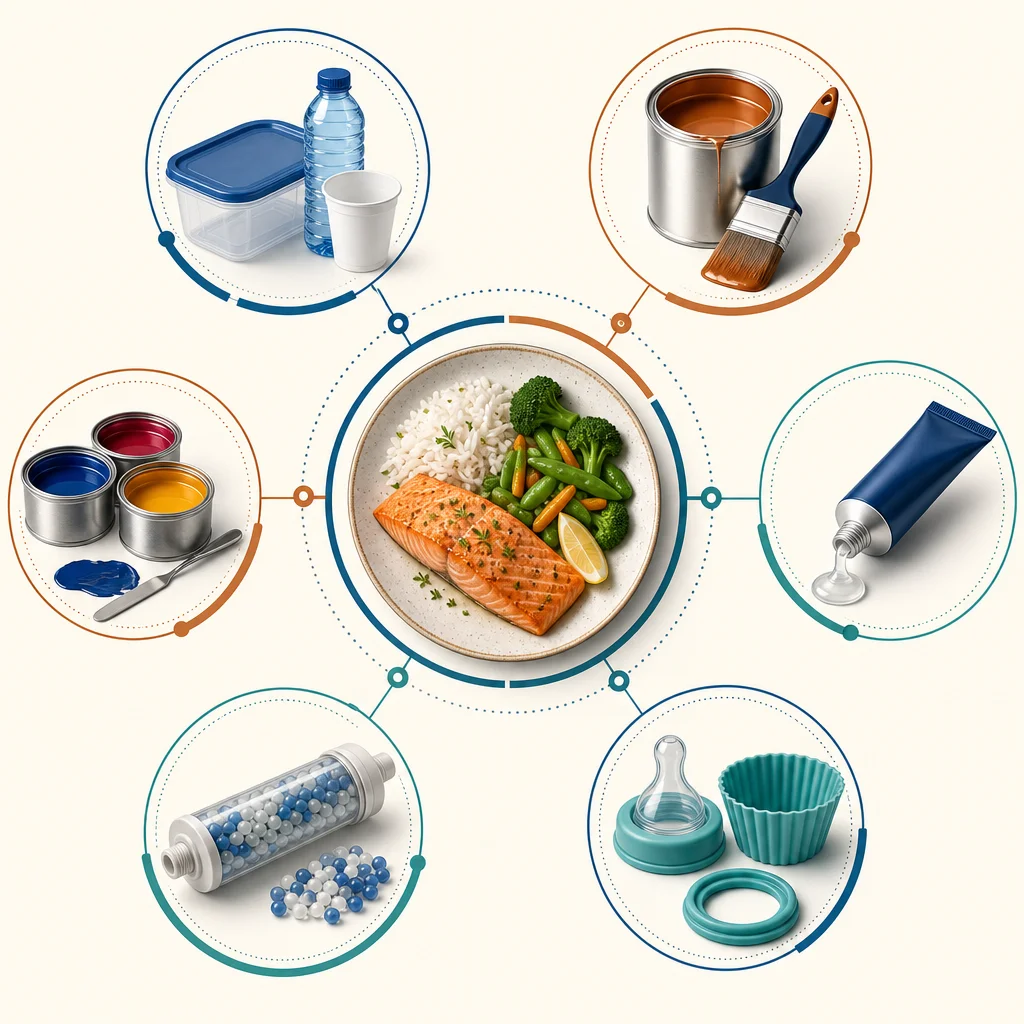
Commission Regulation (EU) 2024/3190 restricts BPA and addresses other hazardous bisphenols across a wide set of food-contact applications. The scope reaches beyond plastic bottles. It includes relevant varnishes and coatings, adhesives, printing inks, ion-exchange resins, and rubber or silicone materials, subject to detailed conditions, derogations, and transition dates.

The practical lesson for shoppers is equally important: BPA is a packaging and processing-material issue. It normally will not appear in the food's ingredient list, so an ingredient scanner cannot determine packaging chemistry from the recipe panel.
The Short Answer

QuestionAnswer after July 20, 2026
Did the EU restrict BPA in food-contact materials?Yes, through Regulation (EU) 2024/3190
Did every BPA-related article disappear on one date?No. The regulation contains exceptions, later transition windows, and stock or filling provisions
Is BPA a food ingredient?Usually no. It is associated with materials that contact food
Can an ingredient list prove packaging is BPA-free?No
Did the 2026 correction create the restriction?No. Regulation (EU) 2026/250 corrected the earlier measure

Why BPA Is a Food-Contact Question

Bisphenol A has been used to make or formulate materials with useful durability and barrier properties. In food systems, the concern has often centered on applications such as epoxy-based coatings inside metal cans and lids, certain plastics, and equipment components that contact food.

A food-contact material is not the same thing as a food ingredient. EU rules require materials to be manufactured so that constituents do not migrate into food in amounts that endanger health, unacceptably change composition, or harm sensory characteristics. Specific measures can further restrict particular substances and applications.

That framework explains why searching a cereal, soup, or beverage ingredient list for BPA is not a dependable screening method. The recipe and the package belong to different regulatory layers.

What Regulation 2024/3190 Covers

What Regulation 2024/3190 Covers

The regulation addresses BPA in a broad range of food-contact material groups, including relevant:

  • plastics
  • varnishes and coatings
  • adhesives
  • printing inks
  • ion-exchange resins
  • rubbers
  • silicones

It also creates controls around other bisphenols or bisphenol derivatives with specified hazardous properties. The exact treatment depends on the substance, material, use, and authorization conditions.

This breadth is why the EU banned BPA bottles is too narrow, while the EU banned every bisphenol everywhere is too broad.

What Happened on July 20, 2026

The regulation entered into force on January 20, 2025. It then provided transition periods so businesses could reformulate coatings, qualify replacement materials, update documentation, and manage existing stocks.

July 20, 2026 marked the end of the general 18-month window for first placing many noncompliant single-use final food-contact articles on the market. That is a meaningful compliance point, but it is not the only date in the regulation.

Some specified articles receive later windows because alternatives or qualification steps are more complex. The regulation also contains provisions governing when certain articles may be filled and how already marketed stock may move through the supply chain.

The safe summary is therefore:

  • a major general transition ended in July 2026
  • some narrower transitions continue
  • lawfully marketed stock and packaged food can remain under the regulation's conditions
  • the exact material and use determine the deadline

Why Exceptions and Later Dates Exist

Replacing one coating or component is not always a simple ingredient substitution. A food-contact material may need to resist heat, acidity, pressure, sterilization, or years of storage without failing. A replacement needs its own safety, migration, and performance evidence.

The EU used staged transitions to manage that technical reality while moving the market away from BPA. A later date is not proof that an application is risk-free. It is part of the regulation's risk-management design.

Likewise, an exception should be read narrowly. It applies to the defined use and conditions, not to BPA in every material.

What the 2026 Correction Did

Commission Regulation (EU) 2026/250 corrected technical aspects of the 2024 regulation. It did not create the BPA restriction from scratch, and its February 2026 publication should not replace the original adoption date in a timeline.

Corrections are common in complex legislation. They can fix cross-references, wording, annex details, or technical errors without changing the basic identity of the underlying measure.

When checking a claim about the rule, use the consolidated legal text and note whether a source discusses the original regulation, its correction, or later guidance.

What Shoppers Can and Cannot See

What Shoppers Can and Cannot See

You can see the package format

Glass, metal, paperboard, plastic, multilayer pouches, and reusable containers offer some context. Appearance still does not reveal the exact coating, adhesive, ink, resin, or processing component.

You may see a voluntary BPA-free statement

A company can provide packaging information or a voluntary claim. Read its scope carefully. BPA-free can lining does not necessarily describe every lid, seal, processing surface, or other bisphenol.

You usually cannot find BPA in the ingredient list

The list describes ingredients intentionally used in the food, subject to its own rules. It is not an inventory of packaging constituents or possible migrants.

You cannot infer compliance from one photo

Market, production date, material specifications, supplier declarations, and transition provisions all matter.

How This Differs From PFAS Packaging Rules

BPA and PFAS are different substance families with different uses, evidence, and legal measures. A package can raise questions about one without raising the same question about the other.

The existing PFAS food-packaging article owns the fluorinated-substance story. This page stays with bisphenols and Regulation 2024/3190.

Do not use forever chemicals as a casual synonym for BPA, and do not treat a BPA-free statement as evidence that a package is free from PFAS or every other substance of concern.

Reusable Articles Need Their Own Timeline

Single-use packaging and reusable equipment do not always share the same replacement schedule. A reusable tank, transfer line, container, or professional food-contact article can remain in service for years and may need a different technical path under the regulation.

That is another reason the July 2026 date should not be presented as a visual sweep of every kitchen and factory. Businesses need to identify the specific article, confirm whether a derogation or later transition applies, maintain compliance documentation, and replace it on the correct schedule.

Consumers are unlikely to see those records. A food business or manufacturer can answer a targeted question about its package or equipment, while competent authorities evaluate declarations and migration evidence.

Replacement Materials Are Not Automatically Risk-Free

Removing BPA does not prove that every substitute has the same chemistry, performance, or evidence base. EU food-contact rules still apply to replacement materials, and businesses remain responsible for suitability under intended conditions of use.

This does not justify assuming that every substitute is a regrettable replacement. It means BPA-free answers one narrow composition question. A broader safety conclusion depends on the exact material, migration testing, temperature, food type, contact time, and regulatory status.

Five Claims to Treat Carefully

  1. “BPA was eliminated from every EU food package in July 2026.” The measure has defined exceptions, later windows, and stock provisions.
  2. “Any older package is unsafe.” Transition provisions are regulatory controls, not product-specific diagnoses.
  3. “BPA must be listed as an ingredient.” Packaging chemistry and food recipes are different layers.
  4. “BPA-free means bisphenol-free.” Claim scope and replacement chemistry need separate evidence.
  5. “The 2026 correction introduced the ban.” The restriction comes from the 2024 regulation.

A Practical Packaging Check

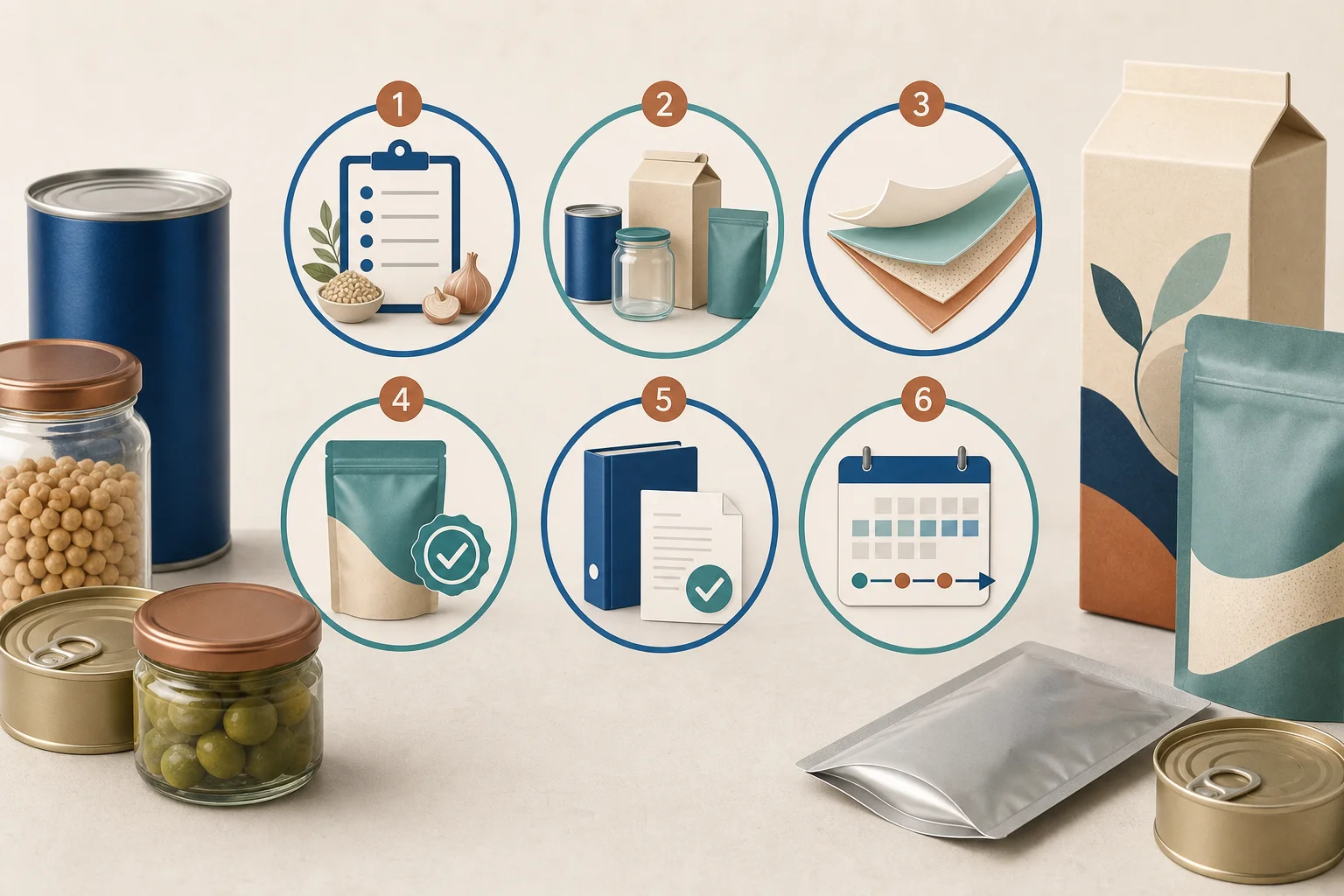
  1. Identify the market and date. EU transition rules do not automatically govern packaging made for another region.
  2. Separate food from contact material. Use the ingredient list for the recipe and packaging documentation for BPA questions.
  3. Read voluntary claims narrowly. Note whether they apply to the can lining, bottle, lid, or entire package.
  4. Ask the manufacturer a specific question. Name the package component and market instead of asking only whether the product is safe.
  5. Avoid one-date conclusions. Check the exact material and transition provision before deciding a package should no longer exist.

The July 2026 milestone moved the EU's BPA restriction into a new compliance phase without making every food-contact article identical overnight. IngrediCheck can help analyze the food ingredients inside a package, but packaging chemistry requires the manufacturer's material information, the applicable EU transition rule, and regulatory oversight.

Get the app for clearer label decisions.

Scan labels, see what fits your food notes, and read the why in plain English.

IngrediCheck app