Food Policy Watch

Alkaline Water: Health Trend or Misleading Label?

FSSAI seized misbranded alkaline water in India this month. What actually is alkaline water, what does the science say about its claims, and how are regulators around the world responding to the trend?

May 9, 2026|9 min read
By Sanket Patel|Updated 2026-05-09|3 sources|Editorial standards
Alkaline Water: Health Trend or Misleading Label?

On May 7, 2026, India's Food Safety and Standards Authority seized shipments of misbranded alkaline water in the country's western region. The agency cited two violations: the product contained non-permitted ingredients and its labeling did not comply with Indian food safety regulations. The seizure is part of a broader enforcement push by FSSAI, but it also highlights a consumer trend that has outgrown its regulatory framework in many countries.

Alkaline water is big business. The global market was valued at approximately $1.2 billion in 2024 and is projected to grow at an annual rate exceeding 8 percent through the end of the decade. Walk into any grocery store in the United States, and you will find brands like Essentia, Flow, and Core Hydration occupying premium shelf space. The category has moved from health food stores into mainstream retail, buoyed by celebrity endorsements, wellness influencer promotion, and a growing consumer appetite for functional beverages.

But what exactly is alkaline water? And what does the regulatory and scientific landscape actually say about it?
What Makes Water Alkaline

What Makes Water Alkaline

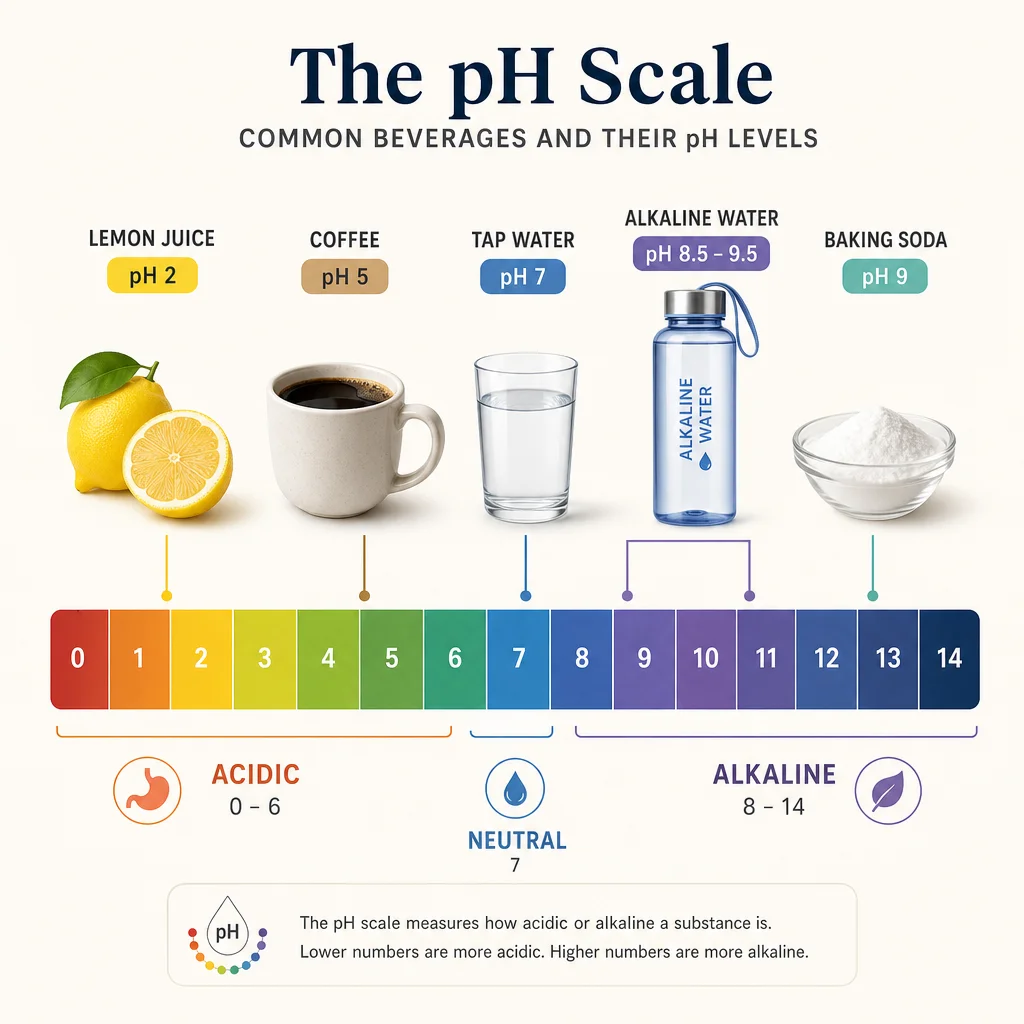
Alkaline water is defined by its pH level. Regular drinking water typically has a neutral pH of around 7. Alkaline water has a pH above 7, usually between 8 and 9.5. This higher pH can occur naturally, as with spring water that passes through mineral-rich rock formations, picking up calcium, magnesium, and potassium along the way. Or it can be manufactured through a process called electrolysis, which uses an ionizer device to separate water into acidic and alkaline streams.

The key distinction for consumers, and for regulators, is between naturally alkaline water and artificially ionized alkaline water. Naturally alkaline spring water contains dissolved minerals that contribute to its pH. Artificially ionized water may have minerals added back after processing, or it may simply be electrically treated tap water with nothing else added.

Some alkaline water products also undergo processes that claim to add molecular hydrogen, produce micro-clustered water molecules, or impart negative oxidation-reduction potential. These are separate claims from alkalinity itself and carry their own scientific burden of proof.

The Health Claims Under Scrutiny

Alkaline water is marketed with a range of health claims. It neutralizes excess acid in the body. It slows aging. It prevents chronic disease. It improves hydration better than regular water. It boosts the immune system. It even fights cancer.

The scientific evidence supporting these claims is thin. The human body maintains blood pH within a tightly regulated range of roughly 7.35 to 7.45 through mechanisms in the lungs and kidneys. Drinking water with a pH of 9 does not meaningfully alter systemic blood pH. The stomach immediately acidifies whatever you drink with gastric acid at a pH of around 1.5 to 3.5.

A 2016 systematic review published in BMJ Open found no compelling evidence supporting the use of alkaline water for cancer treatment. A 2022 review in the journal Nutrients found limited and inconsistent evidence for alkaline water's effects on hydration, bone health, or acid-base balance.

There are specific, narrow circumstances where alkaline water may have a measurable effect. A 2012 study in the Annals of Otology, Rhinology and Laryngology found that water with a pH of 8.8 could deactivate pepsin, an enzyme involved in acid reflux, suggesting a possible role in managing laryngopharyngeal reflux. In these cases, however, the benefit is local to the esophagus, not systemic throughout the body.

"Despite the popularity of the alkaline diet and alkaline water, the body's pH is not significantly changed by what you eat or drink," notes the Cleveland Clinic. "Your kidneys and lungs do the work of maintaining your body's pH balance."

The disconnect between marketing claims and scientific evidence is not unique to alkaline water. It is a recurring pattern in the functional beverage category, from electrolyte-infused waters to hydrogen water to oxygenated water. What makes alkaline water noteworthy is the scale of the market and the degree to which consumers equate "alkaline" with "healthy" without a clear regulatory definition of what either term means.

The FSSAI Action: A Closer Look

The FSSAI Action: A Closer Look

The FSSAI enforcement action in May 2026 focused on two violations. First, the seized alkaline water contained ingredients not permitted under Indian food safety regulations for drinking water. The specific non-permitted ingredients were not publicly disclosed, but common additions to alkaline water include ionized minerals, electrolyte blends, and, in some cases, colloidal silver or other supplements that have no established safety profile in drinking water.

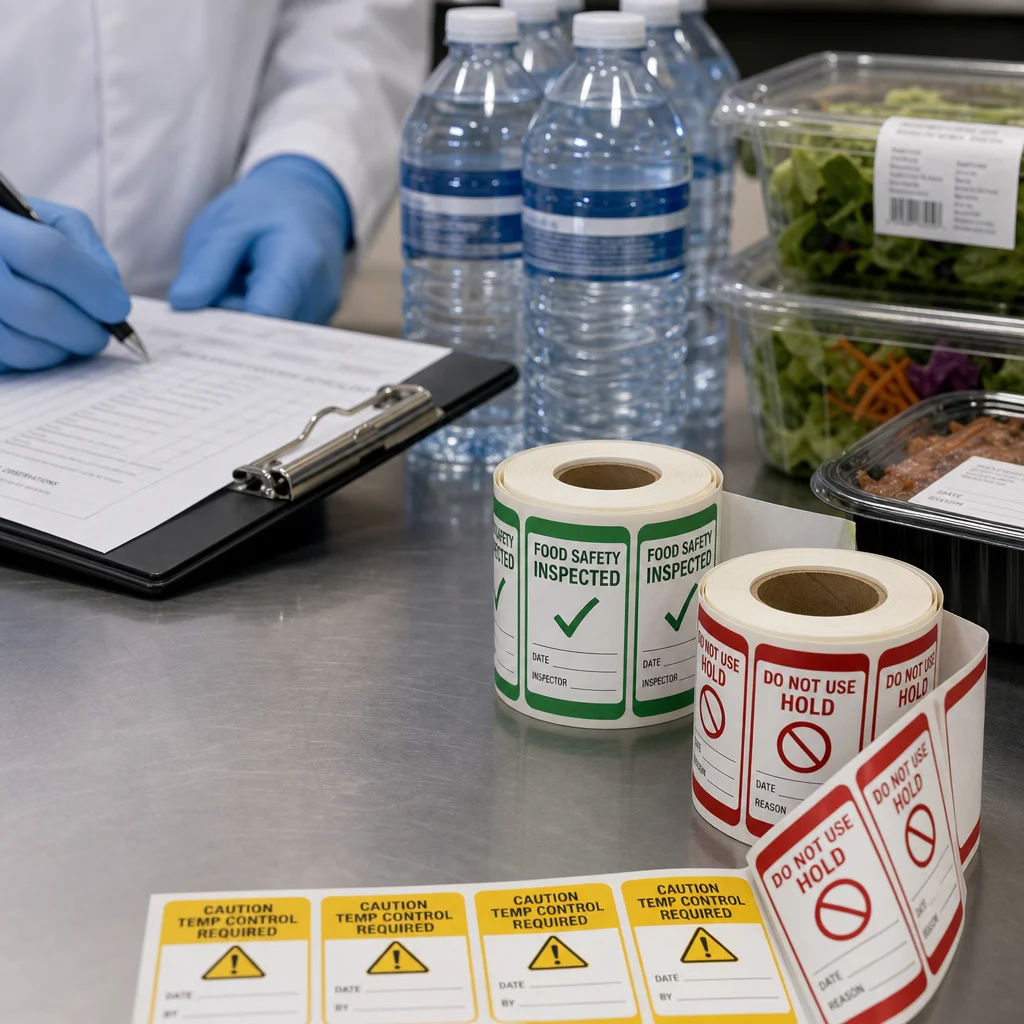
Second, the labeling violated Indian food safety rules. India's labeling requirements are specific about what can be claimed on packaged water products. Unauthorized health claims, unapproved nutrient content declarations, and misleading terminology all fall under FSSAI's labeling enforcement authority.

This is not the first time Indian regulators have acted on alkaline water. In 2021, FSSAI issued a notice requiring that packaged drinking water comply with specific standards for total dissolved solids, pH range, and mineral content. The agency has also previously warned against making medicinal claims on food products, including water.

How Other Countries Regulate Alkaline Water

Regulatory approaches to alkaline water vary significantly by country.

United States: The FDA regulates bottled water as a packaged food product. The agency sets standards of identity for different types of bottled water including spring water, purified water, mineral water, and artesian water. Alkaline water does not have its own standard of identity. Manufacturers can add minerals to adjust pH and can make structure-function claims, but they cannot claim to treat or prevent disease without drug approval. The FDA has issued warning letters to alkaline water companies that crossed the line into disease claims.

European Union: Under EU Regulation, natural mineral waters must come from recognized underground sources and may not be treated beyond filtration for unstable elements. Alkaline water produced through electrolysis or mineral addition would not qualify as natural mineral water and would instead be regulated as a processed water product. Health claims on water products must be authorized under the EU Nutrition and Health Claims Regulation, which has approved very few claims related to water beyond hydration and maintenance of normal physical function.

Japan: Japan has a longer history with alkaline ionized water than most countries. The Ministry of Health, Labour and Welfare approved alkaline ionized water electrolyzers as medical devices in 1965 for specific gastrointestinal indications, based on clinical evidence available at the time. The approval is limited to specific devices and specific uses. It does not extend to bottled alkaline water sold as a general consumer product.

Australia/New Zealand: FSANZ regulates packaged water under the Food Standards Code. Alkaline water must comply with the same safety and labeling requirements as other packaged water products. Health claims are restricted to those pre-approved in the Standard for Nutrition, Health and Related Claims.

What Consumers Should Look For

If you choose to drink alkaline water, three questions can help cut through the marketing.

Is the product naturally alkaline from mineral content, or artificially ionized? Naturally alkaline spring water contains minerals that may have independent health benefits, regardless of the pH. Artificially ionized water is simply treated tap water with a higher pH. The distinction matters for both nutrition and value.

What exactly is being claimed on the label? Claims about pH level are factual and measurable. Claims about hydration, energy, detoxification, or disease prevention are marketing, not science, unless backed by specific authorized health claims in your country.

Are there added ingredients beyond minerals? If the product contains colloidal silver, proprietary electrolyte blends, or supplements, those ingredients come with their own safety profile and may not be permitted in drinking water in all jurisdictions.

For consumers who want to monitor what is in their beverages alongside their food, a barcode scanner can flag additives and ingredients that may be unexpected. Using IngrediCheck, you can scan bottled beverages and instantly see a breakdown of every ingredient on the label. When a water product lists more than water on its label, it pays to know exactly what else you are drinking.

Next Label Check

Follow the scanner, hub, and ingredient paths connected to this guide

Get the app for clearer label decisions.

Scan labels, see what fits your food notes, and read the why in plain English.

IngrediCheck app