Emulsifiers allow oil and water to mix, which is why mayonnaise and salad dressings don't separate on the shelf. They are ubiquitous in processed foods.
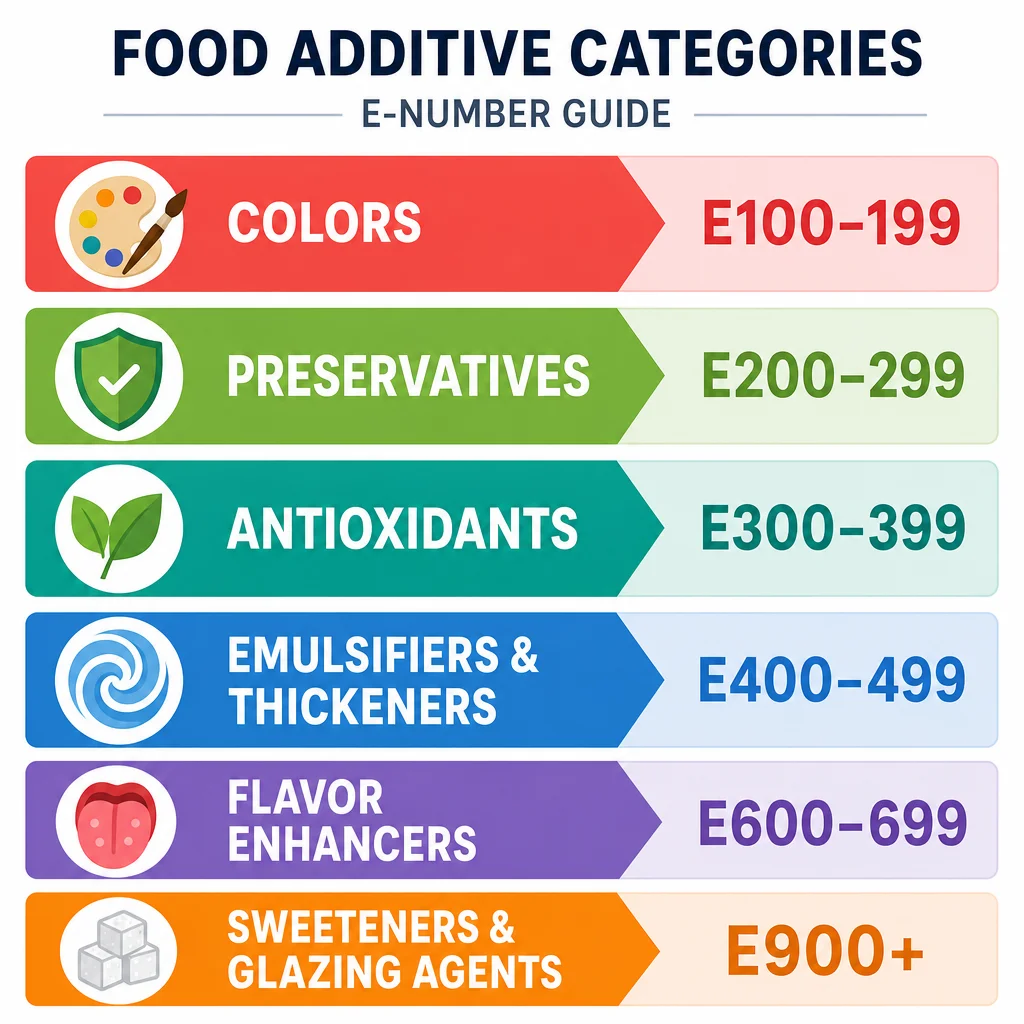
Lecithin (E322) is derived from soy, sunflower, or eggs and is considered very low risk. It appears in chocolate, margarine, and baked goods.
Mono- and diglycerides of fatty acids (E471) are the most used emulsifiers in bread, ice cream, and margarine. Despite being derived from fats, they are not required to be listed under the nutrition panel's fat content in most jurisdictions — a labeling quirk that affects calorie and fat calculations for people who track them.
Carrageenan (E407) is derived from red seaweed and appears widely in plant milks, deli meats, and dairy products. Preclinical studies have shown it can promote intestinal inflammation, though the evidence in humans at typical food doses is contested. The National Organic Standards Board voted to remove it from the list of allowed organic ingredients in 2016, a decision that was overturned — the debate over its status is ongoing.
Carboxymethylcellulose (CMC, E466) is a synthetic fiber derivative used as a thickener and stabilizer. A randomized controlled trial published in Gastroenterology in 2022 found that CMC consumption over 11 days caused measurable microbiome disruption, reduced levels of health-associated metabolites, increased gut permeability, and in two participants, bacteria invading the normally sterile intestinal mucus layer. A 2024 French cohort study (NutriNet-Santé, n=92,000) found associations between several emulsifiers including CMC and increased risk of certain cancers.
These findings are observational or short-term — they establish association and biological plausibility, not definitive causation. But the scale of the NutriNet-Santé cohort and the direct mechanistic evidence from the CMC trial have made emulsifiers one of the most closely watched additive categories in current food science.