Label Reading Guides

Bread Brands Without Potassium Bromate: Verified List

Compare bread brands and products using current manufacturer policies or ingredient lists that do not show potassium bromate or bromated flour.

Jul 26, 2026|9 min read
By Sanket Patel|Updated 2026-07-26|5 sources|Editorial standards
Bread Brands Without Potassium Bromate: Verified List

Quick answer: Arnold, Brownberry, and Oroweat state that none of their breads use bromated flour or potassium bromate. Current manufacturer ingredient lists for Nature's Own 100% Whole Wheat, Dave's Killer Bread 21 Whole Grains and Seeds, and Food for Life Ezekiel 4:9 also show no bromate terms. Recheck the package before buying because formulas change.

This guide is for U.S. shoppers who want a practical starting list, not a ranking of the healthiest or best-tasting breads. Every example below met one of two evidence standards on July 26, 2026: the manufacturer published a brand-wide no-bromate statement, or the manufacturer published a current ingredient list for a specific product that did not show potassium bromate, bromated flour, or enriched bromated flour.

Those evidence types are not interchangeable. A brand-wide policy is broader than one product list. An ingredient-list check is a dated snapshot, not a promise that every variety from the brand uses the same flour. Recipes, suppliers, package sizes, and regional products can change, so always compare this guide with the package in your hand.
Verified Bread Brands and Products

Verified Bread Brands and Products
Brand or productWhat the manufacturer currently showsEvidence scopeCheck before buying
Arnold breadsArnold's bread FAQ says, "We do not use bromated flour or potassium bromate in any of our breads."Brand-wide published policyConfirm the package if the product is new, imported, or sold under a different regional label.
Brownberry breadsBrownberry's bread FAQ publishes the same no-bromated-flour and no-potassium-bromate statement for its breads.Brand-wide published policyBrownberry is a regional brand, so make sure the loaf actually carries the Brownberry name.
Oroweat breadsOroweat's bread FAQ states that none of its breads use bromated flour or potassium bromate.Brand-wide published policyCheck the current package when a variety or recipe is marked new.
Nature's Own 100% Whole WheatThe current manufacturer ingredient list shows whole wheat flour, water, yeast, brown sugar, wheat gluten, and smaller-quantity ingredients, with no bromate term listed.One named product, checked July 26, 2026Do not extend this finding to every Nature's Own loaf without reading that product's label.
Dave's Killer Bread 21 Whole Grains and SeedsThe current manufacturer ingredient list shows organic whole wheat, grains and seeds, cultured wheat flour, and other ingredients, with no bromate term listed.One named product, checked July 26, 2026Dave's explicitly tells shoppers to use the actual package for the latest ingredient information.
Food for Life Ezekiel 4:9 Sprouted Whole Grain BreadThe current manufacturer ingredient list lists sprouted grains and legumes, wheat gluten, yeast, and sea salt, with no bromate term listed.One named product, checked July 26, 2026Check the exact Ezekiel variety. Original, Sesame, Cinnamon Raisin, and other products are separate formulas.

This is a verified examples list, not a complete directory of every bread without potassium bromate. A brand is not excluded because it necessarily uses bromate. It may simply lack a sufficiently clear, current first-party source for this review.

How We Verified the List

The method was designed to answer a narrow shopping question without pretending that a website check is laboratory testing.

1. We preferred manufacturer sources

Brand FAQs and official product pages were the primary evidence. Retail listings can lag after reformulation, and crowdsourced food databases can contain photographs or transcriptions from older packages. They can be useful leads, but they were not enough for inclusion by themselves.

2. We separated brand-wide policies from product-level evidence

Arnold, Brownberry, and Oroweat make explicit statements covering all breads sold under their respective brands. The other rows are narrower: the manufacturer-published ingredient list for one named loaf did not disclose a bromate term on the date checked.

An absent term is not the same type of evidence as an explicit brand policy. That distinction is why the table includes an evidence-scope column instead of presenting every row as an equal guarantee.

3. We checked the words that can appear on a U.S. label

The FDA identifies potassium bromate as a dough strengthener and flour-treating agent. Federal bread standards recognize bromated flour as an optional bread ingredient, while the flour standard defines bromated flour as flour with potassium bromate added within the stated limit. In practical terms, a shopper must check both the additive name and the flour description.

The three highest-signal terms are:

  • potassium bromate
  • bromated flour
  • enriched bromated flour

You may also see a product explicitly described as unbromated. That is helpful affirmative wording, but its absence does not prove the bread is bromated.

4. We recorded the check date

This list was reviewed on July 26, 2026. That date matters because packaged-food pages are not permanent technical records. A reformulation can make an old article wrong even when it was accurate when published.

How to Check Any Bread Label Yourself

How to Check Any Bread Label Yourself

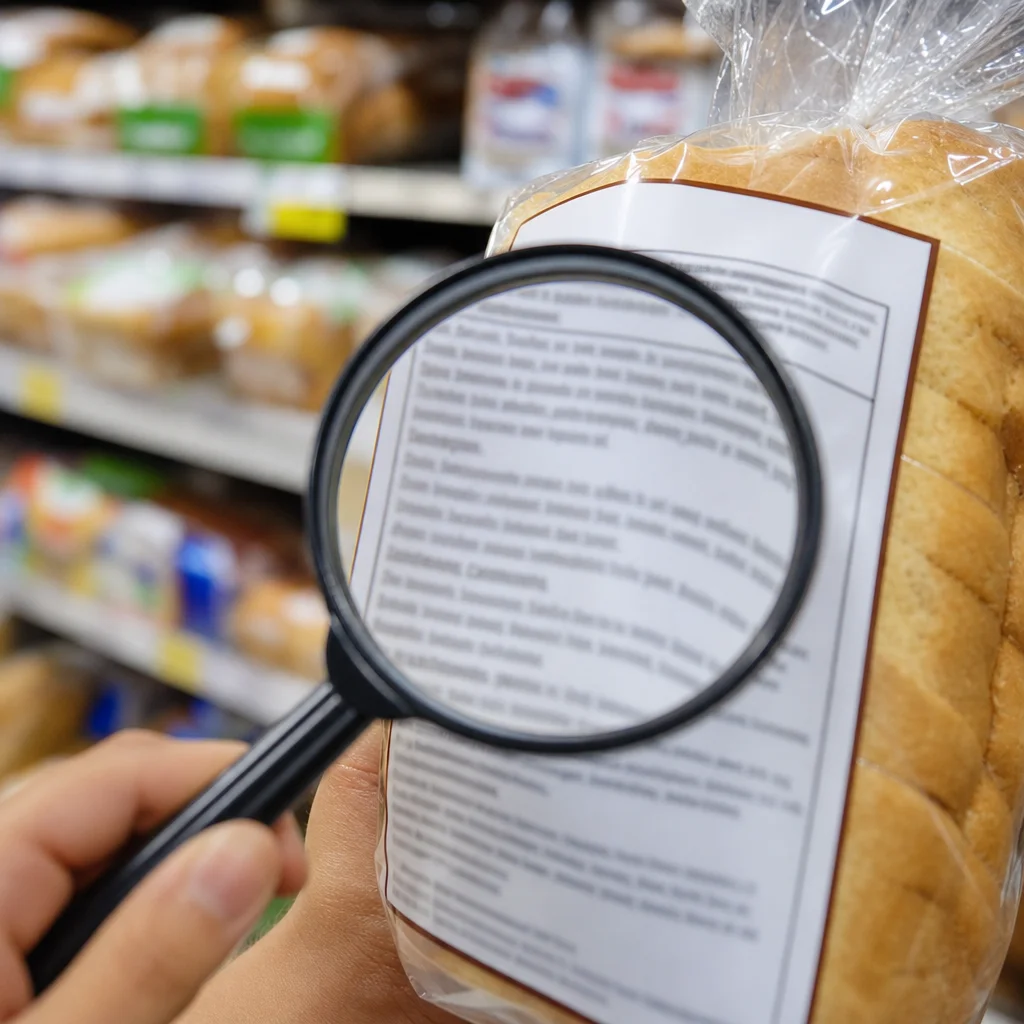
Start with the first flour phrase. In packaged bread, the relevant clue may sit inside parentheses after enriched flour rather than appearing as a separate ingredient near the end.

For example:

Enriched bromated flour (wheat flour, malted barley flour, niacin, reduced iron...)

The word bromated in that phrase answers the question even if potassium bromate is not repeated elsewhere.

Then scan the rest of the ingredient statement. Some bread recipes use several flour components, dough conditioners, or improvers. Check every flour description rather than stopping at the first familiar word.

Use this three-step check:

  1. Look for bromated anywhere in the flour description.
  2. Look for potassium bromate elsewhere in the ingredient list.
  3. If neither appears, check whether the brand or product makes an explicit unbromated claim, then confirm the current package.

If you are comparing flour terms rather than brands, use our focused guide to potassium bromate vs bromated flour. It explains why unbleached and unbromated answer different questions.

Unbleached Does Not Mean Unbromated

This is the most common shortcut that fails.

Unbleached describes whether flour was treated with chemical bleaching agents to accelerate whitening and aging. Unbromated describes whether potassium bromate was used as a flour improver. One word does not logically establish the other.

A flour package or bread label can say unbleached flour without making an unbromated claim. Conversely, a manufacturer may explicitly say its flour is both unbleached and unbromated.

For home bakers, King Arthur is a clear example of the stronger evidence. The company's bromate reference says its flour has never contained bromate, while its all-purpose flour page states that the flour contains no bleach and no bromate. That evidence applies to flour for baking at home, not to a ready-to-eat King Arthur bread range.

What About Organic Bread?

Organic certification may narrow the ingredient choices available to a manufacturer, but the most reliable shopping action remains the same: read the exact ingredient statement and current certification details on the package.

Do not infer that every loaf with rustic packaging, sprouted grains, a bakery-style name, or an organic claim is automatically unbromated. Those attributes can coexist with a simpler flour statement, but they are not substitutes for the bromate check.

The same caution applies in reverse. A conventional bread is not automatically bromated. The brand-wide Arnold, Brownberry, and Oroweat policies in this list demonstrate why the ingredient or policy evidence matters more than assumptions based on marketing style.

Bakery, Restaurant, and Store-Brand Bread

Unpackaged bread is harder to verify because you may not have a full ingredient panel in front of you. Ask a specific question:

Is the flour used for this bread bromated, or does it contain potassium bromate?

Asking only whether the bread is "clean" or whether the flour is "unbleached" can produce an answer to the wrong question. If staff cannot confirm, request the flour bag specification, product binder, or supplier ingredient sheet.

Store brands deserve the same product-by-product treatment. One retailer may source similar-looking loaves from different regional bakeries, and the formula can vary by supplier. A national retailer name on the front does not establish one national flour policy.

Why the U.S. Label Check Still Matters

Potassium bromate remains recognized in federal U.S. food rules. The FDA's current chemical-review table lists it as a food ingredient in "Review of Information" status, and federal bread and flour standards still describe permitted uses.

California has taken a different path. The California Food Safety Act prohibits food containing potassium bromate in state commerce beginning January 1, 2027. That deadline is likely to encourage broader reformulation, but shoppers should not assume that every product in every state has already changed.

For the health evidence, country-by-country status, and regulatory history, read Potassium Bromate in Bread: Uses, Risks, and Global Bans. This page intentionally does not duplicate that toxicology and policy analysis. Its job is to help you choose and verify a loaf.

The Practical Bottom Line

The clearest starting points are brands with explicit, current no-bromate policies. Arnold, Brownberry, and Oroweat provide that stronger brand-wide evidence. Nature's Own 100% Whole Wheat, Dave's Killer Bread 21 Whole Grains and Seeds, and Food for Life Ezekiel 4:9 are useful product-level examples whose current manufacturer ingredient lists do not show bromate terms.

Keep the evidence scope in mind. A policy can change, and one product list does not cover a whole brand. Read the current package, look inside the flour statement, and do not treat unbleached as a synonym for unbromated.

IngrediCheck can help you scan an ingredient list against your saved ingredient preferences while you compare breads. It is an additional label-reading tool, not a replacement for the current package, a manufacturer confirmation, or medical advice.

Frequently Asked Questions

Which bread brands do not use potassium bromate?

Arnold, Brownberry, and Oroweat state that they do not use bromated flour or potassium bromate in any of their breads. Other brands may have individual products whose current ingredient lists omit bromate, but shoppers should recheck the package because formulas can change.

Does Nature's Own bread contain potassium bromate?

The manufacturer ingredient list for Nature's Own 100% Whole Wheat Bread did not list potassium bromate or bromated flour when checked on July 26, 2026. That finding applies to the named product and date, not automatically to every Nature's Own product or future formula.

How can I tell whether bread has potassium bromate?

Check the flour statement and the rest of the ingredient list for potassium bromate, bromated flour, or enriched bromated flour. An explicit unbromated claim is useful, but unbleached alone does not mean unbromated.

Does unbleached flour mean unbromated flour?

No. Unbleached describes bleaching treatment, while unbromated describes potassium-bromate treatment. A product may make one claim, both claims, or neither, so check for bromate wording separately.

Can a bread recipe change after it appears on this list?

Yes. Brands may change suppliers, recipes, package sizes, or regional formulas. Use this list as a starting point and confirm the ingredient statement on the package you are buying, especially if avoiding bromate is important to you.

Next Label Check

Follow the scanner, hub, and ingredient paths connected to this guide

Get the app for clearer label decisions.

Scan labels, see what fits your food notes, and read the why in plain English.

IngrediCheck app