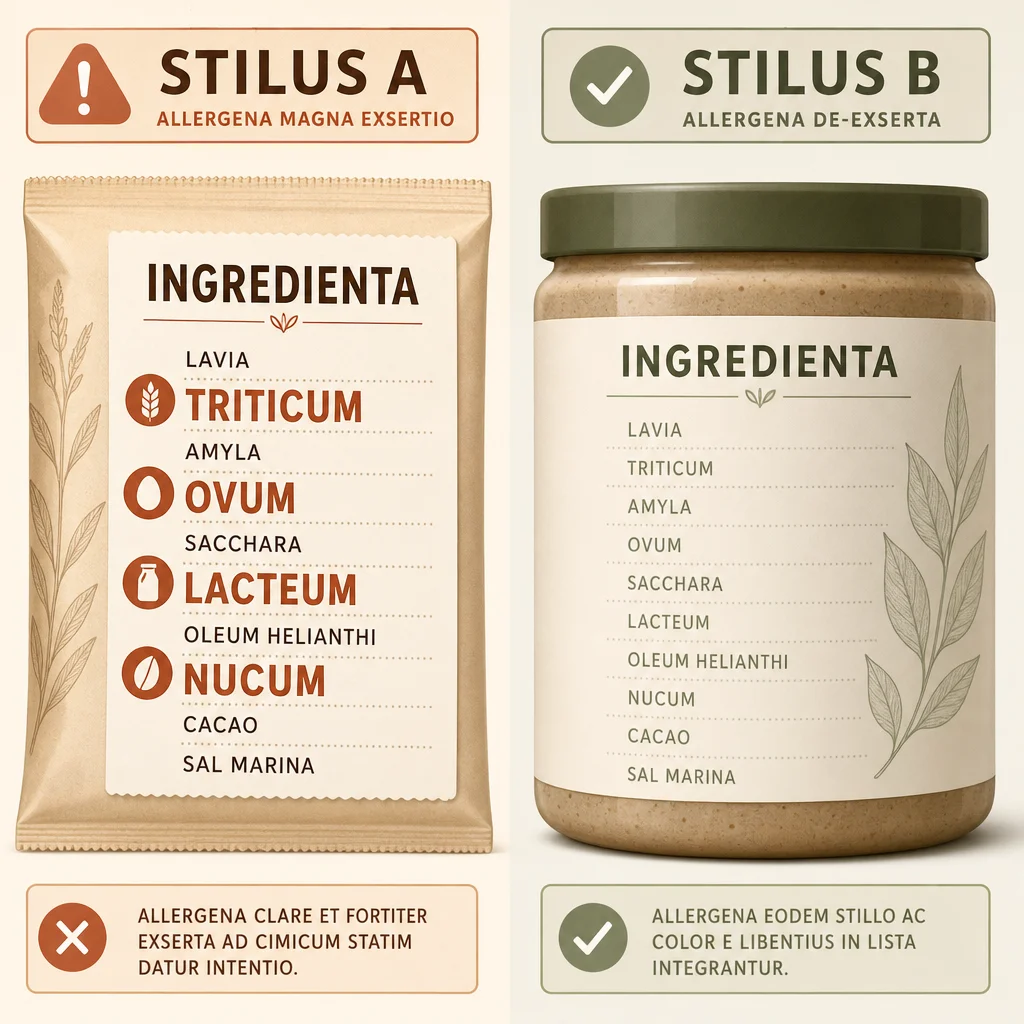
In the United Kingdom, a prepared soup is not just comfort food. For people with wheat allergy, coeliac disease, or non-coeliac gluten sensitivity, a glass jar of minestrone is a high-stakes object. The ingredients list is the first line of defence, and the law is written so that the most dangerous words for those groups are hard to miss.
On 6 May 2026, the Food Standards Agency (FSA) published an Allergy Alert for Daylesford Organic Minestrone Soup with Cannellini Beans, Pasta Shells and Olive Oil in a 500ml pack. The product contains wheat (gluten), but wheat (gluten) was not emphasised on the label in the way UK rules require. The FSA's risk statement is blunt: the situation is a health risk for people with an allergy or intolerance to wheat or gluten, and for people with coeliac disease.
This article is not about singling out one brand. Recalls like this are useful because they make a dry compliance rule visible in real life. They show why emphasis matters just as much as presence on a label, and why shoppers benefit from a repeatable scanning habit rather than a quick glance at the front of pack.
If you are building a safer grocery routine for yourself or your family, pair this incident with the broader guides on the gluten-free topic hub. The combination helps you connect regulatory headlines to what's on the shelf week after week.