Label Reading Guides

Gluten-Free Barcode Scanner App: Catch Hidden Gluten Faster

A gluten-free barcode scanner app helps people with celiac disease or gluten sensitivity spot hidden gluten faster. Here's why labels are still hard and how IngrediCheck helps.

Apr 13, 2026|7 min read
Gluten-Free Barcode Scanner App: Catch Hidden Gluten Faster

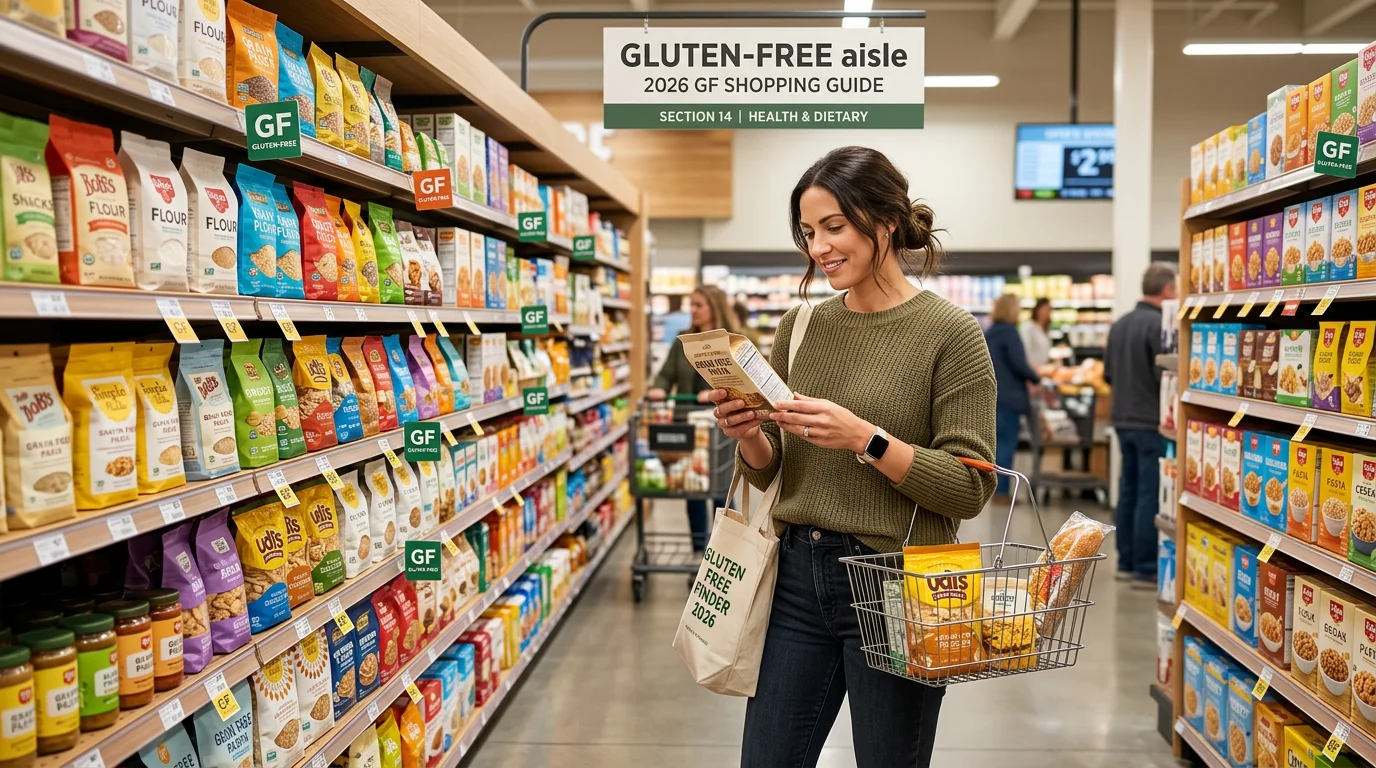
If you live with celiac disease or gluten sensitivity, grocery shopping is rarely as simple as picking up a box and trusting the front label. You still have to check the ingredient panel, scan for barley and malt, think about cross-contact, and decide whether a product is truly worth the risk.

That is exactly where a gluten-free barcode scanner app can help. It turns a long, repetitive label-reading task into a faster review process, so you can catch obvious problems quickly and slow down only when a product actually needs closer attention.

This article is for informational purposes only and should not be considered medical advice. If you have celiac disease or another diagnosed medical condition, follow your clinician's guidance for gluten avoidance.

Why Gluten Labels Still Take Work

The FDA's gluten-free rule gives shoppers an important standard: foods labeled "gluten-free," "no gluten," "free of gluten," or "without gluten" must meet the agency's requirements, including containing less than 20 parts per million of gluten. That is useful, but it does not remove the need to read labels carefully.

There are a few reasons why:

  • gluten-free labeling is voluntary, so a product may be safe without saying so
  • wheat-free and gluten-free are not the same thing
  • barley and rye do not appear in allergen callouts the same way wheat does
  • ingredient lists still require interpretation when you are in a rush

The Celiac Disease Foundation's label-reading guidance also recommends checking ingredients even when a product is labeled gluten-free, because labeling mistakes and confusing ingredient lists can still happen.

The Problem with Hidden Gluten

According to NIDDK, gluten can show up in processed foods through ingredients and additives such as flavorings, starches, and thickeners. In practice, that means the risky part of shopping is often not the obvious bread or pasta. It is the less obvious product where gluten hides in a term you do not immediately recognize.

Common trouble spots include:

  • malt extract, malt flavoring, or barley malt
  • soy sauce and other wheat-containing sauces
  • oats that are not specifically labeled gluten-free
  • soups, seasonings, dressings, and snack foods with grain-based additives
  • imported or reformulated products that look familiar but are not identical to what you bought before

This is why manual checking feels exhausting. The question is not only "Does this contain wheat?" It is also "What exactly is this ingredient?" and "Did this product change since the last time I bought it?"

What a Gluten-Free Barcode Scanner App Should Actually Do

A useful scanner should do more than flash a generic warning. It should help you make a faster, clearer decision in the aisle.

At minimum, it should:

  • flag likely gluten-containing ingredients quickly
  • surface hidden sources like malt, barley, rye, and brewer's yeast
  • work from both barcodes and ingredient-label photos
  • explain why a product was flagged
  • support different sensitivity levels, such as strict celiac avoidance versus a more moderate review profile

That last point matters. Not every shopper is using the same threshold or shopping for the same person. A parent managing celiac disease for one child may want a stricter setting than an adult who is tracking gluten sensitivity under clinician guidance.

How IngrediCheck Helps

IngrediCheck is built for the moment when you are standing in front of a shelf and need a clearer answer fast.

The workflow is simple:

  1. Scan the barcode or ingredient label.
  2. IngrediCheck checks the ingredient list for gluten signals and hidden sources.
  3. You get a clear result tied to your saved profile, so you know whether the product looks safe or needs closer review.

That helps with the real-world problems gluten-free shoppers run into every week:

  • long ingredient panels that are easy to skim past
  • confusing ingredient names
  • products that use barley or malt instead of explicitly saying gluten
  • repeat purchases that may have been reformulated
  • households where different people have different levels of sensitivity

Instead of decoding every label from scratch, you start with a structured check and then review the label more deliberately when the app tells you something needs attention.

Who This Is For

This kind of tool is especially useful for:

  • people with celiac disease who need strict gluten avoidance
  • people managing gluten sensitivity
  • parents shopping for children who cannot safely "take a chance" on unclear labels
  • households where one person needs strict gluten screening and another needs a less strict review profile

For people with IBS, gluten avoidance is more individual and should follow clinician guidance. But if gluten is part of the foods you are actively screening out, faster ingredient review can still reduce shopping friction.

Why Manual Checking Still Fails

You can absolutely read labels yourself, and you still should. The problem is that manual checking alone is slow and mentally expensive when repeated across an entire grocery trip.

It breaks down because:

  • ingredient names vary across brands and countries
  • hidden gluten sources are not always obvious at a glance
  • package formulas change over time
  • small print is easy to rush through
  • shoppers often rely on memory for products they have bought before

A scanner does not replace judgment. It reduces the amount of raw interpretation you have to do from scratch every time.

Start Scanning with Less Guesswork

If you are tired of decoding every cereal box, snack label, sauce bottle, and frozen meal by hand, a gluten-free barcode scanner app gives you a faster system. You still review the label when it matters, but you do not have to begin from zero every time.

With IngrediCheck, you can scan the next product you pick up, catch obvious gluten risks faster, and shop with more confidence than manual label reading alone.

Get the app for clearer label decisions.

Scan labels, see what fits your food notes, and read the why in plain English.

IngrediCheck app