Not all sugar substitutes are created equal. Some are genuinely keto-friendly with minimal impact on blood sugar, while others should be treated with the same caution as regular sugar.
Erythritol: The Keto Standard
Erythritol is a sugar alcohol that has become the gold standard for keto baking and cooking. It has a glycemic index of zero and provides about 70% of the sweetness of sugar with virtually no calories or usable carbs.
Unlike other sugar alcohols, erythritol is absorbed directly into the bloodstream in the small intestine and excreted unchanged in urine. This means it doesn't reach the colon, which is why it rarely causes the digestive distress associated with other sugar alcohols.
A 2023 study raised concerns about a potential link between high blood erythritol levels and cardiovascular events. However, nutrition experts have noted that this association was based on observational data and doesn't establish causation. The study measured blood levels, not dietary intake, and people with metabolic issues naturally produce more erythritol internally.
Allulose: The Rising Star
Allulose is classified as a "rare sugar" because it occurs naturally in small quantities in foods like wheat, figs, and raisins. Despite having a molecular structure similar to fructose, the body cannot metabolize allulose. Approximately 70% passes through the body unchanged, contributing negligible calories and carbs.
The Cleveland Clinic notes that allulose provides about 70% of the sweetness of table sugar with minimal caloric value. It behaves remarkably like sugar in recipes, creating soft, moist baked goods without affecting blood sugar levels.
One important note: allulose is not yet approved in the European Union, so if you're shopping internationally, availability may vary.
Stevia and Monk Fruit
Both stevia and monk fruit are plant-derived sweeteners with zero glycemic impact. Stevia comes from the leaves of the Stevia rebaudiana plant, while monk fruit (luo han guo) is derived from a small melon native to Southeast Asia.
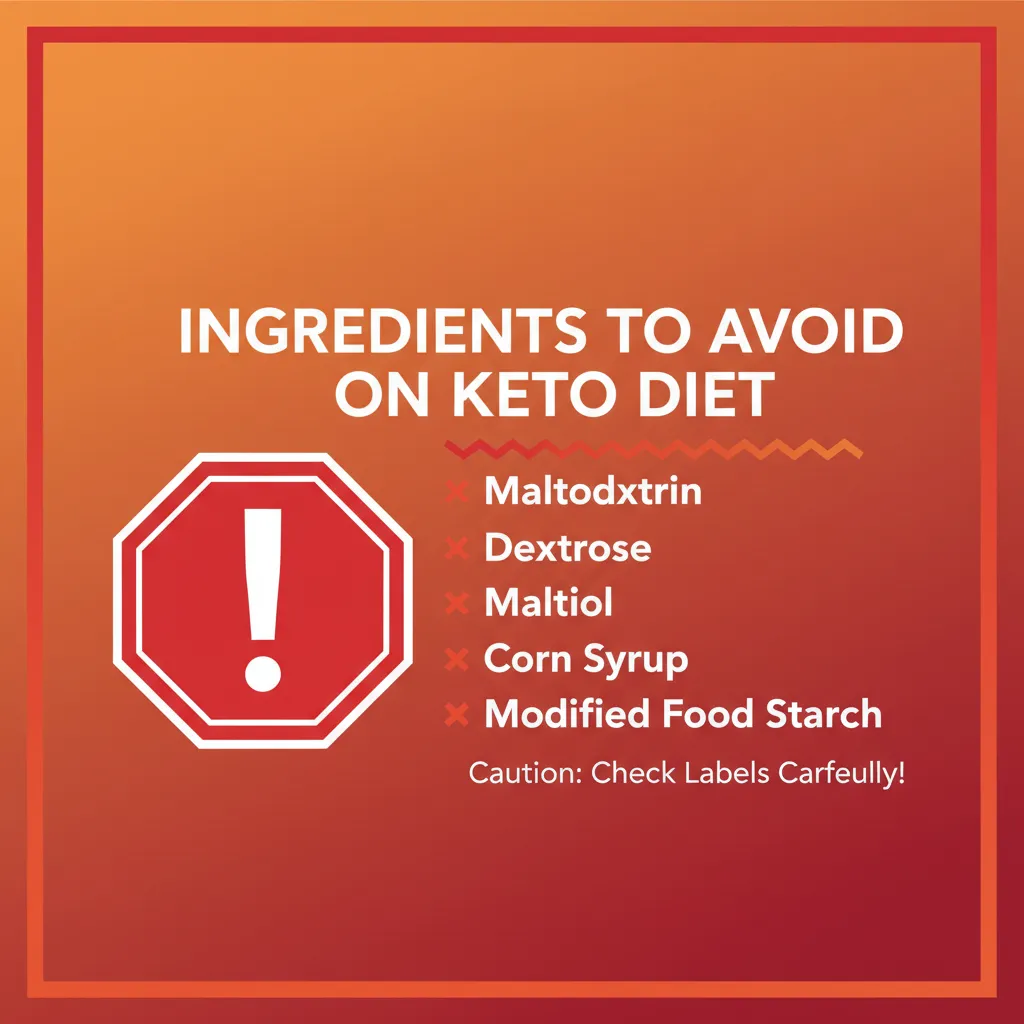
These sweeteners are intensely sweet, so a little goes a long way. However, be cautious about commercial stevia products. Some powdered stevia blends contain maltodextrin or dextrose as bulking agents to improve texture. Always check the ingredients list, not just the front of the package.
Sweeteners Ranked by Safety
| Sweetener | Glycemic Index | Keto Verdict |
|---|
| Erythritol | 0 | Excellent |
| Allulose | 0 | Excellent |
| Stevia (pure) | 0 | Excellent |
| Monk fruit | 0 | Excellent |
| Xylitol | 13 | Use sparingly |
| Maltitol | 35-52 | Avoid |
| Sorbitol | 9 | Limit |
Note: Xylitol is extremely toxic to dogs. If you have pets, consider using erythritol or allulose instead.