Label Reading Guides

Refined Oils and Food Allergies: Peanut, Soy, and Nut Rules

Compare highly refined, cold-pressed, and expeller-pressed oils, then see how peanut, soybean, and tree-nut oil allergen labels differ by country.

Jul 25, 2026|10 min read
By Sanket Patel|Updated 2026-07-25|7 sources|Editorial standards
Refined Oils and Food Allergies: Peanut, Soy, and Nut Rules

An oil's source and processing method are separate label facts. Highly refined peanut oil is not the same regulatory or clinical case as cold-pressed peanut oil. Fully refined soybean oil can receive an allergen-label exemption in several countries, while fully refined peanut or tree-nut oil may be treated differently in those same countries.

The safest reading rule is simple: identify the plant, identify the processing description, and apply the law for the country where the package is sold. Do not generalize one oil exemption to every oil or every allergy.

The Difference Is Residual Protein, Not Just Color

The Difference Is Residual Protein, Not Just Color

Food allergy reactions are caused by proteins. Oil is mostly fat, but the amount of residual protein depends on the source and processing.

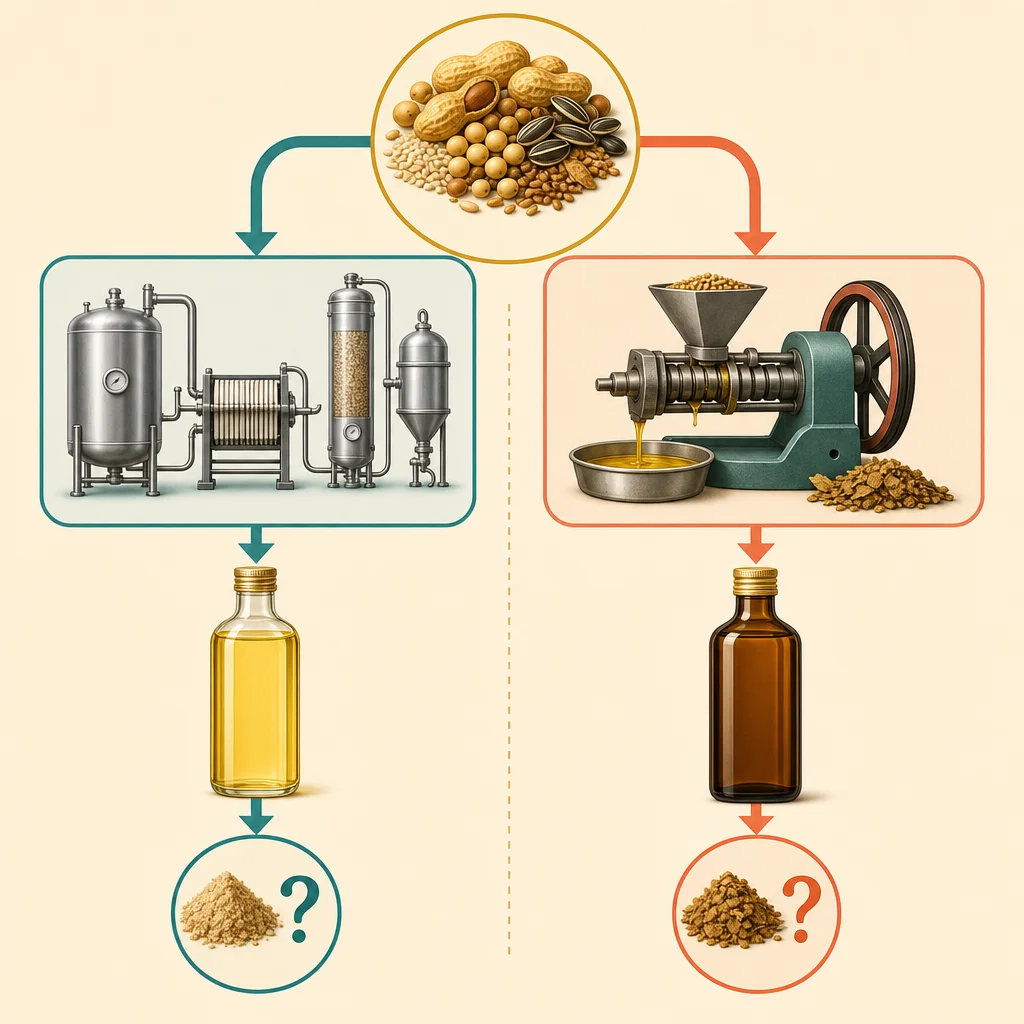
Commercial refining commonly includes steps such as degumming, neutralization, bleaching, filtration, and deodorization. These steps can remove protein along with other non-oil material. A highly refined oil can therefore present a different protein exposure from an unrefined, cold-pressed, expeller-pressed, or gourmet oil made with less intensive processing.

The words are not interchangeable:

Oil descriptionGeneral process clueLabel and allergy implication
Highly or fully refinedIntensive purification beyond pressingMay qualify for a specific legal allergen exemption, depending on country and source
Cold-pressedMechanical extraction with limited heatDo not assume the highly refined exemption or protein profile applies
Expeller-pressedMechanical pressure extracts the oilIt does not settle whether later refining occurred or the final oil qualifies as highly refined
Unrefined, virgin, gourmet, aromaticLess refining, often selected for source flavorSource proteins may be more relevant; follow the allergy plan and local declaration

Processing descriptions are still not laboratory results. A front label saying "pure" or "premium" does not tell you residual protein. If an allergy decision depends on the refining method and the package only says peanut oil or vegetable oil, ask the manufacturer for the exact current specification.

United States: A Broad Highly Refined Oil Exclusion

The U.S. major-food-allergen definition in 21 U.S.C. 321(qq) excludes any highly refined oil derived from a major food allergen and any ingredient derived from that highly refined oil.

That exclusion can cover highly refined peanut, soybean, or a regulated tree-nut oil. If the excluded oil is intentionally used, it still belongs in the ingredient list under the ordinary ingredient rules. What changes is the special major-allergen disclosure duty. The oil does not trigger Contains: Peanut, for example, solely because it began with peanut.

Cold-pressed, crude, or unrefined oil does not qualify merely because it is oil. Expeller-pressed describes an extraction step and does not, by itself, prove the oil was or was not highly refined afterward. If a package lists cold-pressed peanut oil, the source is not erased by the word oil.

U.S. ingredient-naming rules also generally require the specific common or usual name of each fat or oil. A label can sometimes use an umbrella term followed by source options, but the presentation still has to comply with the applicable rule. That ingredient-name question is separate from whether the source oil triggers the special major-allergen statement.

This narrow page does not replace the broader guides to peanut allergy labels, soy allergy ingredient names, or tree-nut allergy rules. Those pages own the overall allergy intents; this one owns the oil-processing exception.

European Union and United Kingdom: Source-Specific Exceptions

EU Regulation 1169/2011 lists regulated allergens and exceptions in Annex II. Its soybean entry excludes fully refined soybean oil and fat, along with certain other specified soybean derivatives.

The peanut entry does not contain a matching fully refined peanut-oil exception. The tree-nut entry also does not establish a general exemption for fully refined nut oils. A shopper should not transfer the soybean exception to peanut, almond, walnut, hazelnut, or another listed nut.

The United Kingdom's food-allergen framework retains the same basic Annex II structure. As a practical matter, a U.K. package can therefore treat fully refined soybean oil differently from peanut oil even when both oils have undergone extensive refining.

This is a regulatory disclosure distinction, not a claim that one person's allergy will follow a border. Clinical management stays individual.

Canada: Highly Refined Oil Is Excluded from the Allergen Definition

Canada's Food and Drug Regulations define a food allergen in a way that excludes any highly refined oil derived from a listed allergen source and any ingredient derived from that oil. The framework is broad like the U.S. exclusion rather than limited to one soybean-oil entry.

The CFIA allergen guidance explains how priority allergens and gluten sources must be declared and where exceptions apply. Imported products still need to be read under the rules of their Canadian package, not assumptions borrowed from a U.S. or EU label.

Australia and New Zealand: Fully Refined Soybean Oil Is the Key Exception

Australia and New Zealand: Fully Refined Soybean Oil Is the Key Exception

Australia and New Zealand share the Food Standards Code administered by FSANZ. Standard 1.2.3 and Schedule 9 set mandatory allergen declarations and specified exemptions.

The framework excludes fully refined soybean oil from the soybean declaration requirement. It does not turn that into a general exemption for all fully refined peanut and tree-nut oils. As in the EU, the exact source matters as much as the processing description.

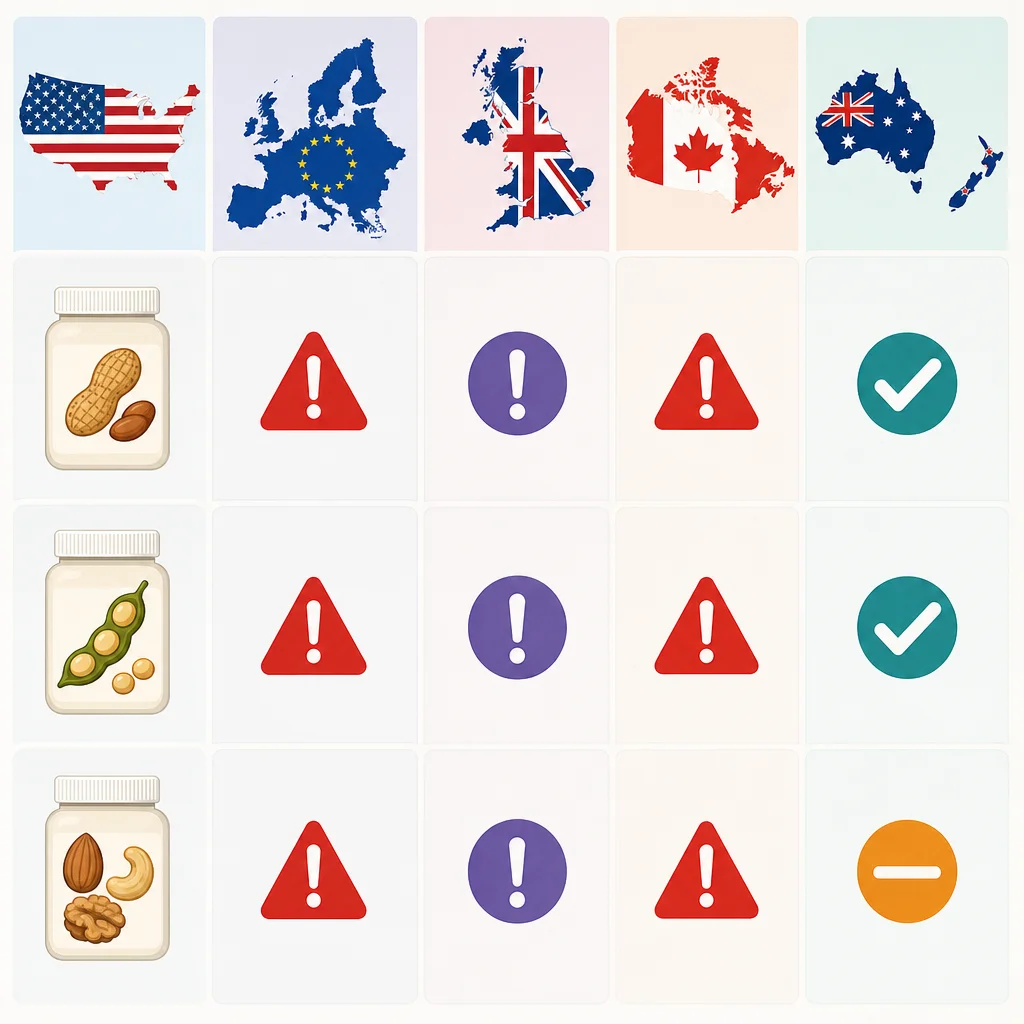
MarketHighly refined soybean oilHighly refined peanut or tree-nut oil
United StatesBroad highly refined oil exclusion can applyBroad highly refined oil exclusion can apply
CanadaBroad highly refined oil exclusion can applyBroad highly refined oil exclusion can apply
EU and U.K.Fully refined soybean oil is specifically exemptedNo equivalent blanket oil exemption in the peanut or nut entries
Australia and New ZealandFully refined soybean oil is specifically exemptedDo not assume the soybean exception applies

This table summarizes special allergen-disclosure treatment. It does not say whether the ingredient must appear in the ordinary ingredient list, whether a voluntary precautionary statement will appear, or what an allergist recommends for one person.

Recipes sold under the same brand can differ across markets. A U.S. package that omits a peanut Contains statement for highly refined peanut oil does not predict how an EU version will present that oil. Always verify the market-specific label in hand.

What Clinical Evidence Can Safely Tell Us

A frequently cited randomized, double-blind crossover study published in the BMJ challenged 60 people with peanut allergy using refined peanut oil and crude peanut oil. None reacted to the refined oil, while six reacted to the crude oil. The study supports a real processing distinction, but it does not establish that every oil sold as refined has identical residual protein or that every individual should change an avoidance plan.

Clinical organizations generally distinguish crude or less-refined peanut oils from highly refined oil. Advice about a specific product can differ based on complete processing history, allergy history, severity, local practice, and clinician judgment.

Do not use a packaged food as a home challenge. If the person's written plan says to avoid all source oils, follow it until their allergist says otherwise. Label-law exemptions describe required disclosure, not personalized permission to eat.

Ingredient Names Worth Slowing Down For

Look for both source and process terms:

  • peanut oil, groundnut oil, arachis oil
  • refined peanut oil or highly refined peanut oil
  • soybean oil, soya oil, vegetable oil (soybean)
  • fully refined soybean oil or soybean fat
  • almond, walnut, hazelnut, cashew, pistachio, or other named nut oil
  • cold-pressed, expeller-pressed, extruded, virgin, gourmet, or unrefined
  • generic vegetable oil with a parenthetical source list

An ordinary oil name may be enough for ingredient declaration while leaving the refining process unstated. A missing Contains statement can reflect a lawful highly refined oil exclusion rather than an oil-free recipe.

A Practical Allergy-Oil Checklist

  1. Identify the botanical source. Peanut, soybean, and each tree nut have separate relevance.
  2. Find the process wording. Highly refined is different from cold-pressed or expeller-pressed.
  3. Apply the package's jurisdiction. U.S. and Canadian exclusions are broader than the EU, U.K., and Australia/New Zealand soybean-specific exceptions.
  4. Read the full ingredient list. A special allergen declaration is not a complete ingredient inventory.
  5. Treat generic terms as unresolved. Ask which oils and refining process were used when that changes the decision.
  6. Follow the individual allergy plan. Regulatory exemptions do not replace clinical advice.
  7. Recheck reformulations. Oil sources and supplier specifications can change.

The IngrediCheck food allergy scanner can help flag oil-source and processing words against saved rules while you shop. It cannot measure residual protein or decide whether a refined oil is appropriate for a diagnosed allergy.

Refined-oil labels make sense only when source, process, country, and personal allergy advice stay separate. Check all four before treating an exemption as an answer.

Frequently Asked Questions

Does highly refined peanut oil have to be labeled as a peanut allergen in the U.S.?

U.S. major-allergen law excludes highly refined oil derived from a major food allergen, and ingredients derived from that oil, from the statutory major-allergen definition. The oil still appears as an ingredient when intentionally used, but the special peanut-allergen disclosure is not triggered by the excluded oil alone.

Is cold-pressed peanut oil treated like highly refined peanut oil?

No. Cold-pressed and unrefined oils do not qualify merely because they are oils. Expeller-pressed describes extraction, not necessarily the complete refining history, so the final process must establish whether an oil is highly refined.

Does the EU exempt every fully refined allergenic oil?

No. EU Annex II specifically exempts fully refined soybean oil and fat from the soybean entry, but it does not create the same broad exemption for peanut oil or every tree-nut oil.

Can someone with an allergy decide whether to eat refined oil from the label alone?

Not always. The label can identify the source and sometimes the processing description, but individual advice and manufacturing details may still matter. Follow the person's allergy plan and ask the manufacturer when the refining status is unclear.

Next Label Check

Follow the scanner, hub, and ingredient paths connected to this guide

Get the app for clearer label decisions.

Scan labels, see what fits your food notes, and read the why in plain English.

IngrediCheck app