People avoiding corn derivatives
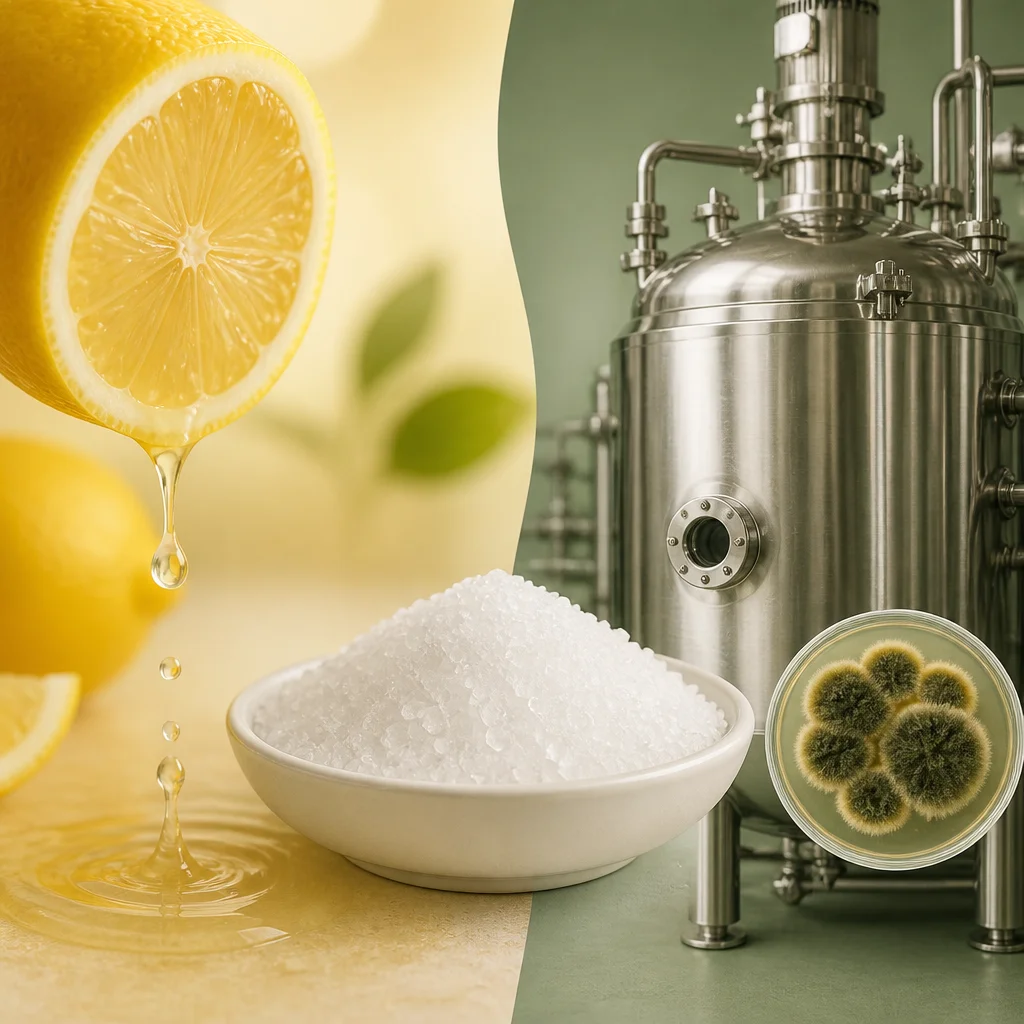
This is the most practical label issue. Citric acid can be fermented from corn-derived glucose, and the label will not tell you whether it was. Corn is not one of the nine major food allergens U.S. law requires labels to declare (milk, eggs, fish, crustacean shellfish, tree nuts, peanuts, wheat, soybeans, and sesame), so there is no "Contains: corn" warning to rely on.
Whether highly purified citric acid carries enough corn protein to matter is not well established in the research literature, and individual tolerance varies. Some people in the corn-allergy community report reacting to corn derivatives, citric acid included. If you strictly avoid corn derivatives, treat citric acid, along with dextrose, maltodextrin, and ascorbic acid, as "ask the manufacturer" ingredients. Our guide to every name corn syrup hides under and the corn-free food scanner page cover the wider list.
People with mold sensitivity
A. niger is a recognized respiratory allergen when its spores are inhaled. A long-term follow-up of workers at a citric acid fermentation plant documented occupational asthma before better enclosure and ventilation were installed. That is a workplace inhalation risk, not proof that eating purified citric acid exposes you to mold. Still, people with significant mold allergy who suspect a food pattern sometimes choose to limit manufactured citric acid while they investigate with an allergist.
People concerned about tooth enamel
This concern is well supported. The American Dental Association identifies frequent consumption of soft drinks, sports drinks, and acidic fruit juices as a primary risk factor for dental erosion. Citric acid is especially relevant because it both dissolves enamel and binds calcium. In a laboratory study in the Journal of Oral Rehabilitation, citric acid caused far more erosion of enamel and dentine than phosphoric acid across the pH range tested.
The dose that matters here is frequency of contact, not a single serving. Sipping a citrus soda or sports drink over hours, or sucking on sour candy, keeps teeth bathed in acid. The ADA suggests avoiding dietary acids between meals, rinsing with water after acidic drinks or candy, and rinsing rather than brushing right away.
People with acid reflux
The NIDDK lists acidic foods such as citrus fruits and tomatoes among foods commonly linked to GERD symptoms. There is little research on added citric acid specifically, and current gastroenterology guidance favors avoiding personal trigger foods rather than blanket elimination. If acidic drinks reliably cause heartburn for you, citric acid is one of the clues on the label that a drink is formulated to be sharply acidic.
People limiting sodium
Sodium citrate (E331) is a salt, not an acidulant. It is used as a buffer and as an emulsifying salt in processed cheese. Sodium citrate dihydrate is about 23% sodium by weight, or roughly 235 mg of sodium per gram, so it adds to the sodium total in sports drinks, cheese slices, and some sauces.